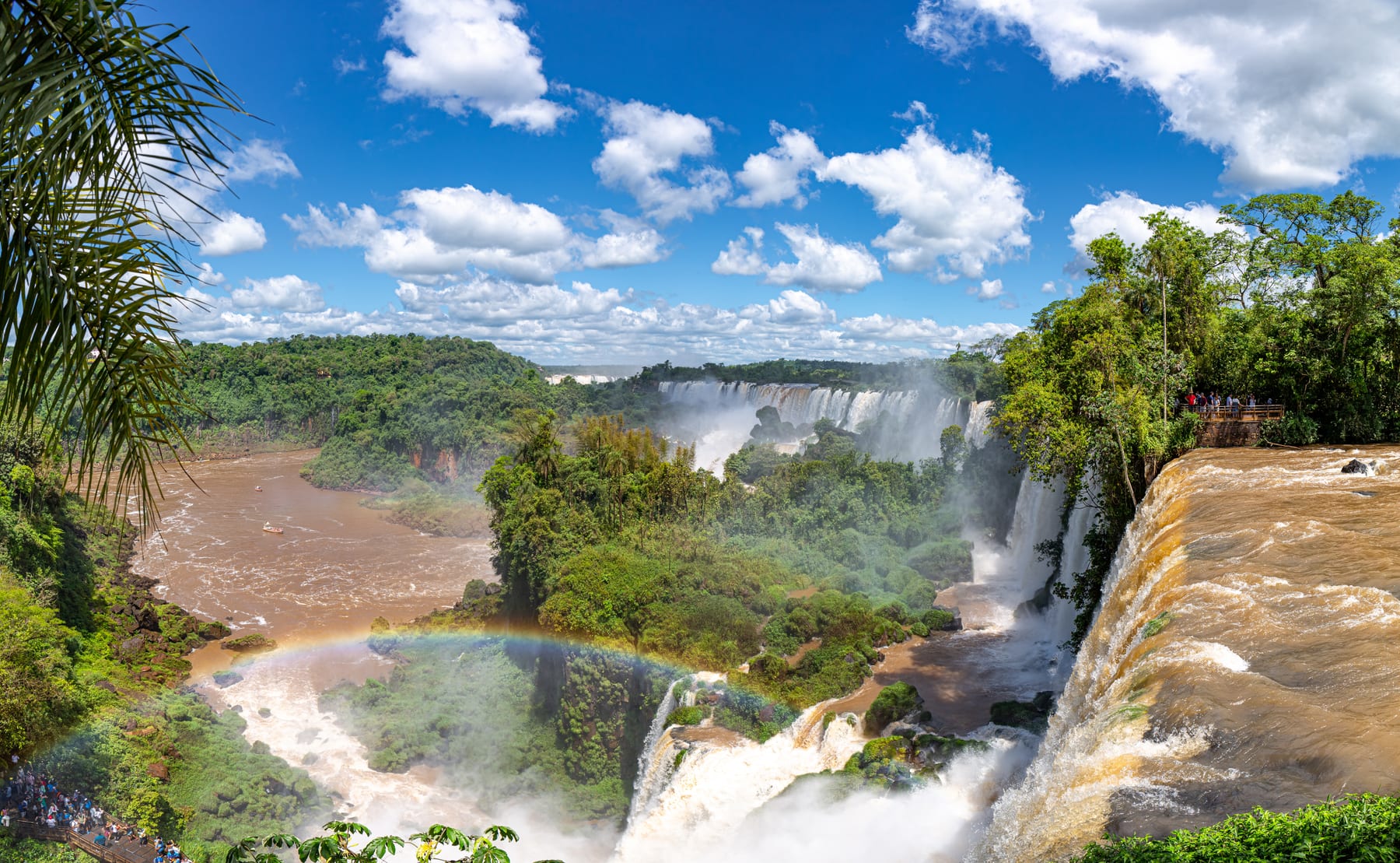
Iguassu Falls is widely considered one of the greatest natural wonders of South America and, for many travelers, the most beautiful waterfalls on Earth.
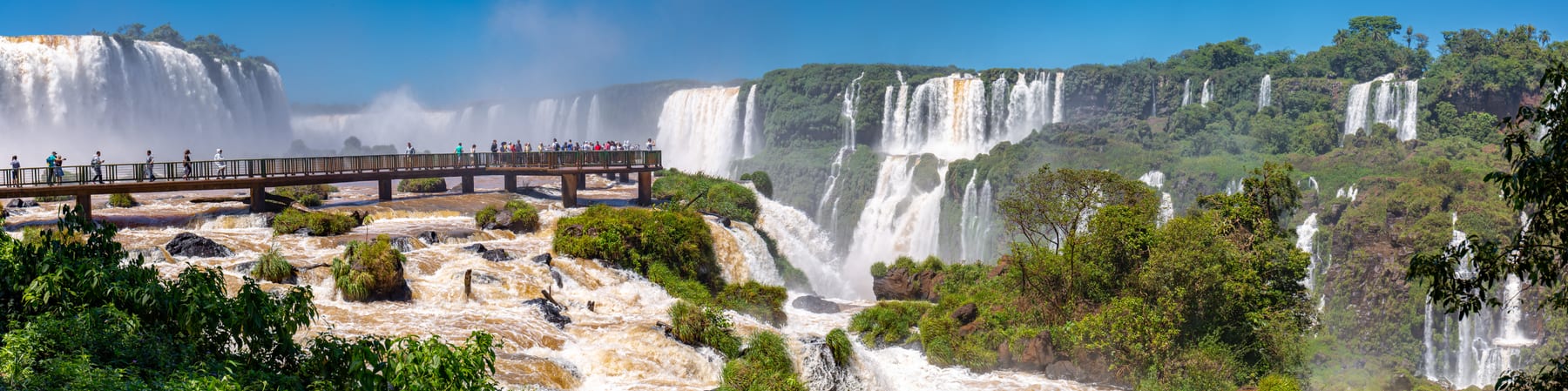
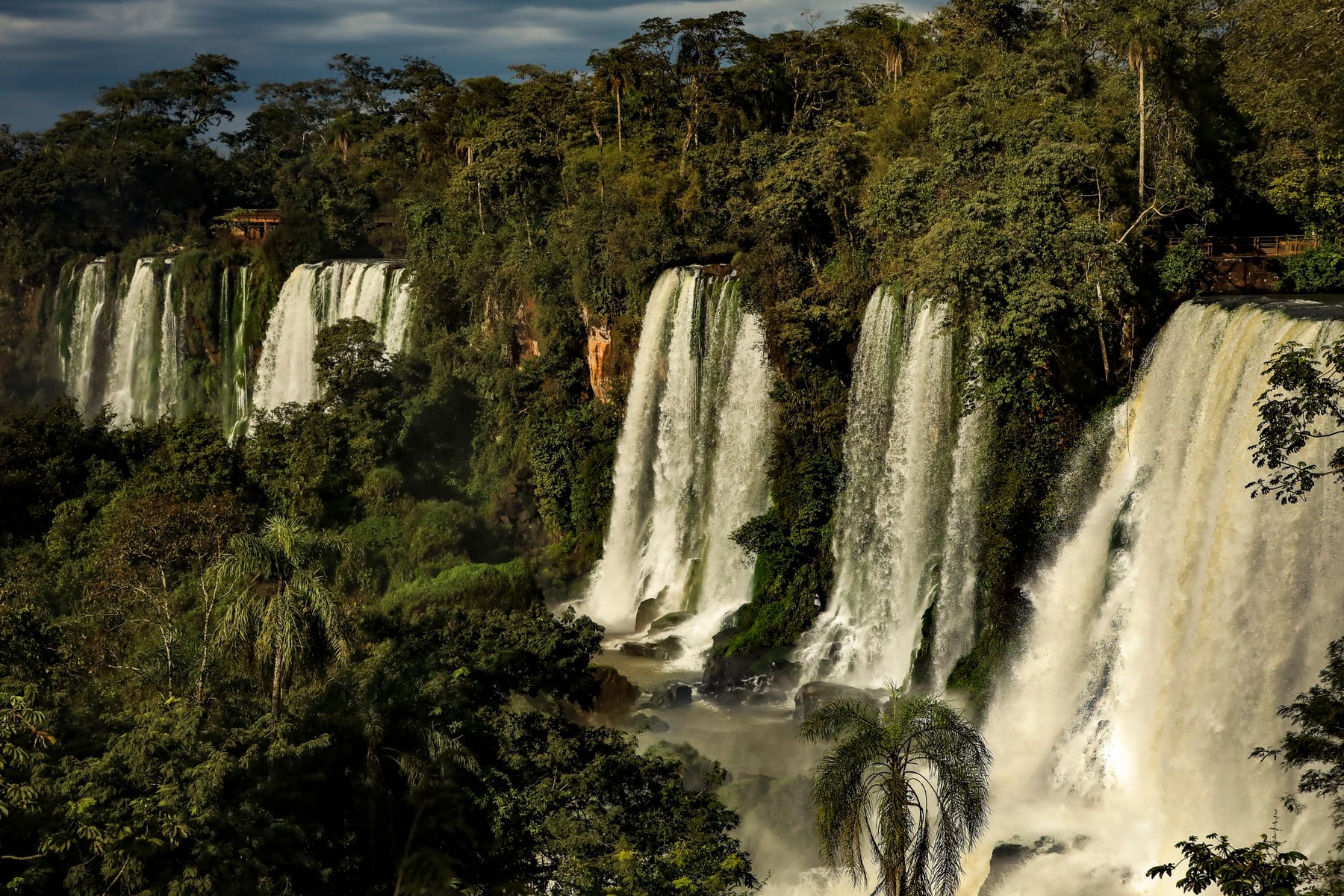
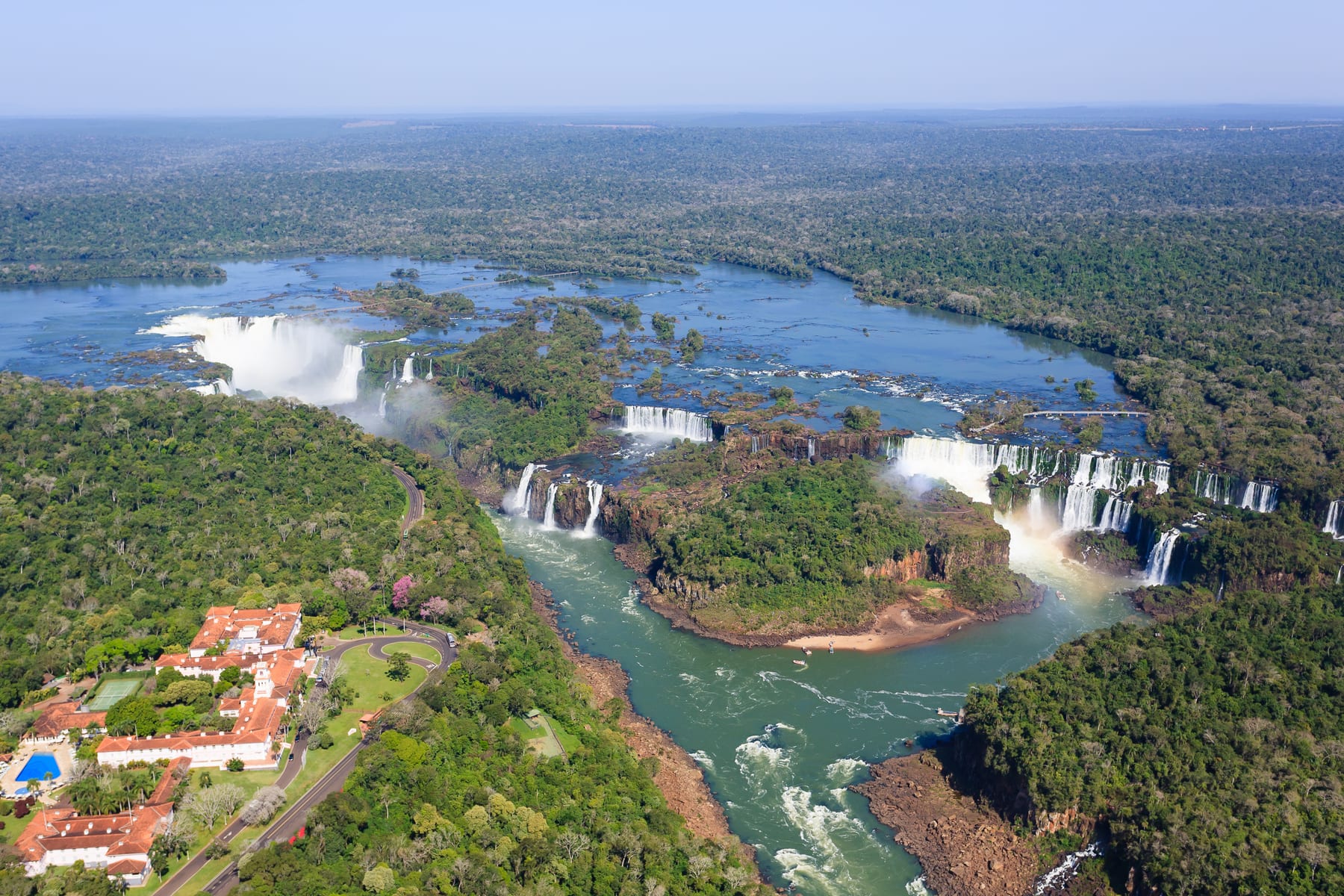
Stretching nearly 2,700 meters across the border between Brazil and Argentina, Iguassu is more than twice as wide as Niagara Falls and surrounded by an unbroken expanse of subtropical rainforest protected within two magnificent national parks. Unlike many famous waterfalls around the world, the scenery here remains overwhelmingly natural, creating an experience where dramatic landscapes and abundant wildlife coexist in perfect harmony.
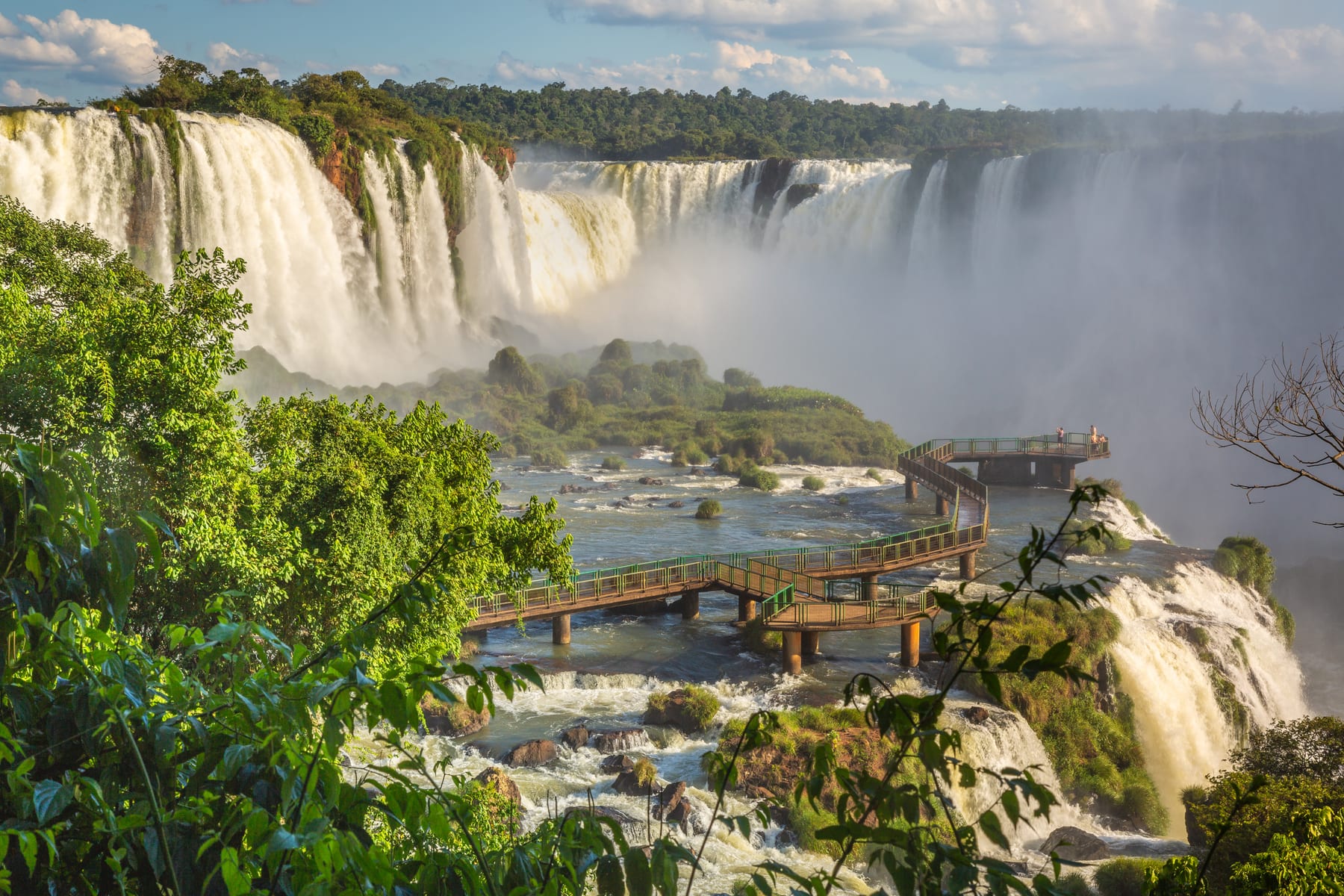
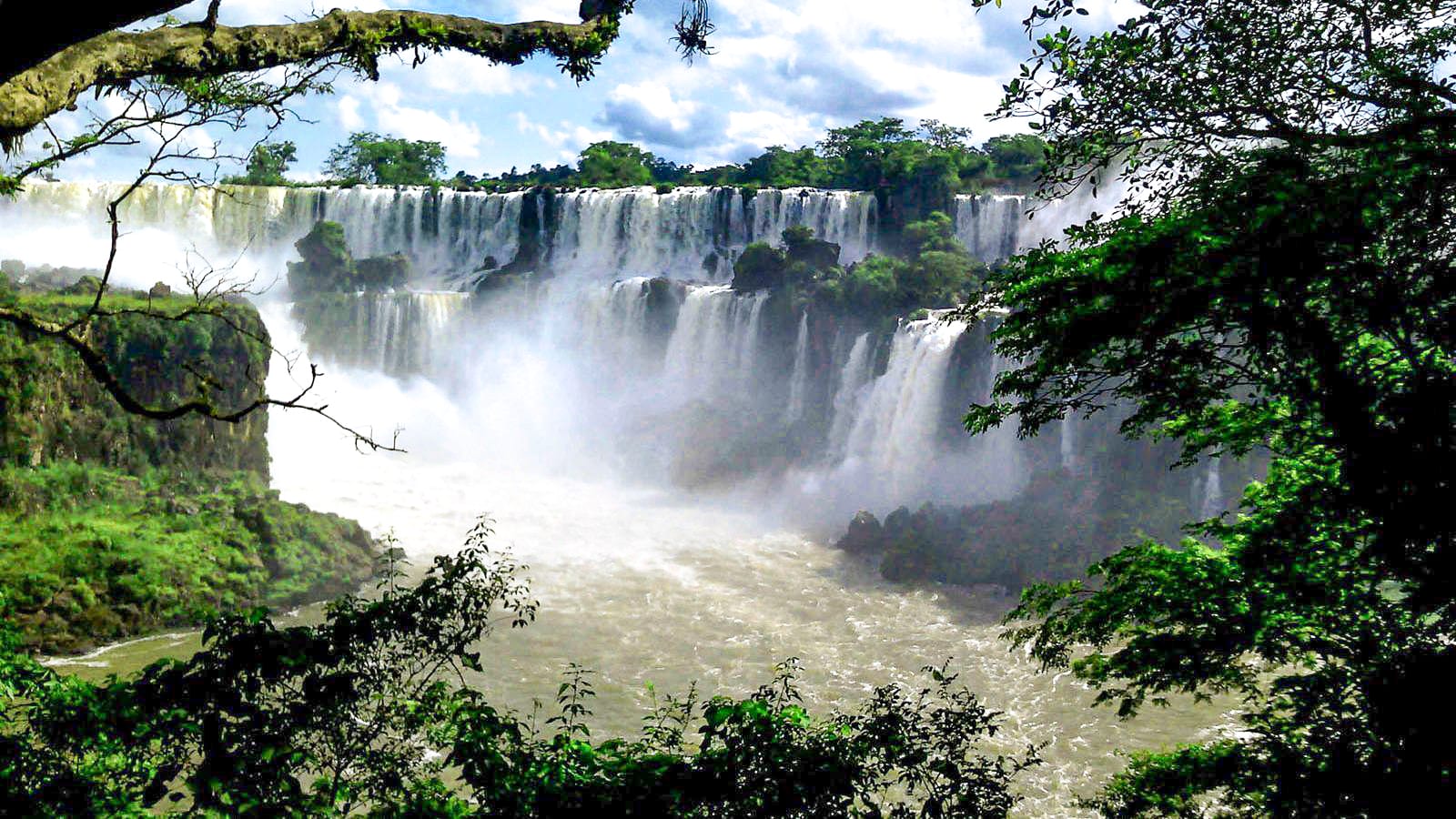
The falls themselves consist of hundreds of individual cascades spread across a vast horseshoe-shaped escarpment. While many sections plunge more than 60 meters, the most dramatic drop, known as the Devil’s Throat, descends 82 meters into a roaring canyon of mist and rainbows.
Because the falls form the international border between Brazil and Argentina, visitors can easily experience both perspectives by crossing from Brazil to Argentina. The Brazilian side offers sweeping panoramic views of the entire waterfall system, while the Argentine side provides intimate access to walkways and trails that lead directly above and alongside the cascades.
The beauty of Iguassu can be enjoyed at all times of year, making it one of South America’s most versatile destinations.
Beyond the Waterfalls
While the waterfalls are the main attraction, many travelers overlook one of Iguassu’s greatest treasures: its remarkable wildlife.
The surrounding Atlantic Forest is one of the most biodiverse ecosystems in South America and provides outstanding opportunities for wildlife observation and photography.
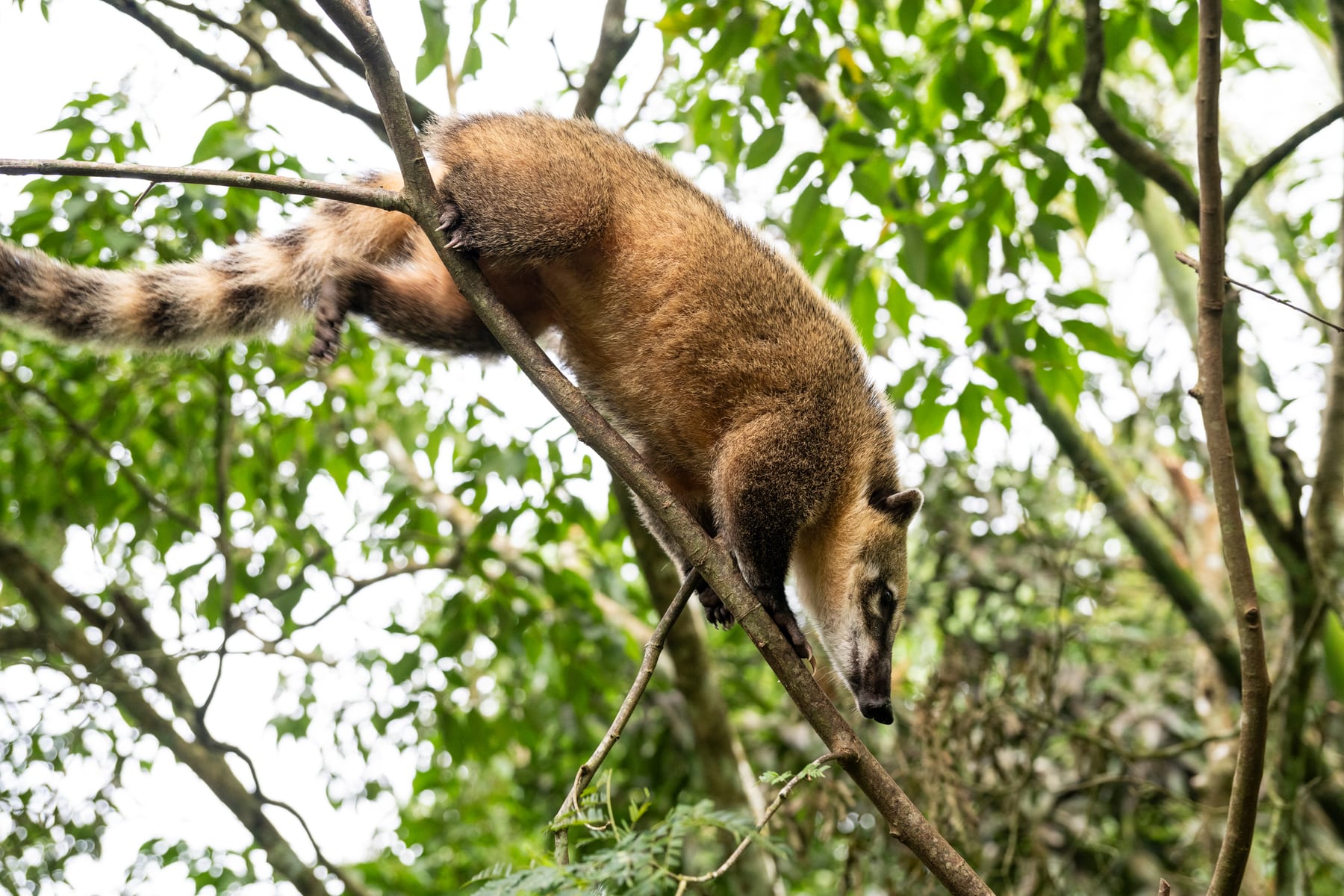
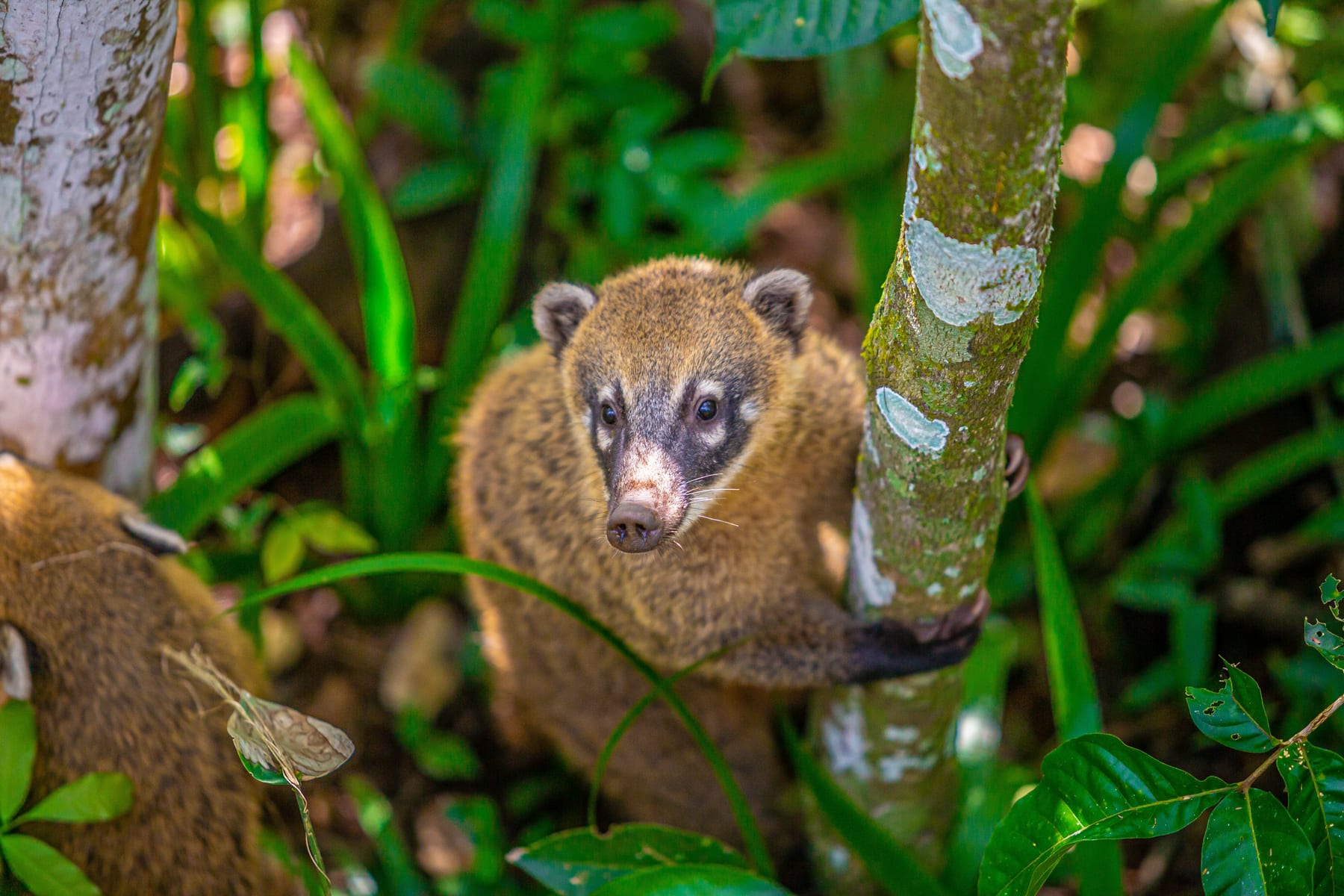
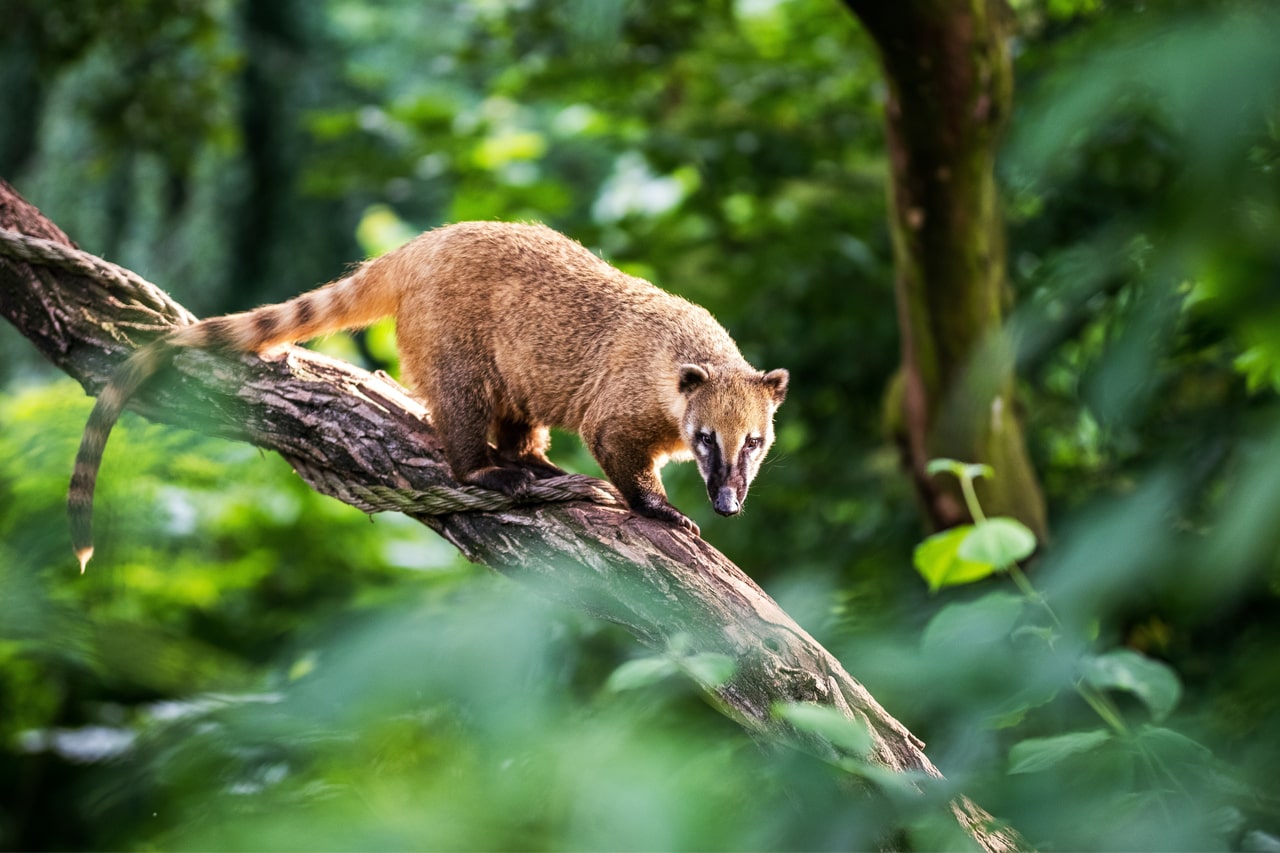
Among the most charismatic residents are the wild Coatis, intelligent and highly photogenic mammals that look like “stretched out raccoons” and that forage openly throughout the forest. Although extremely tame around people, capturing compelling images of Coatis behaving naturally requires local knowledge and careful positioning, something SouthWild’s guides specialize in providing.
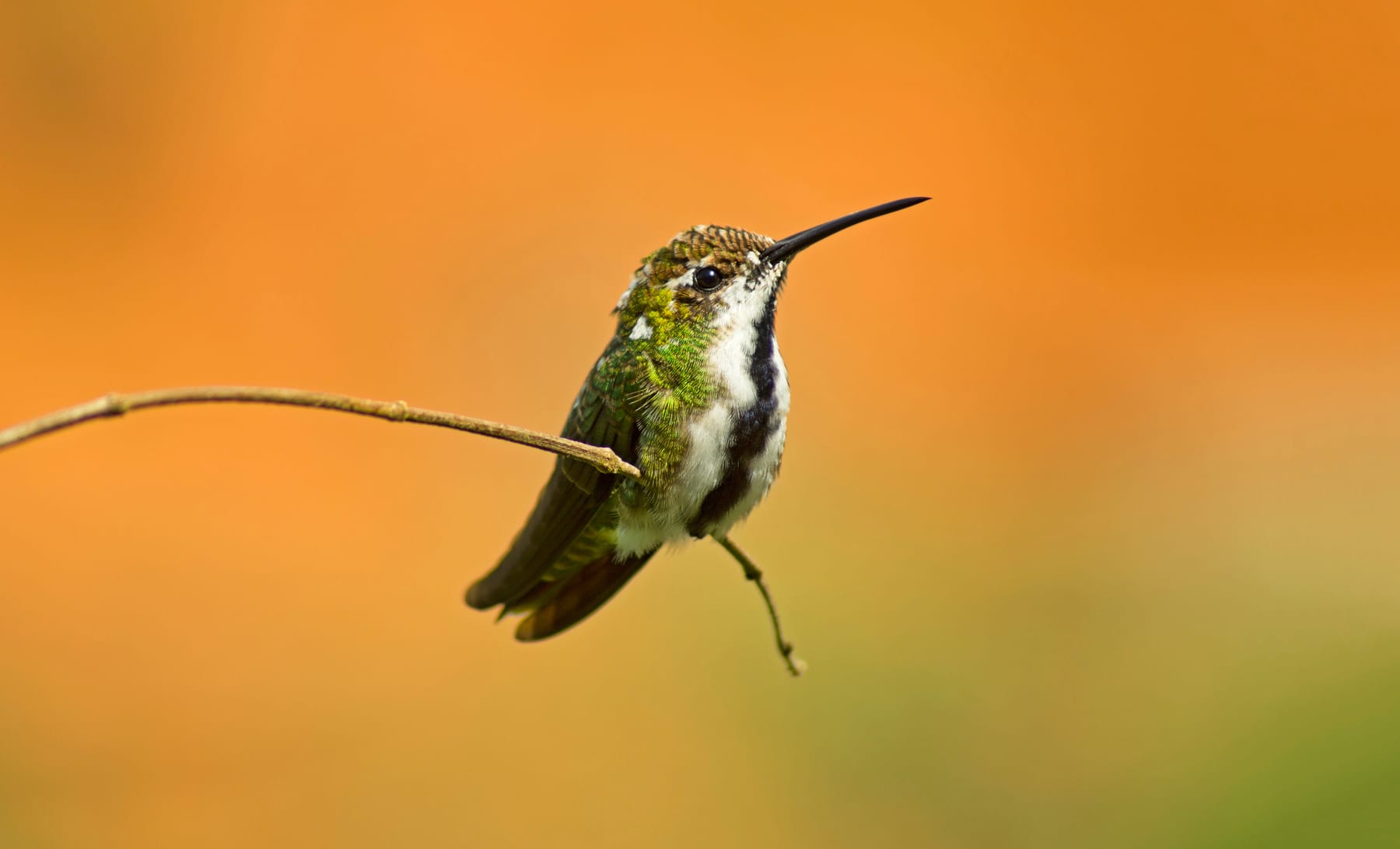
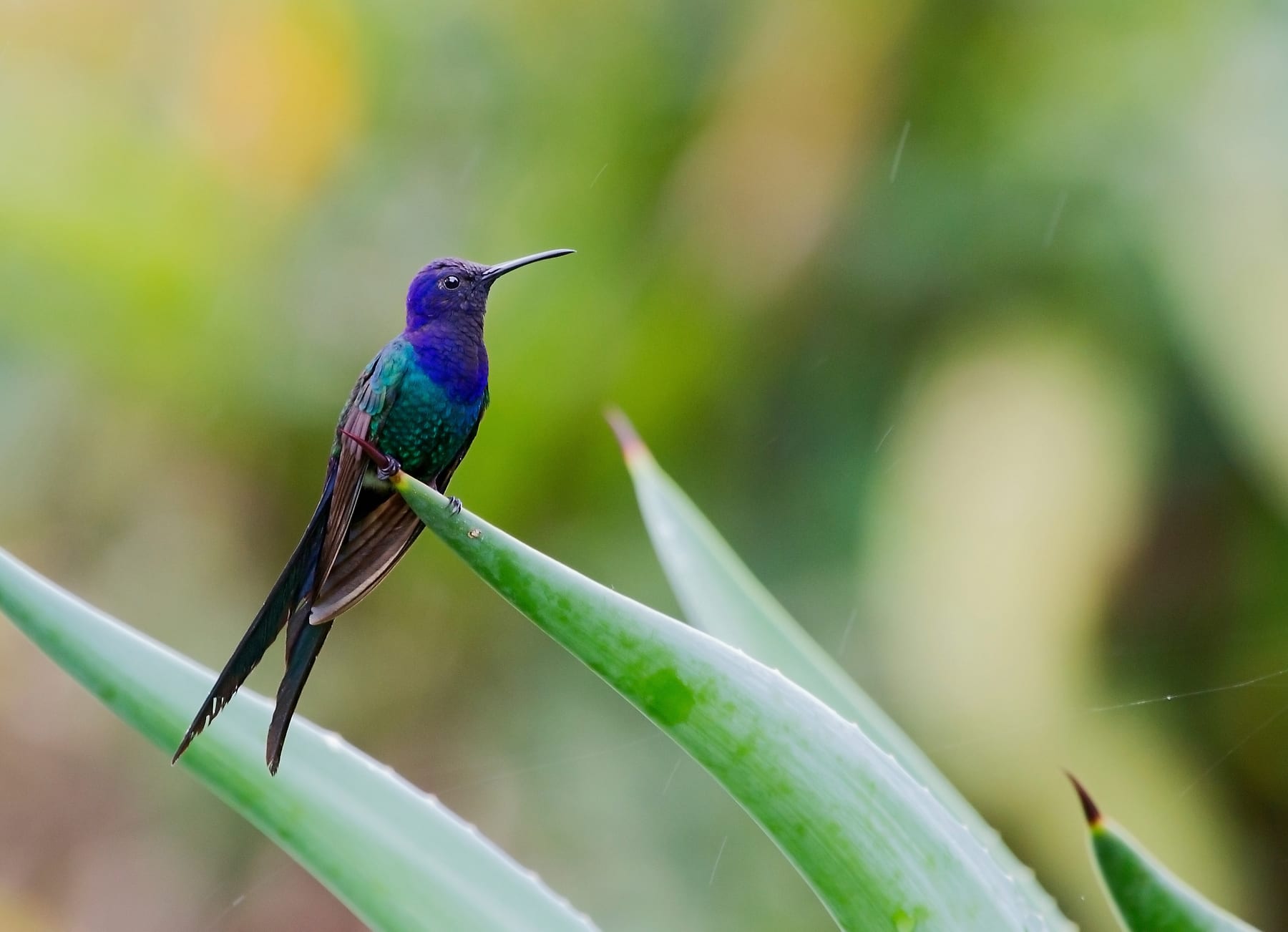
Another hidden highlight is Iguassu’s extraordinary hummingbird spectacle. At carefully selected locations, guests can observe up to nine species of hummingbirds at incredibly close range, creating one of the finest hummingbird photography opportunities in South America. Most people who tell us that they do not need our help in order to enjoy the falls end up missing both the best photo ops of Coatis and the hummingbird spectacle.
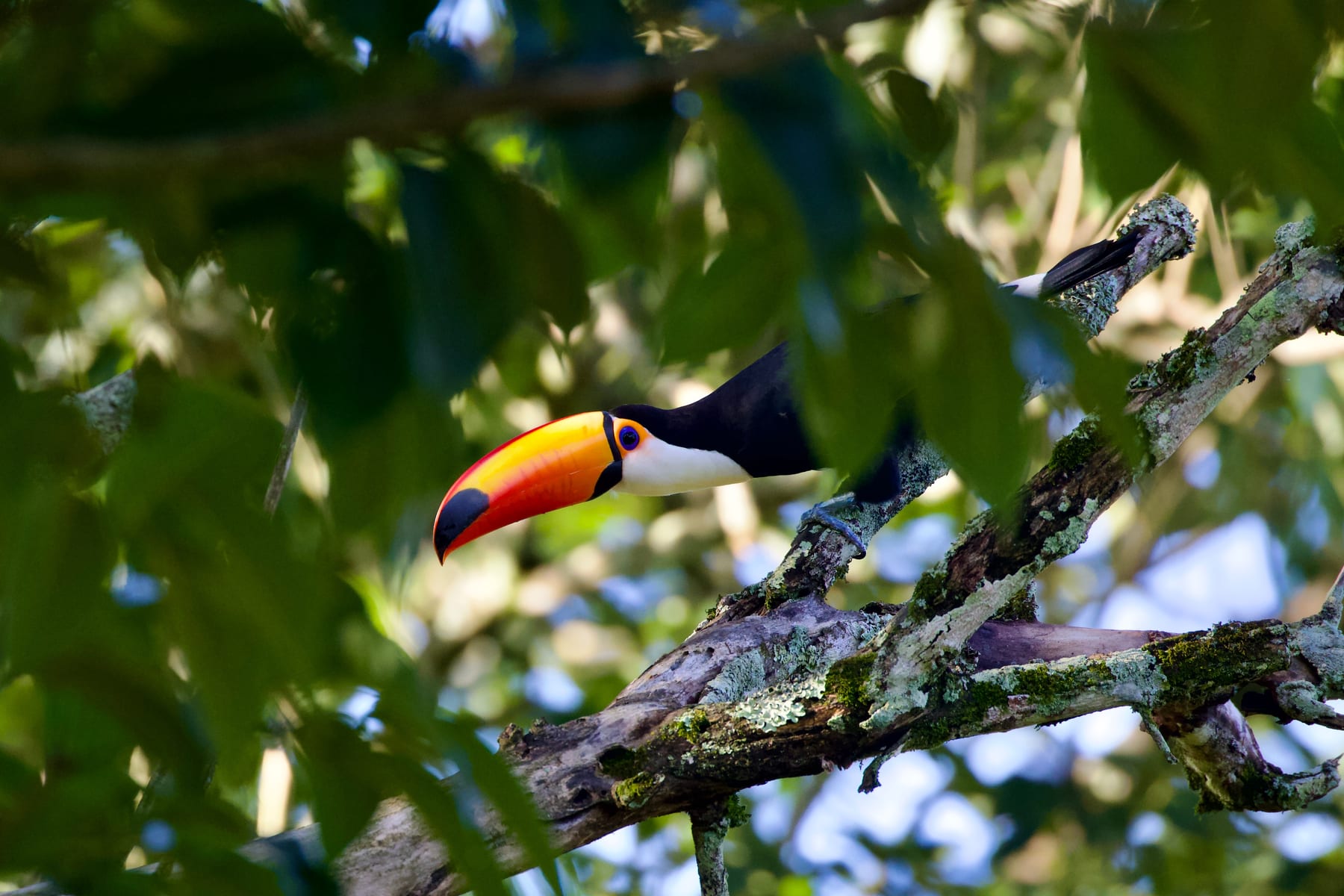
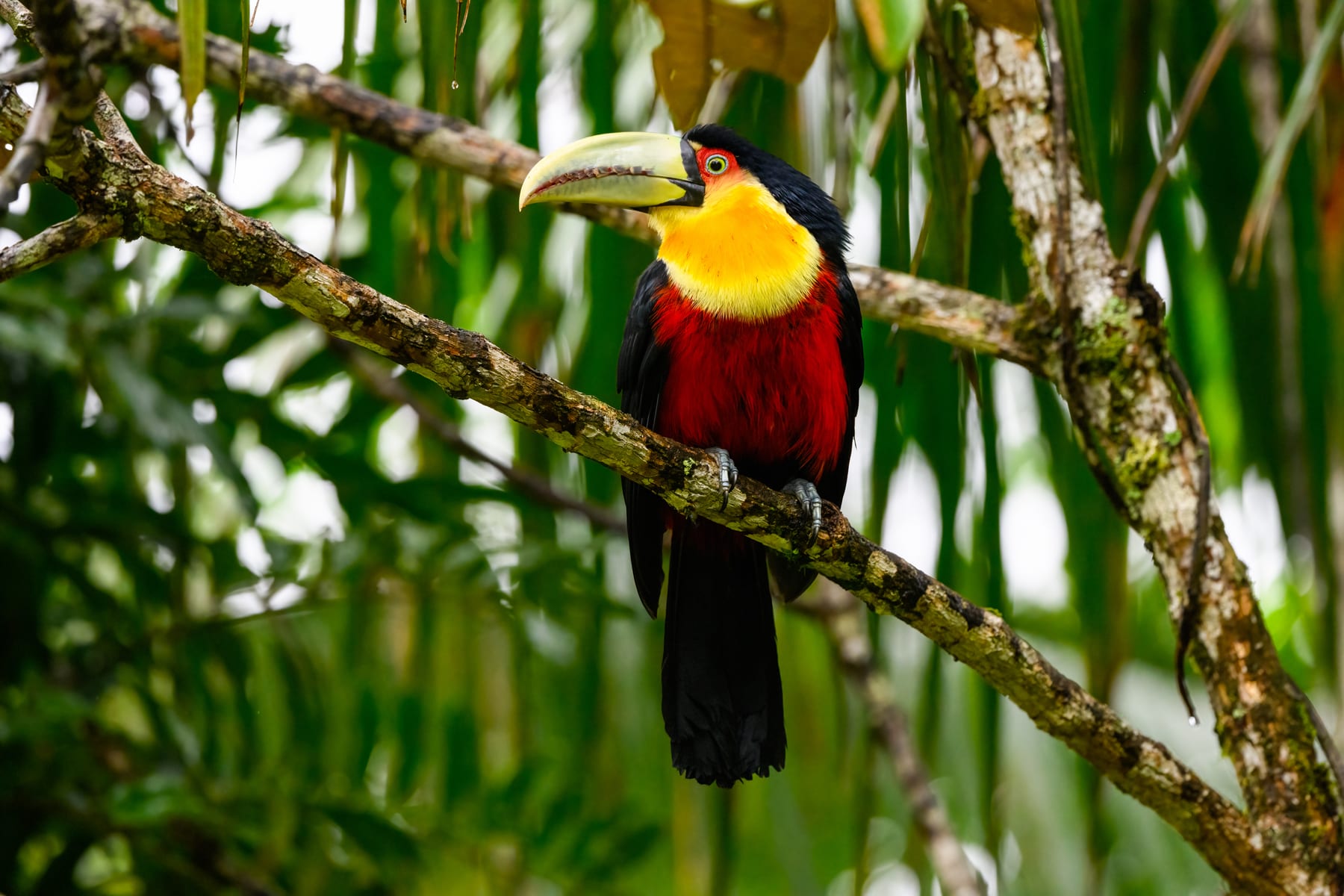
Bird enthusiasts will also appreciate encounters with two of the world’s most iconic toucans:
- The magnificent Toco Toucan, with its enormous orange bill
- The elegant Red-breasted Toucan, one of the jewels of the Atlantic Forest
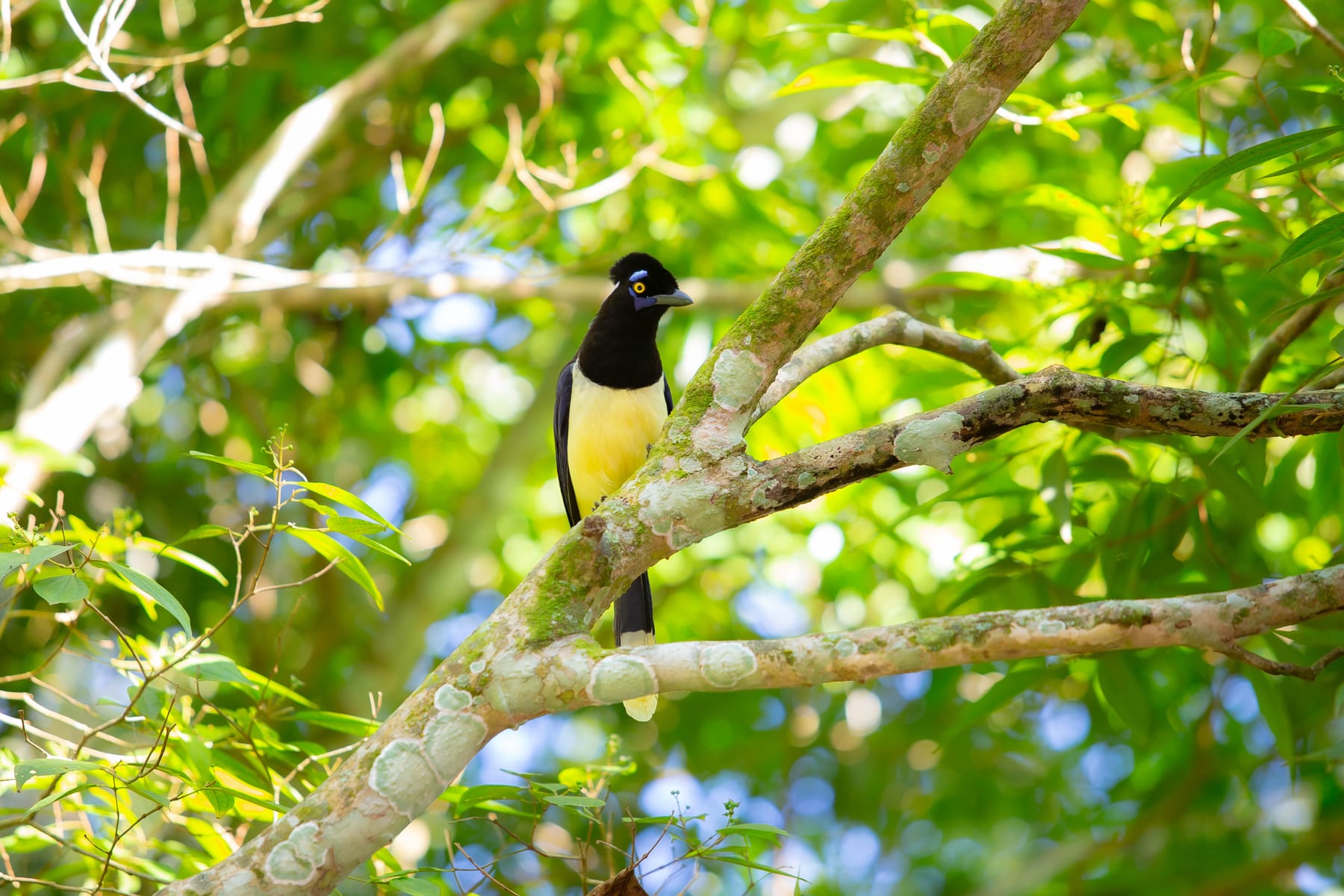
These species, together with colorful tanagers, parrots, and other rainforest birds, transform Iguassu into far more than simply a waterfall destination.
A Perfect Three-Day Experience
While two days are generally sufficient to explore the most spectacular viewpoints and trails around the falls, SouthWild strongly recommends dedicating a third day to wildlife viewing and photography.
This additional time reveals a side of Iguassu that many visitors never experience, intimate encounters with some of the Atlantic Forest’s most beautiful species, guided by specialists who know where and when wildlife activity is at its best.
Comfort, Nature, and Spectacle
Iguassu offers accommodations ranging from excellent rainforest lodges to some of South America’s most luxurious hotels, allowing guests to combine world-class comfort with one of the continent’s greatest natural spectacles.
Whether included as part of a Brazil, Argentina, or broader South American itinerary, Iguassu Falls remains one of those rare destinations that “exceeds even the highest expectations”, a place where extraordinary scenery, abundant wildlife, and pristine rainforest come together in unforgettable fashion.