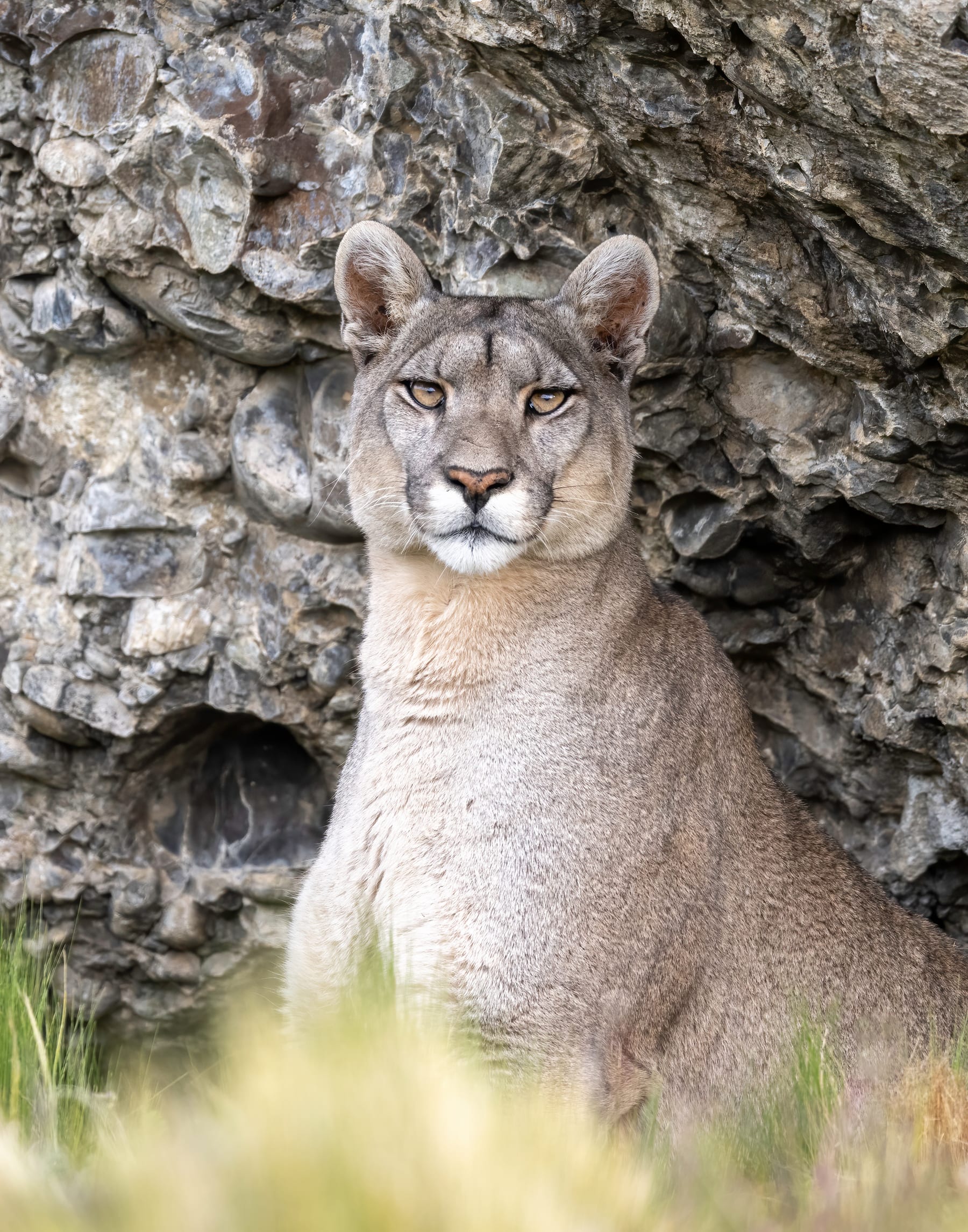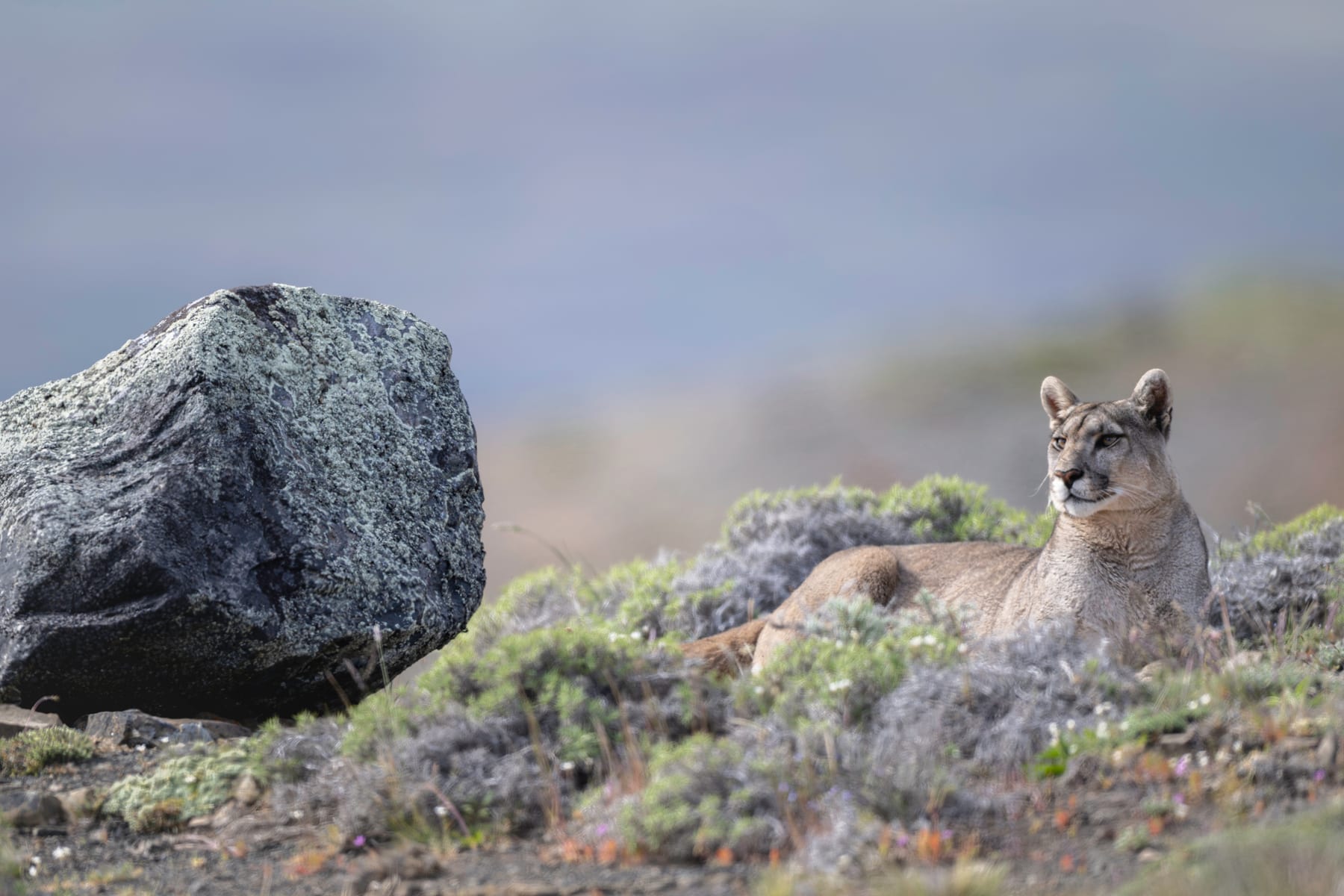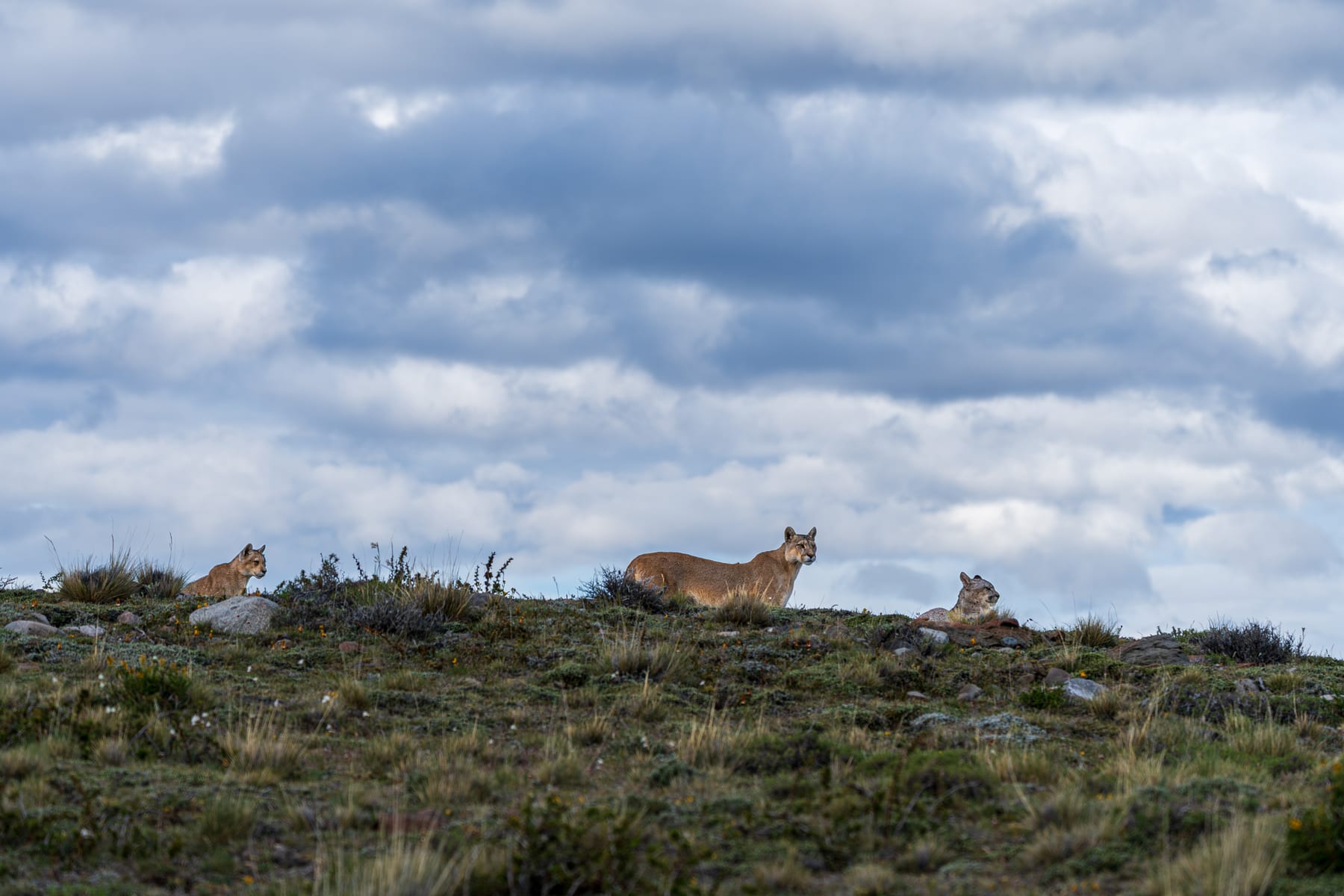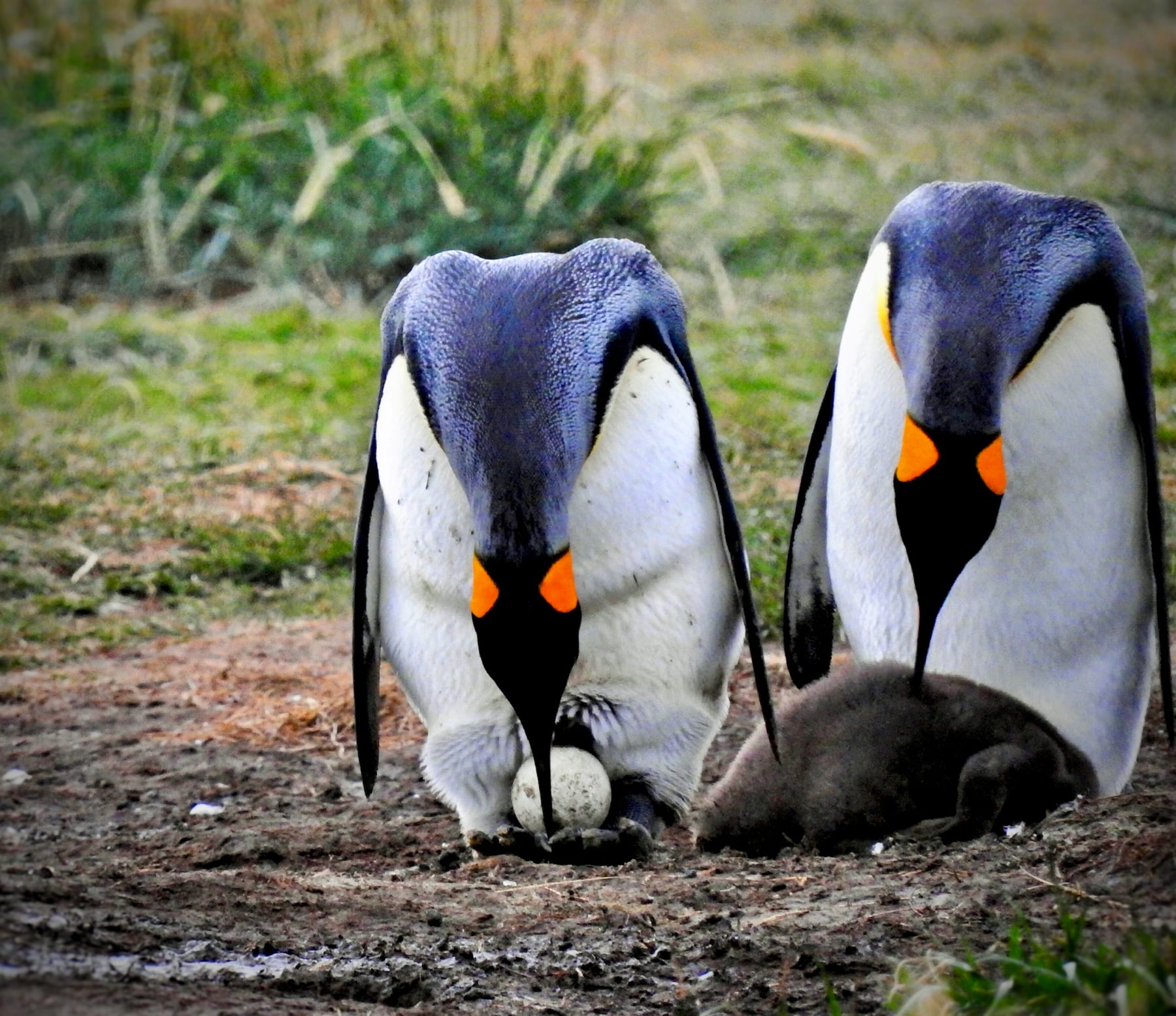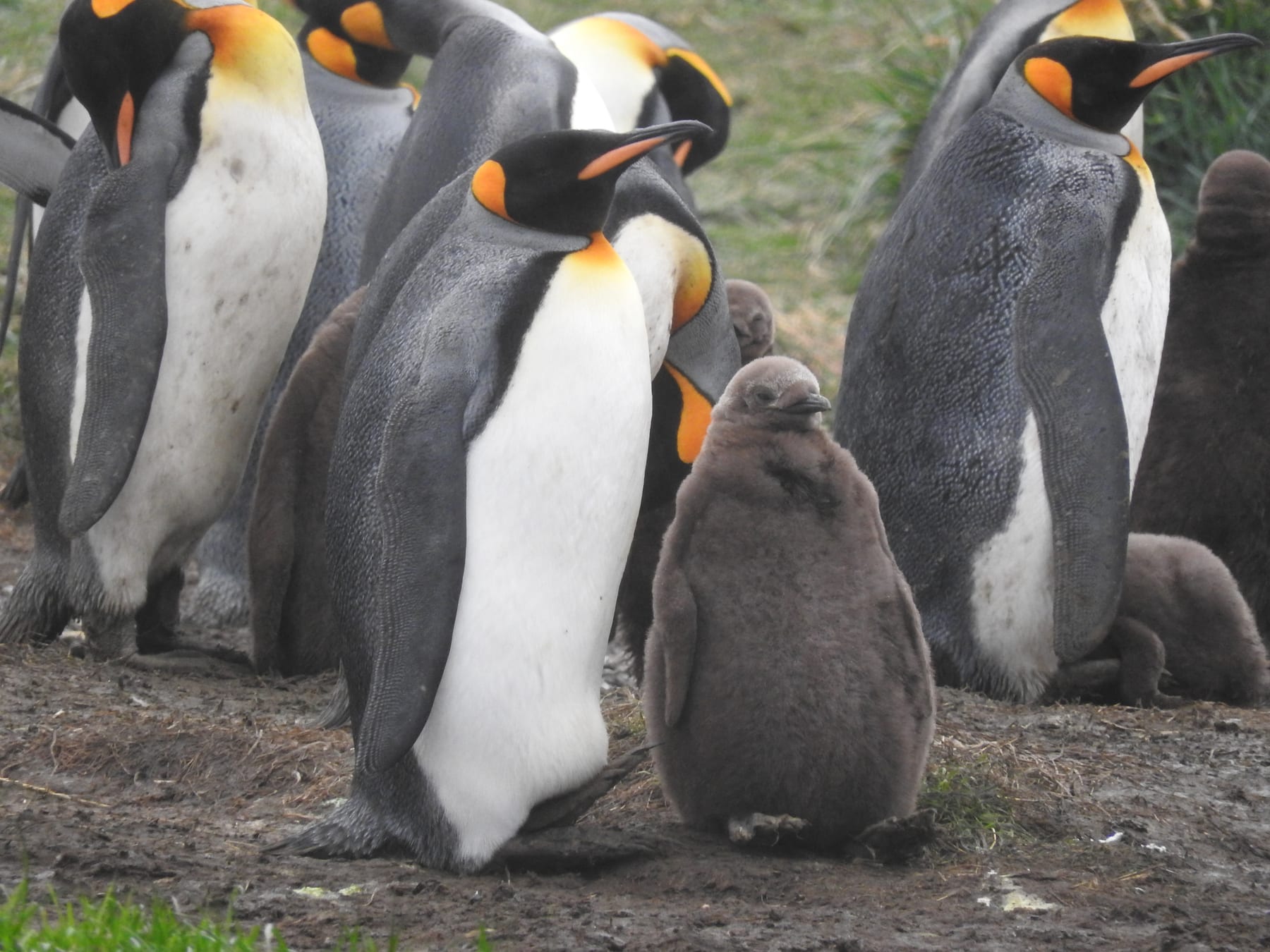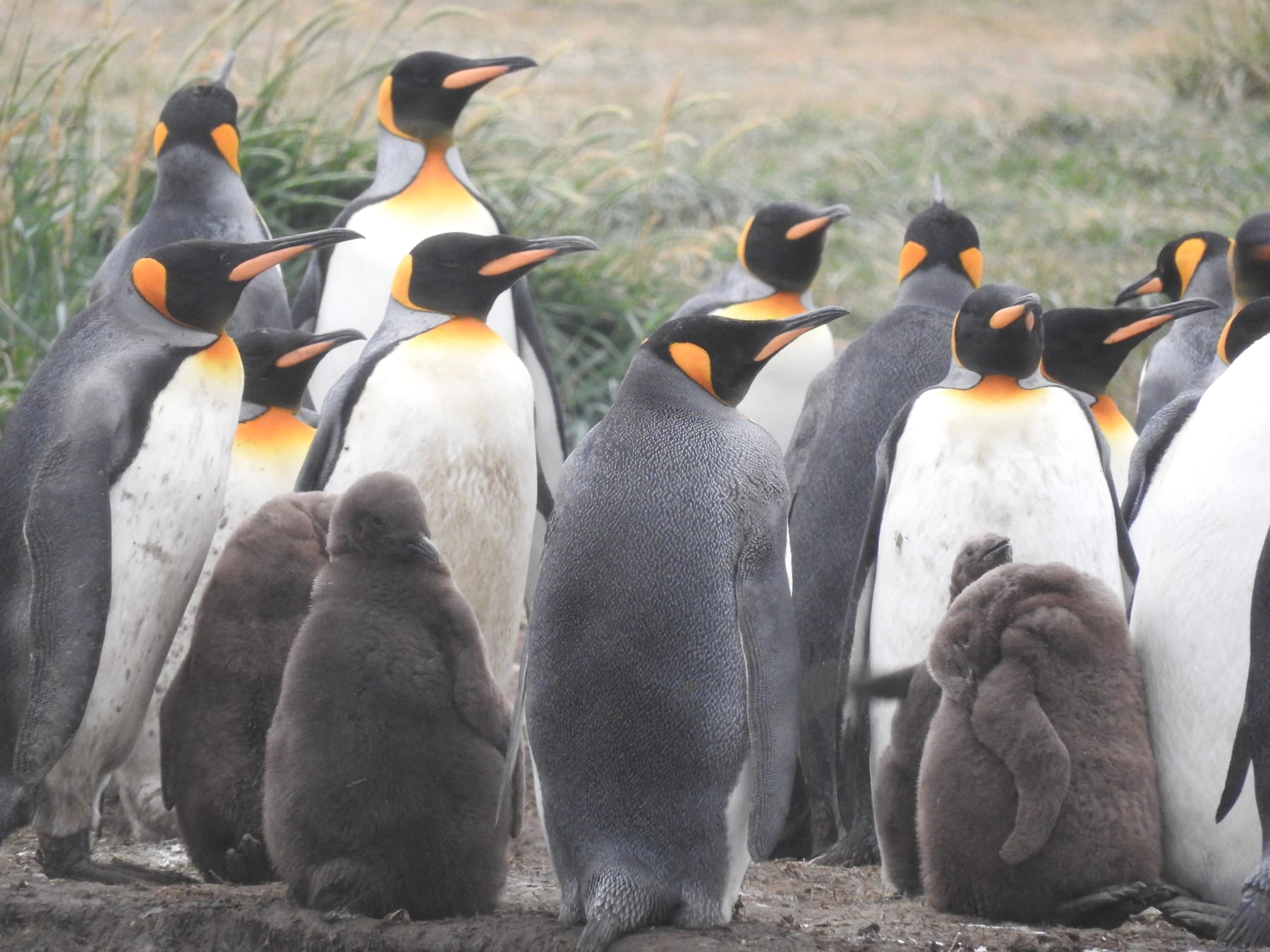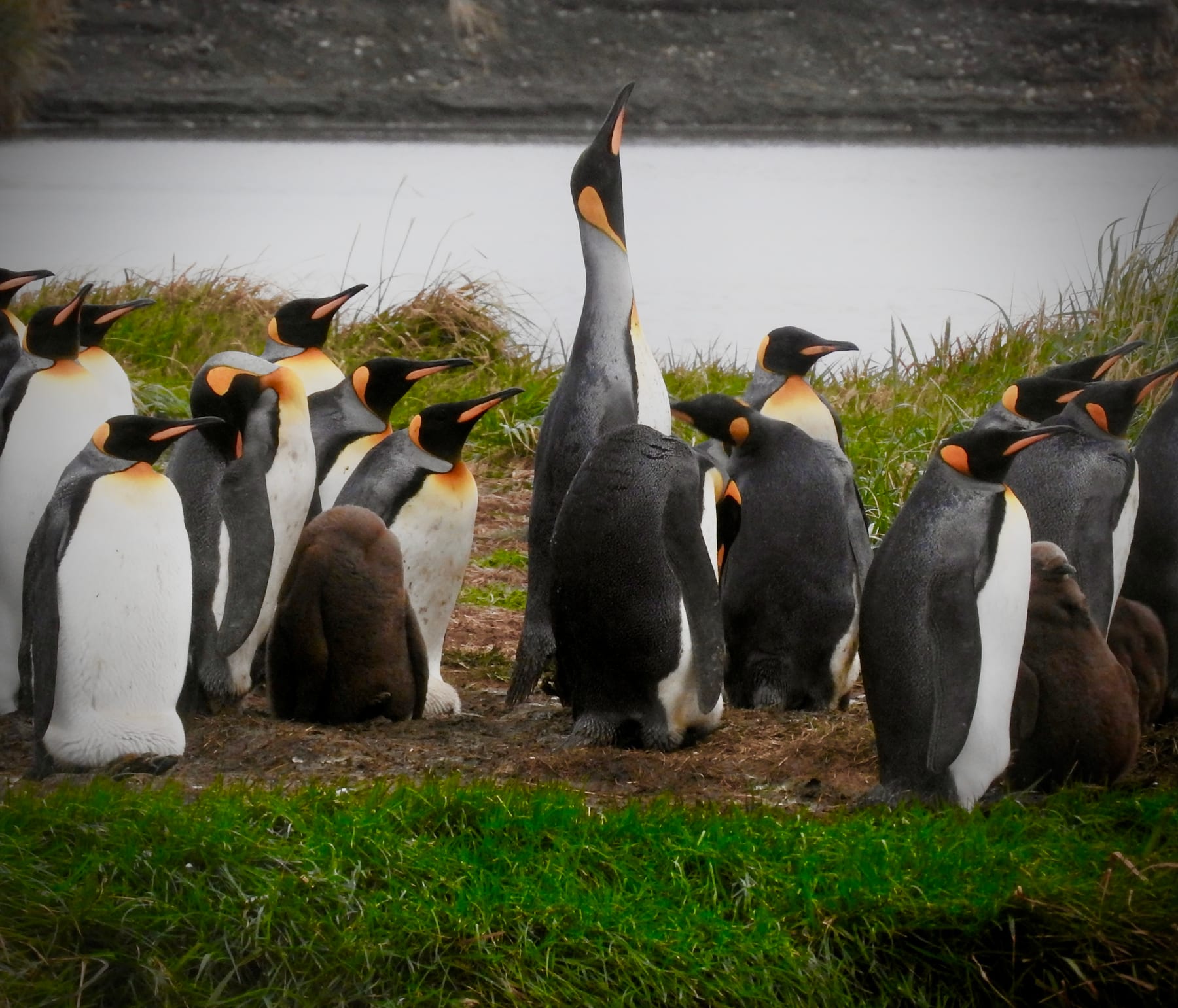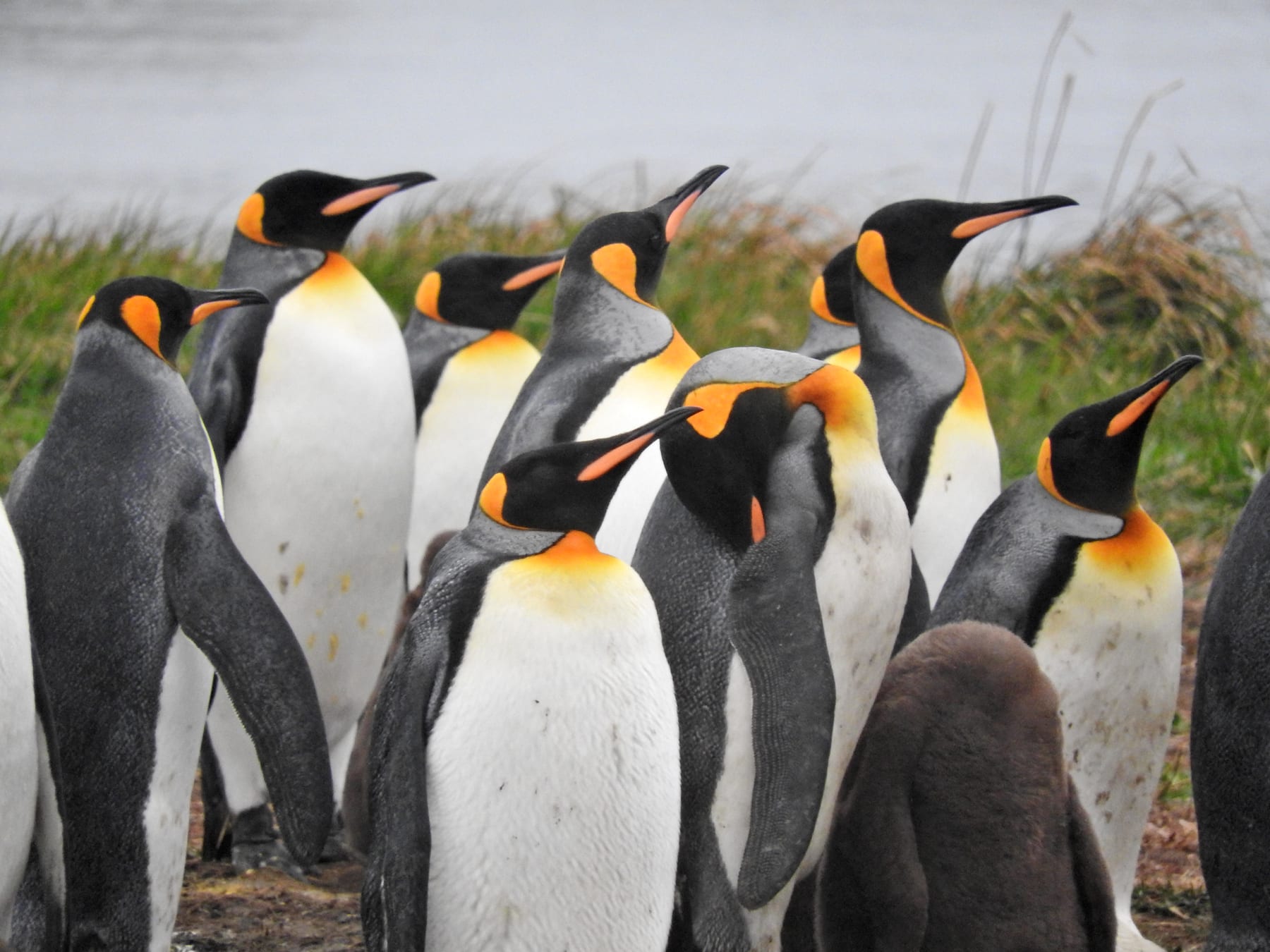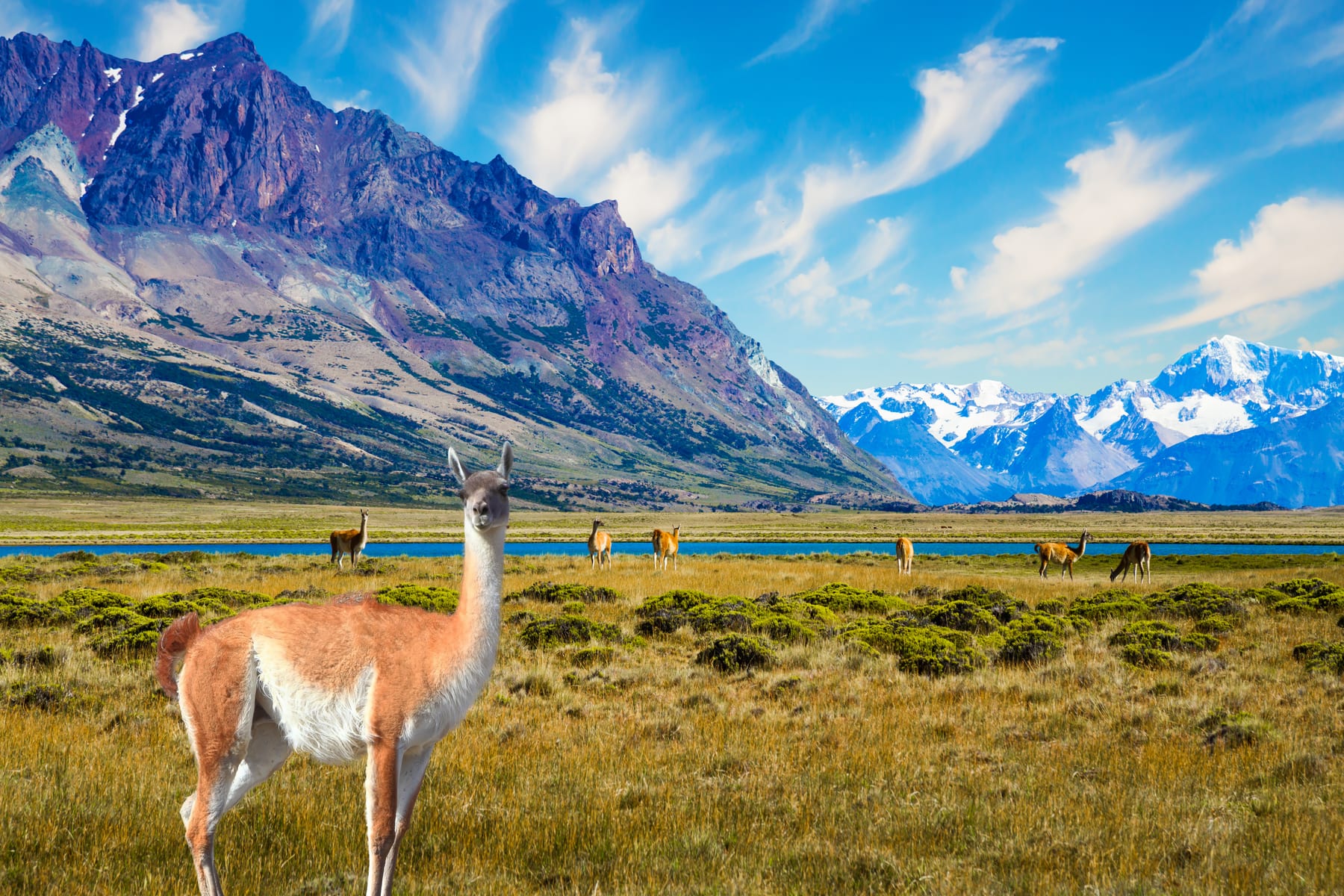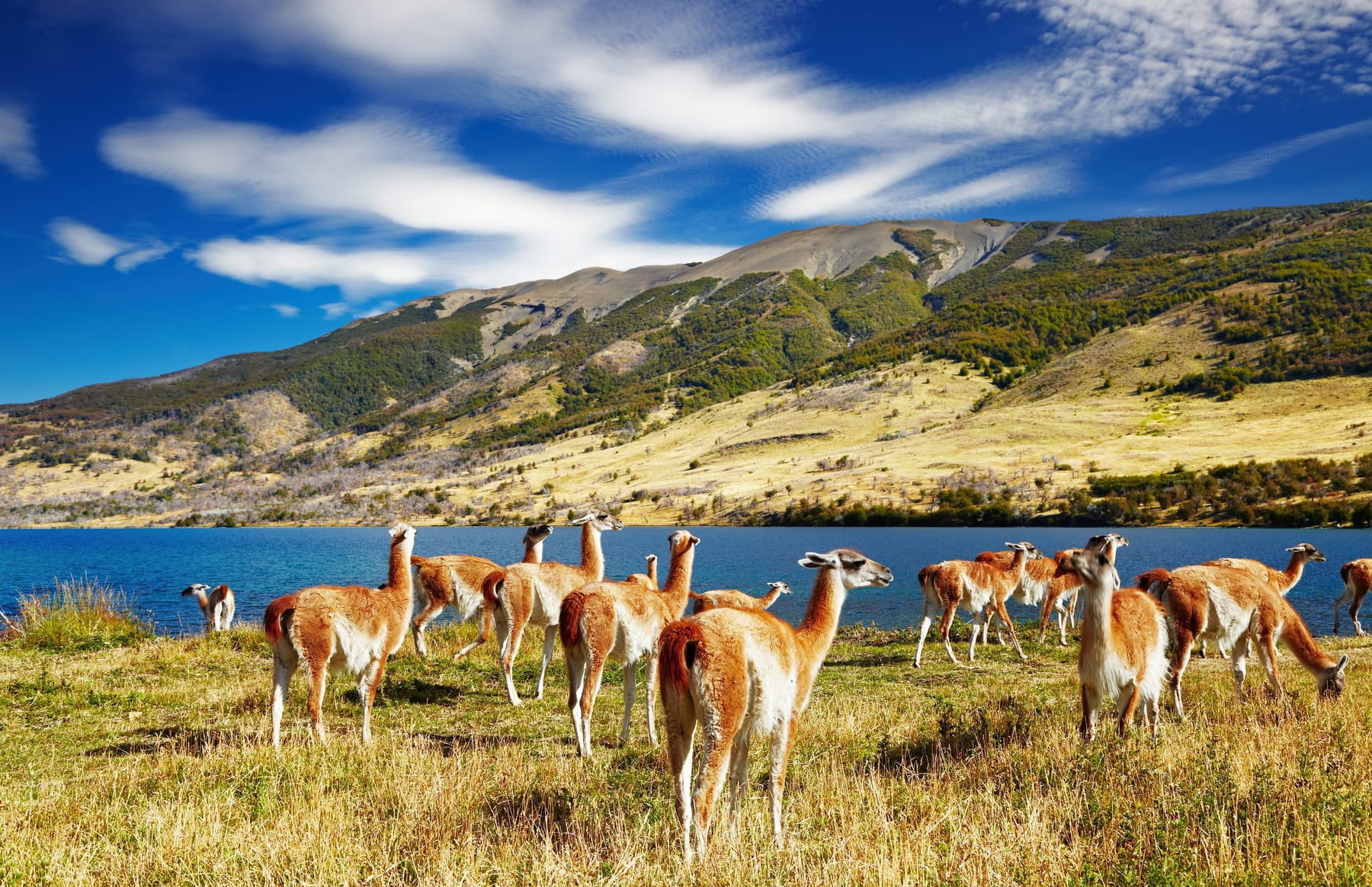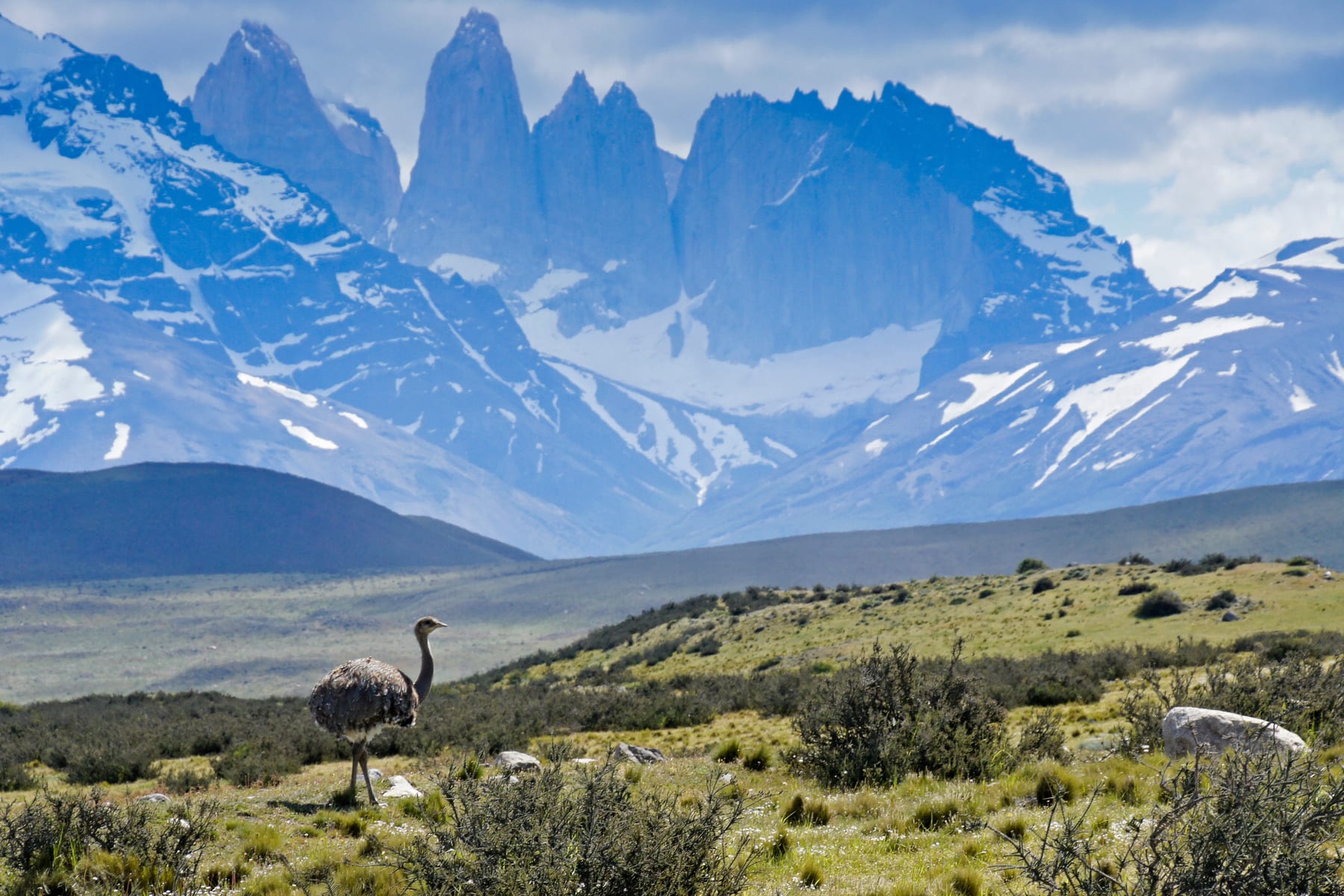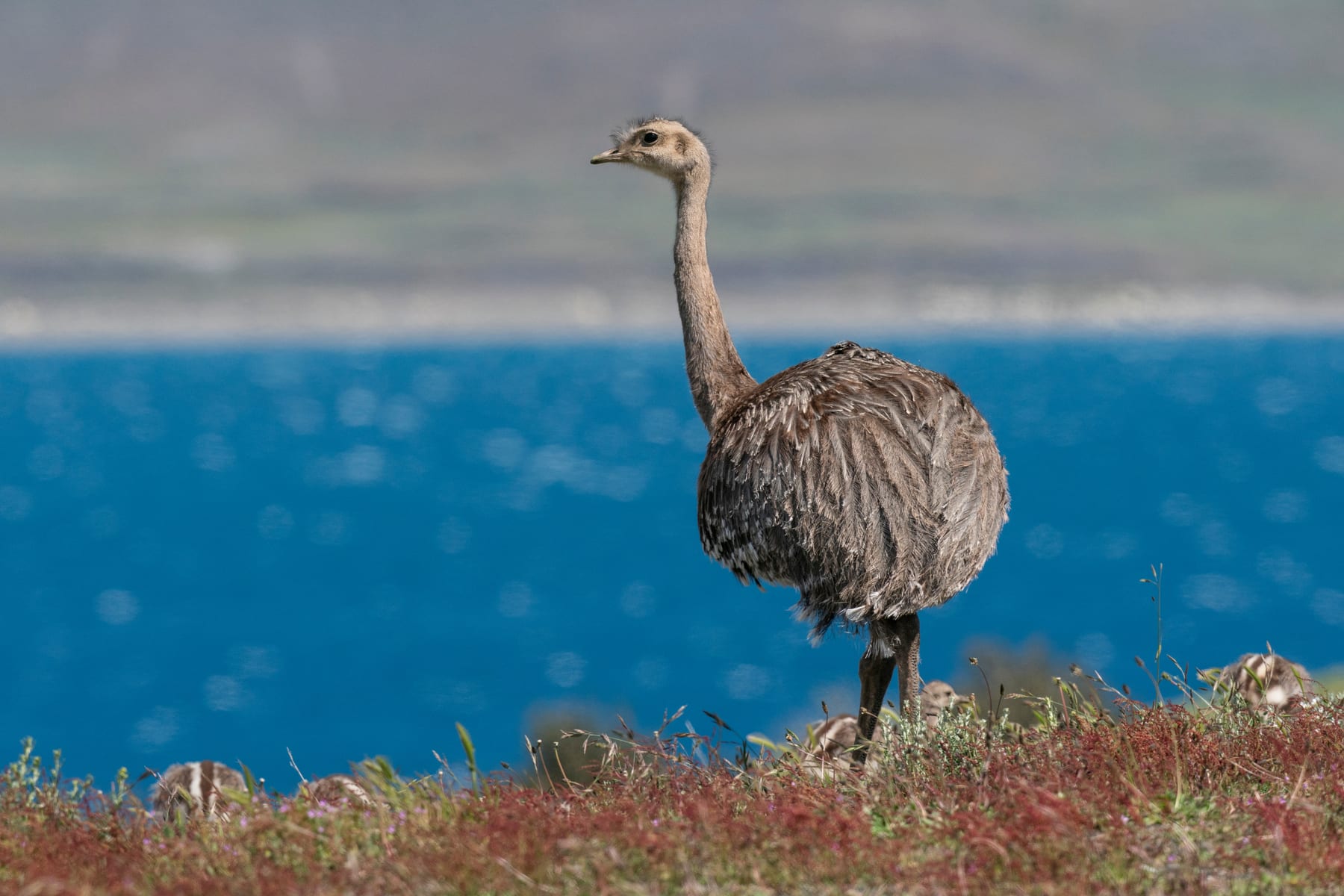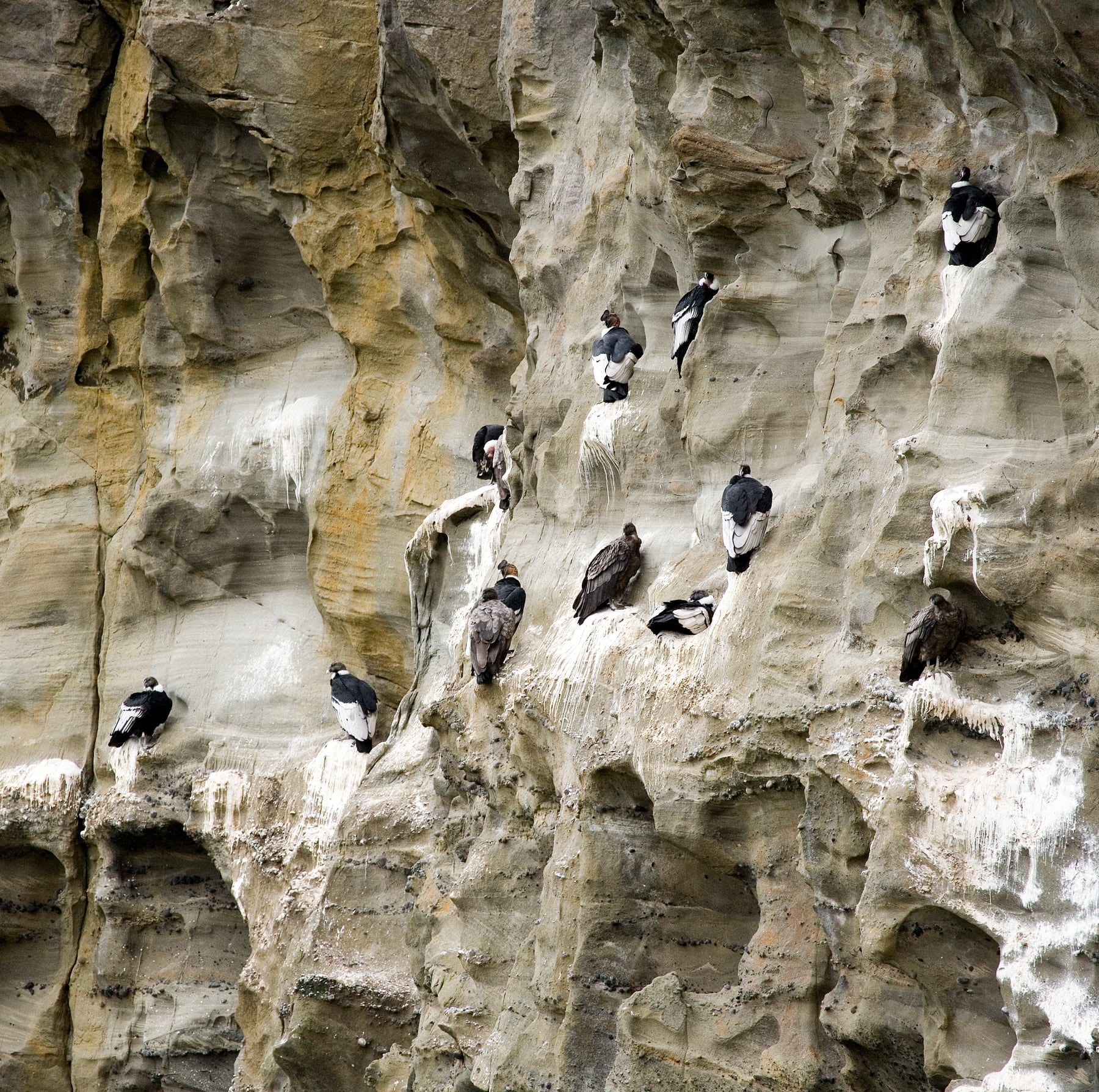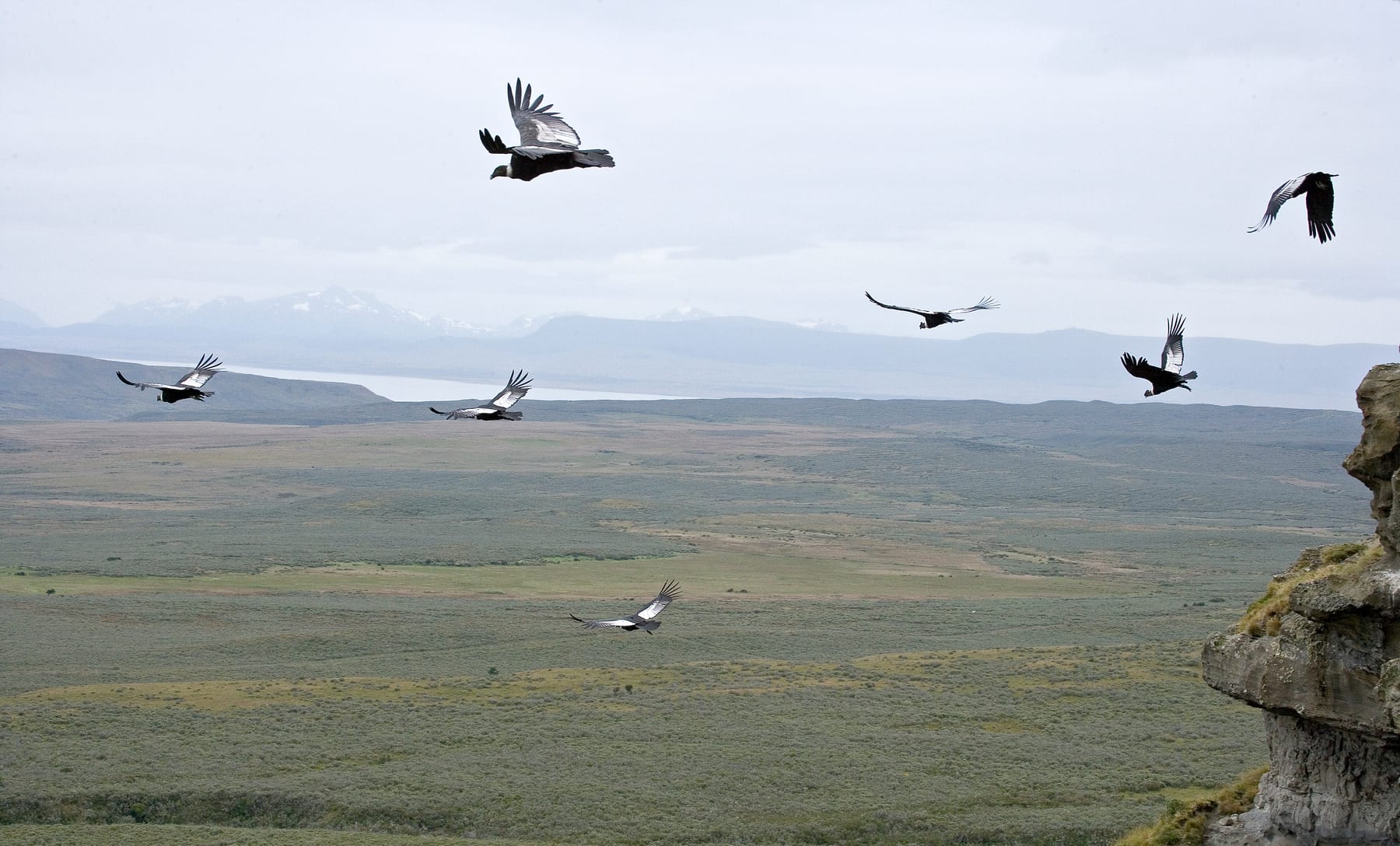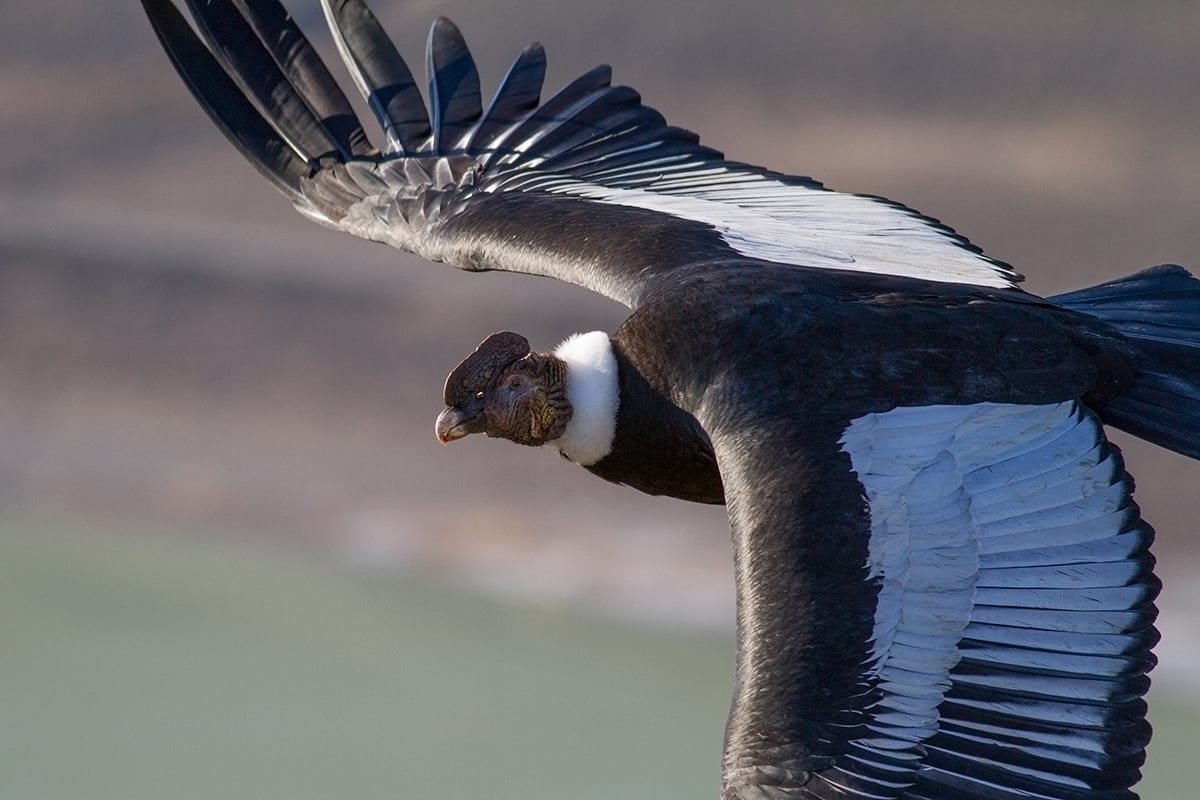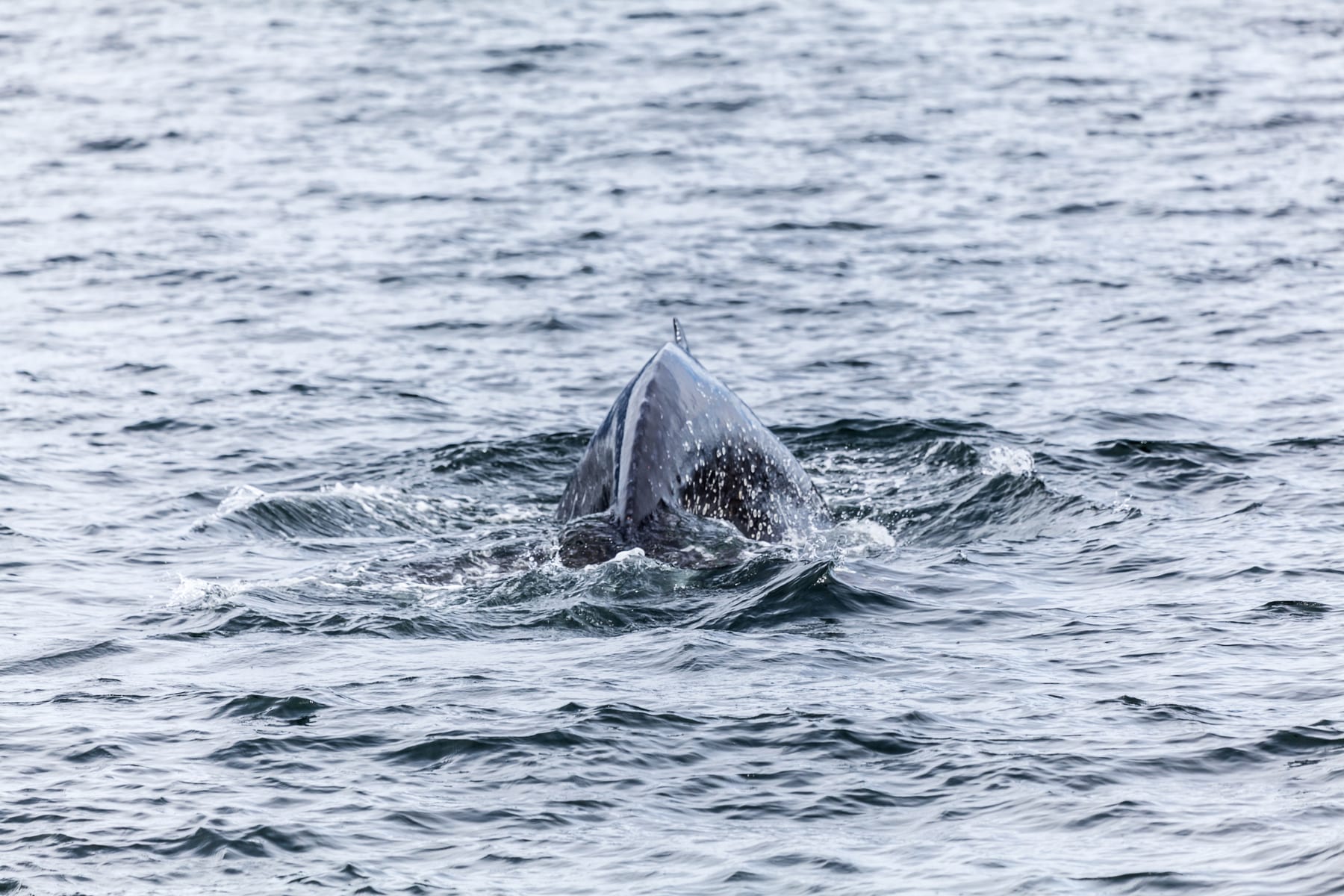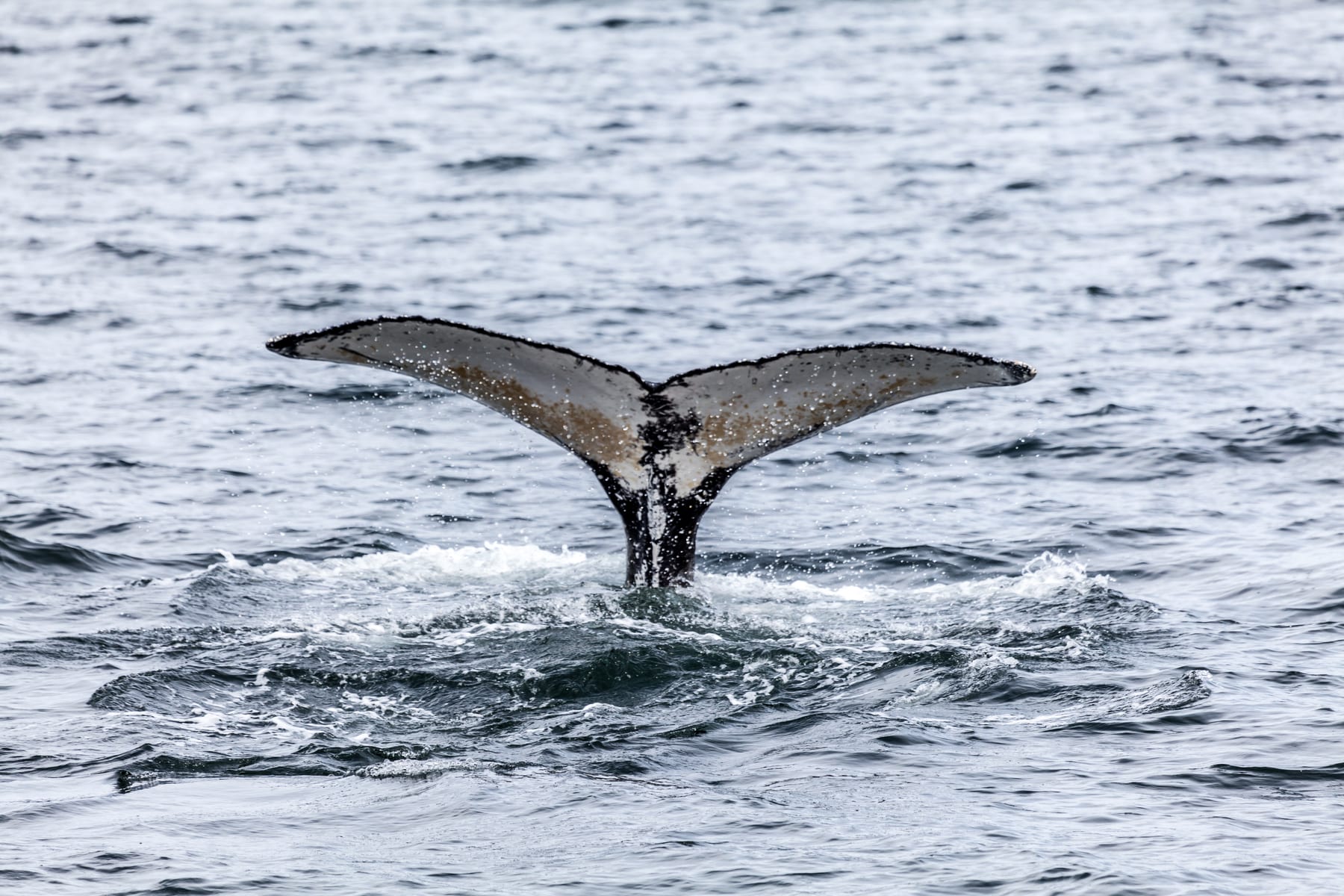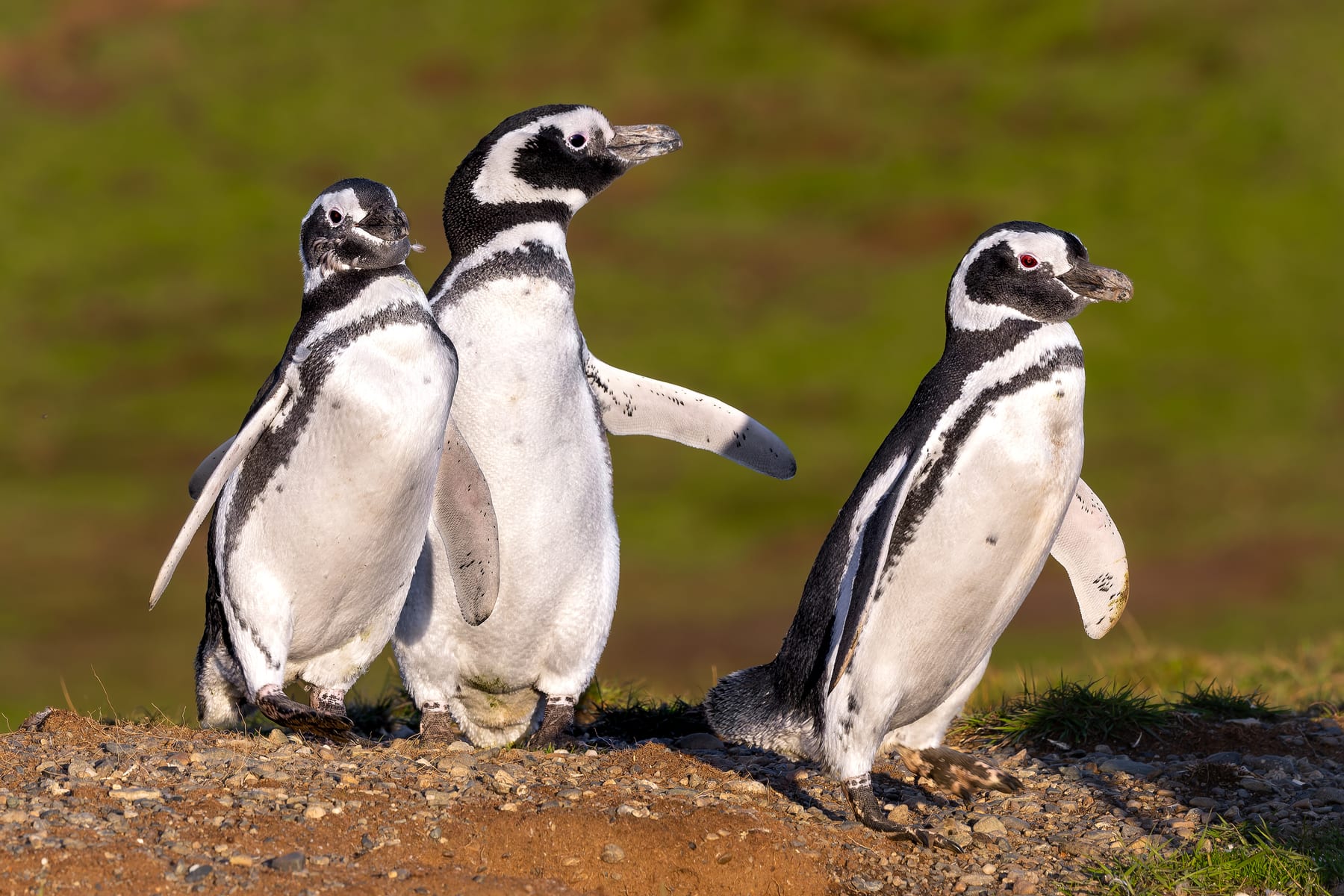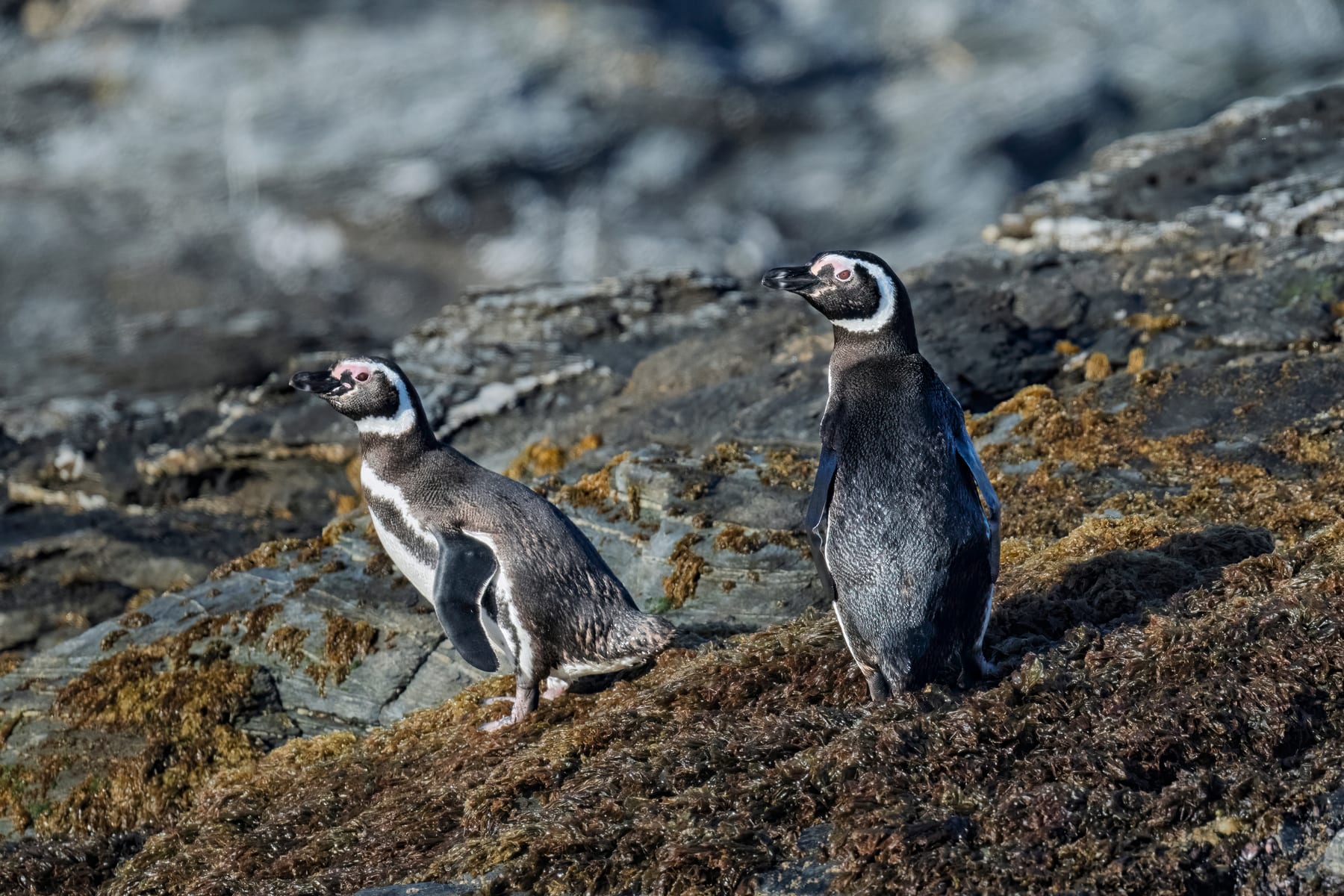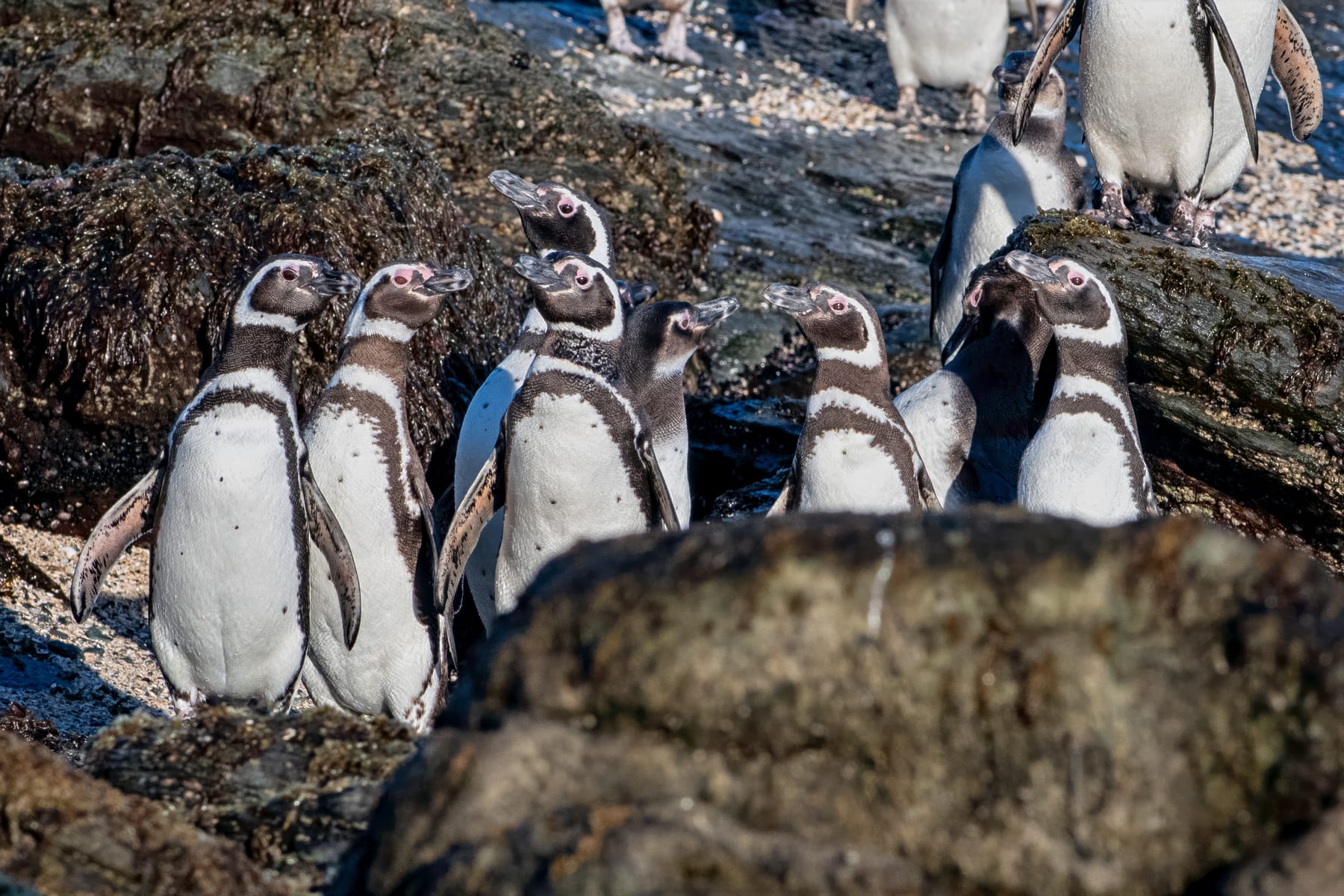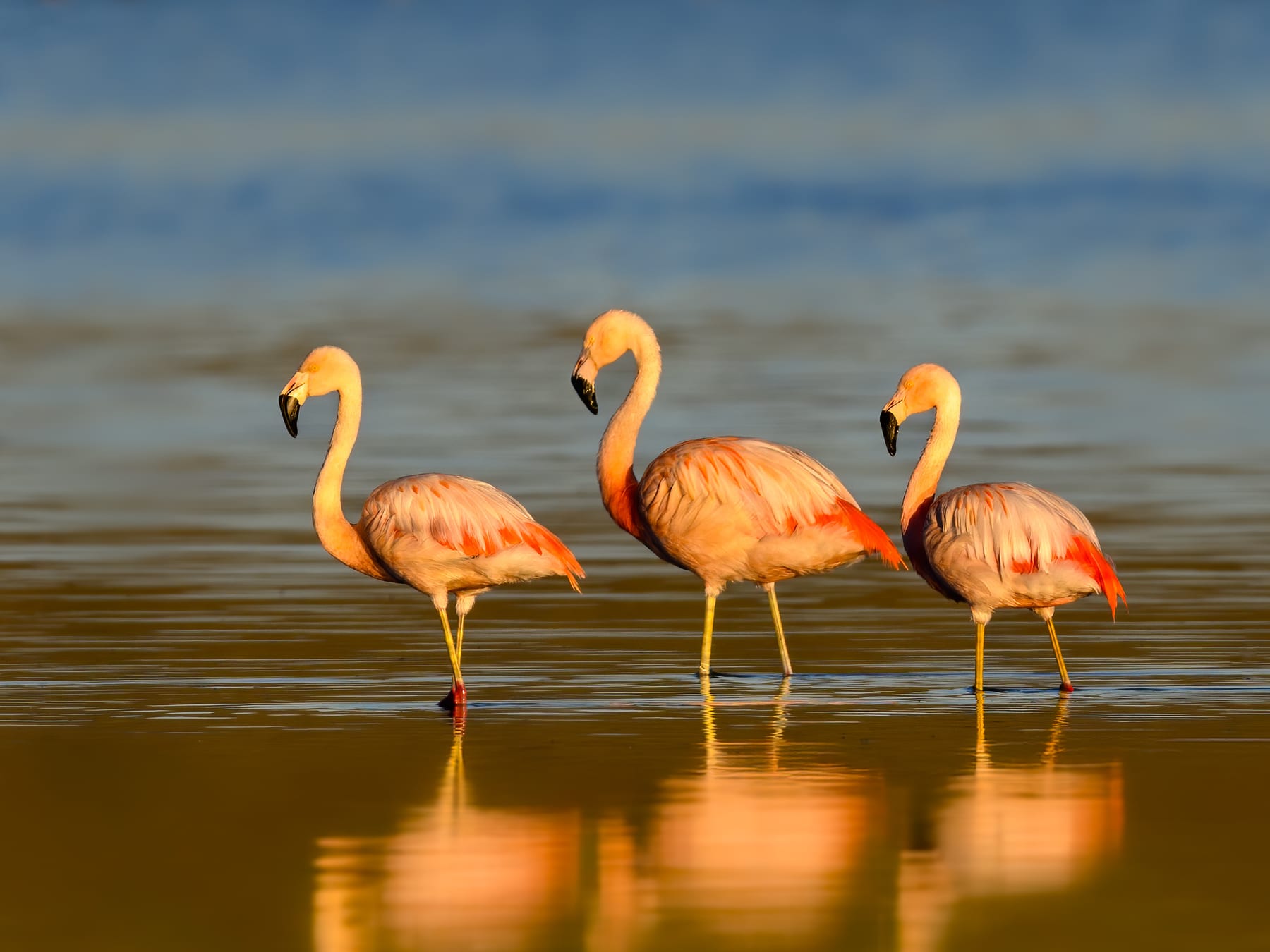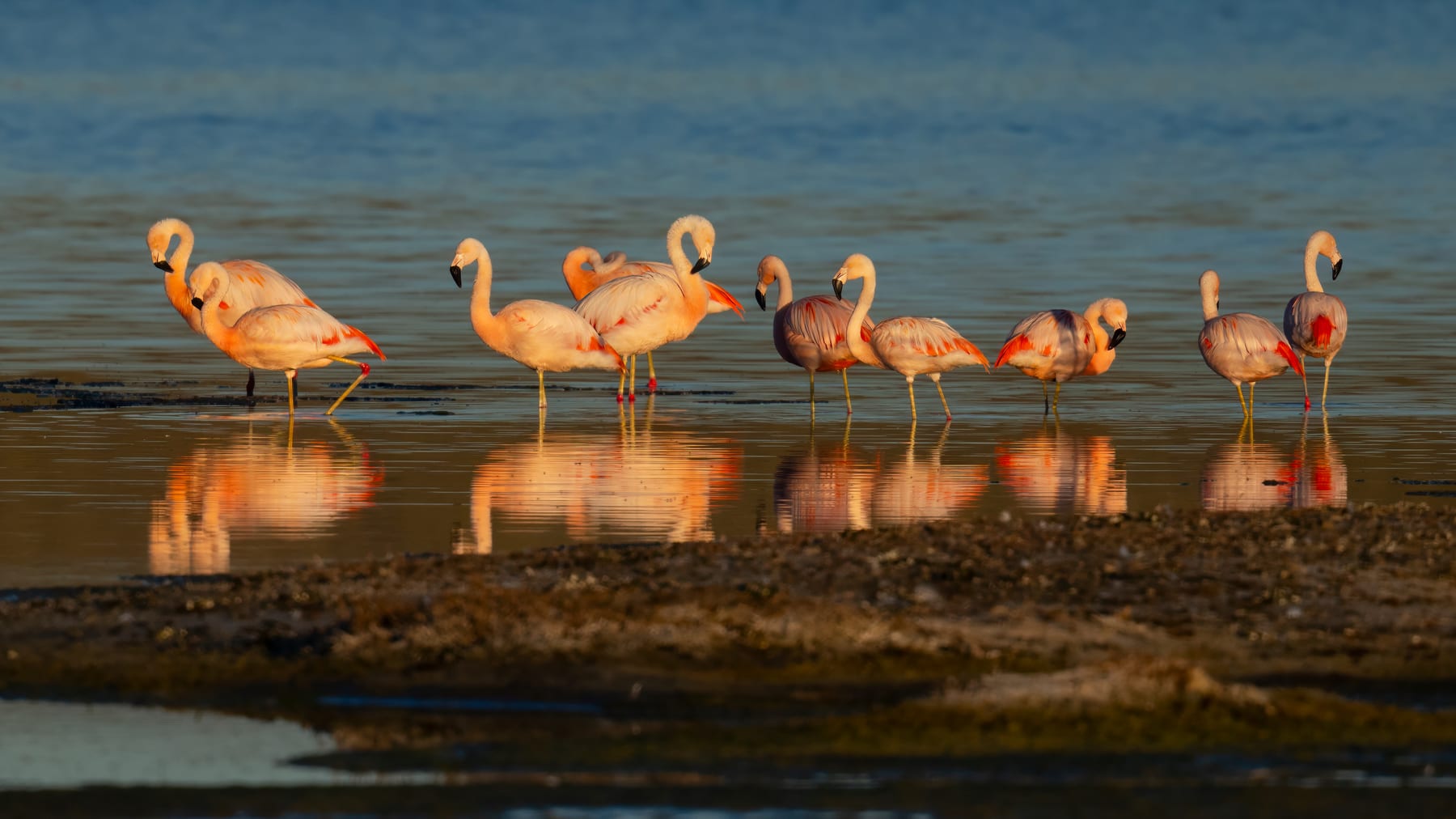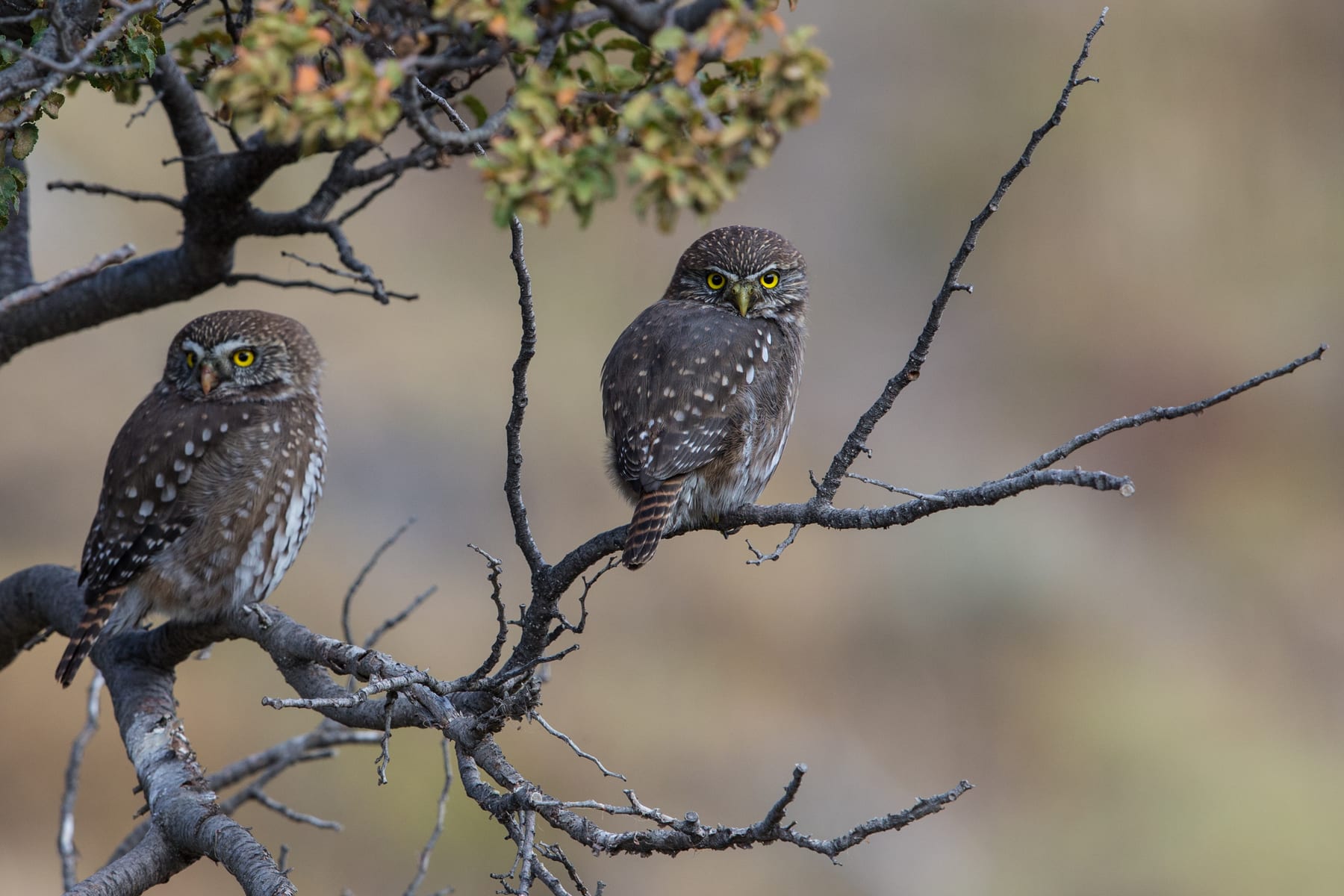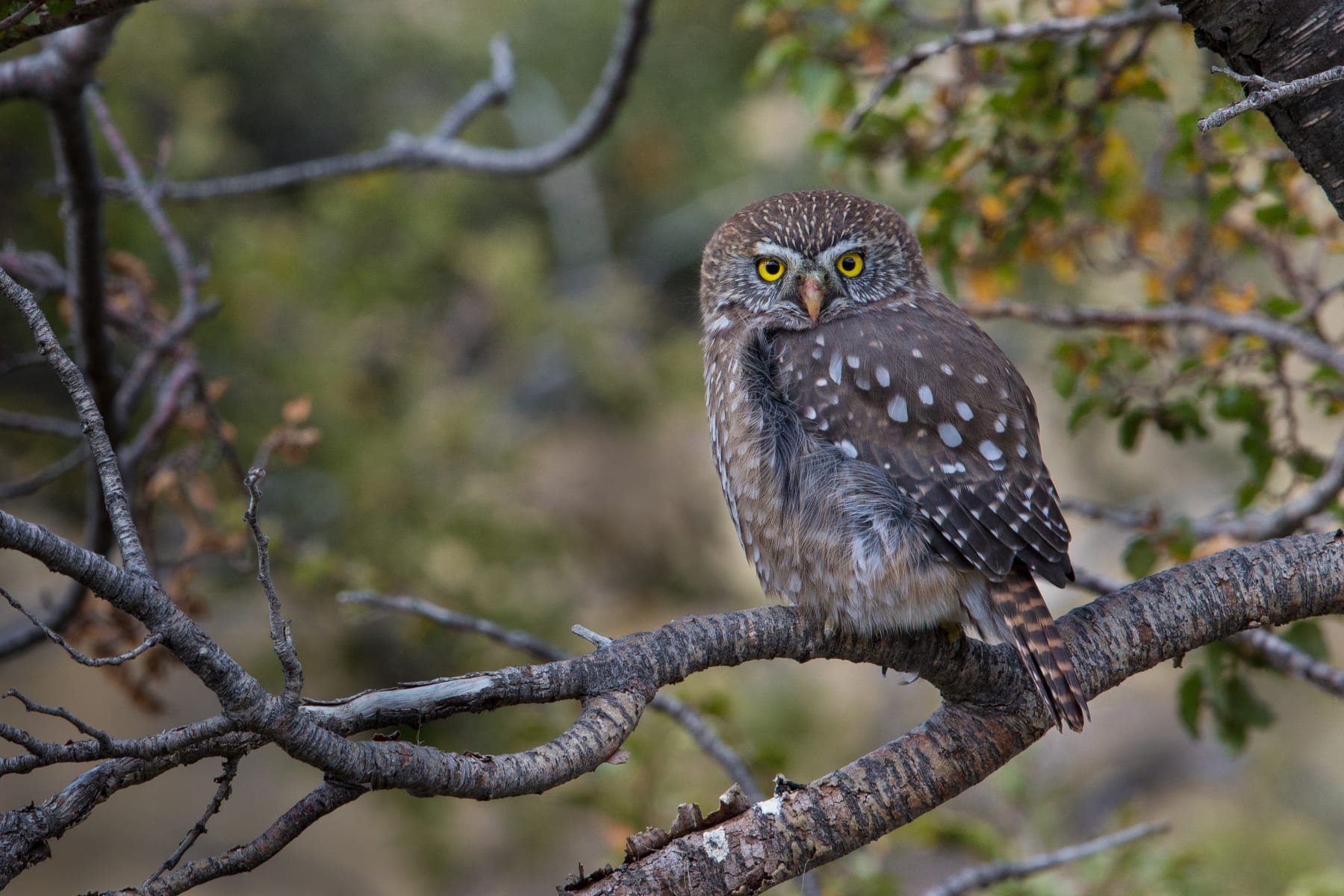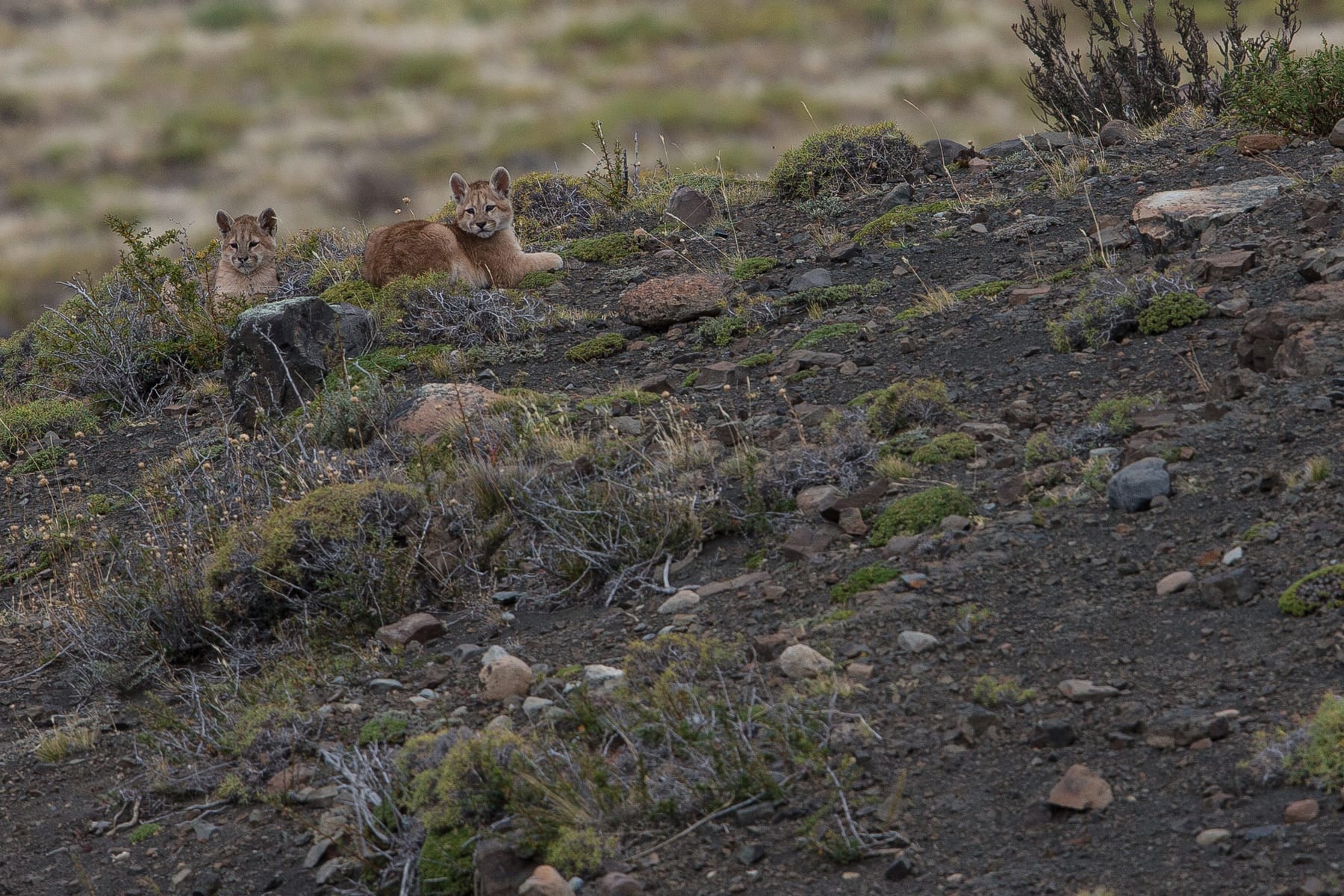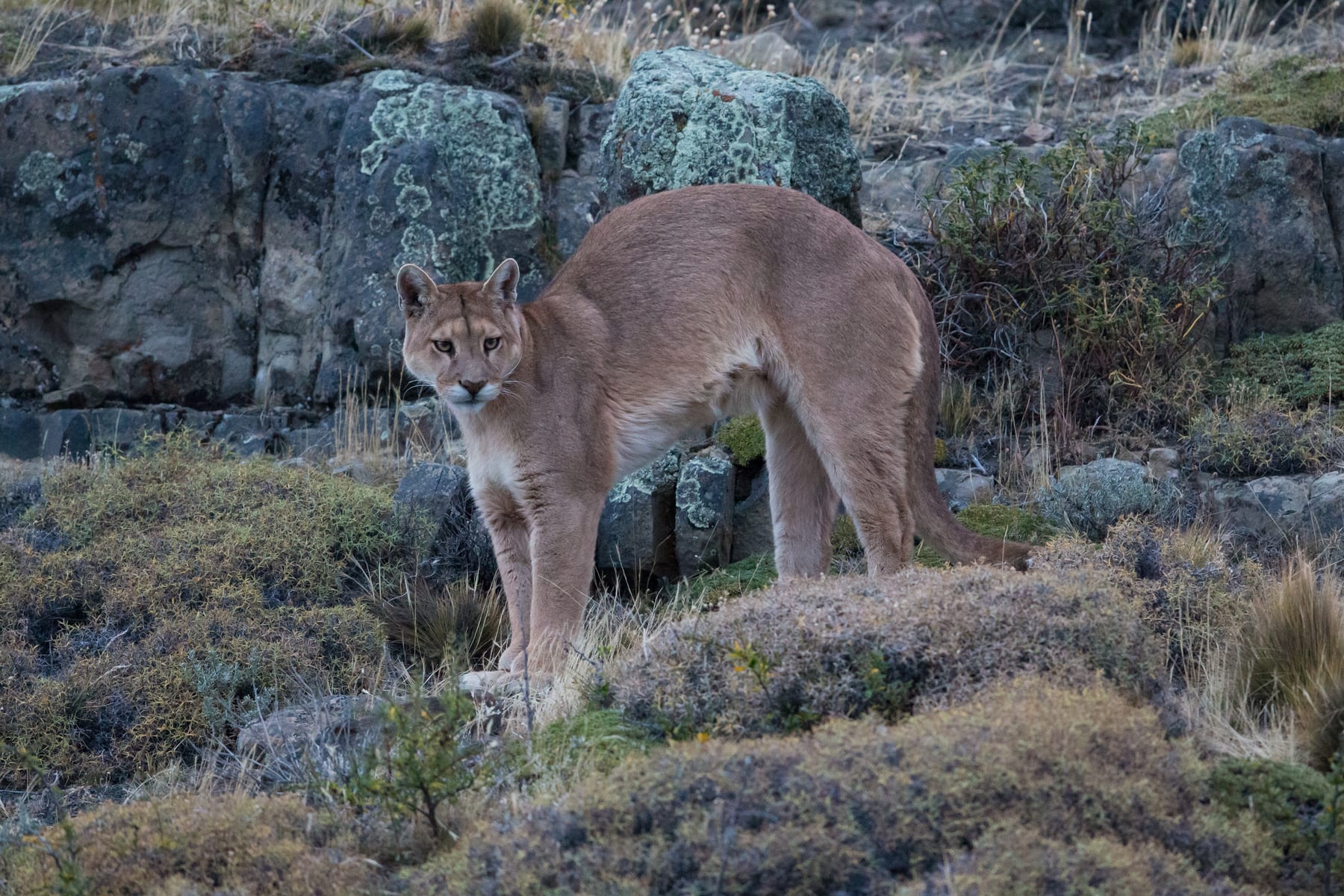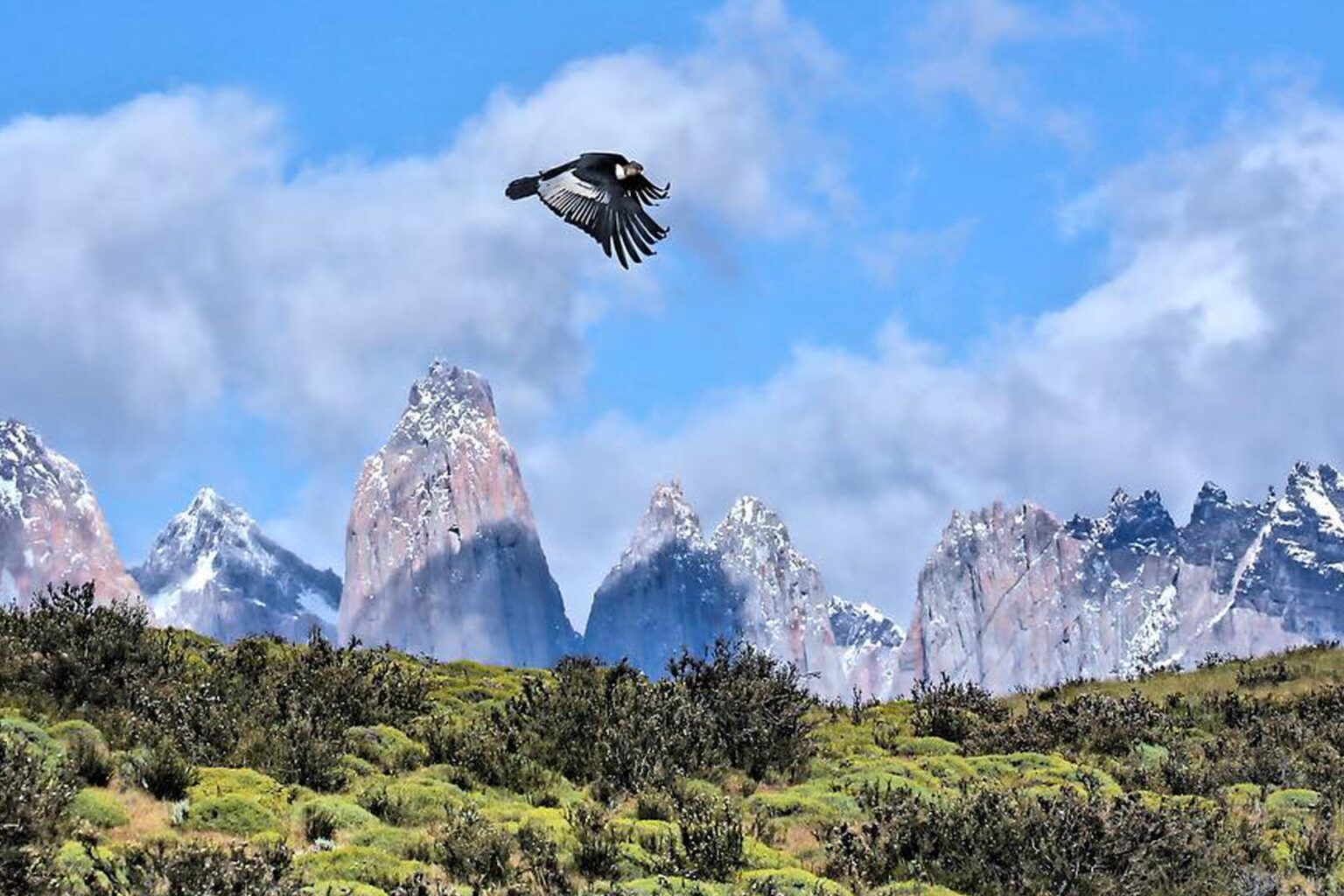
After having evaluated all the finest wildlife attractions of southern Chile, we have designed an all-star wildlife itinerary for serious wildlife lovers… and we call it “Wildlife of Chilean Patagonia”. This itinerary includes the Pumas of Pumaland, Guanacos, Chilean Flamingoes, Darwin’s Rheas, the Andean Condors of Condor Cliffs, Magellanic Penguins, King Penguins up close entering and leaving the sea, LEOPARD SEALS, Elephant Seals, Black-browed Albatrosses, Peale’s Dolphins, Commerson’s Dolphins, and Humpback Whales. All of these species can be seen and photographed well in an itinerary of only 17-19 days. Each of these attractions is amazing in itself, but together, they make for a real blockbuster of a trip.
There are considerations of seasonality and weather, however, that will help guide the planning of your trip. First of all, the ferocious wind that is common in the months of September through April cannot be ignored, as the boat trips required to see Magellanic Penguins can be cancelled for a day or two, and the very large car-and-truck ferries required to get to the King Penguins can be canceled for a day due to high waves caused by excessively high winds (80-140 km/h = 50-90 mph).
Furthermore, the wonder of walking among tens of thousands of Magellanic Penguins is available only from October through mid-March, during those same windy months. Fortunately, however, the King Penguins are available in all their glory all year, and although there are only 100-160 present on any given day, waiting patiently at the right spots often yields spectacular viewing from as little as 15-30 m as they walk to the sea and back. A major bonus of the months of June and July is that there is very little wind at all, and daytime high temperatures are usually a few degrees above freezing, which in general is very manageable. The one issue that one must remember is that in June and July, one must leave extra time for transfers, as it is common for roads to become slick with light snow or ice, which requires much slower driving.
Puma mothers first bring out their new cubs in March and April, while the condors of Condor Cliffs and the Chilean Flamingoes of the various salt lakes also are seasonal. Weighing the pros and cons of the different seasons means that every month of the year is worth a trip, though if you had to cut out one month, we would say avoid August, as the roads can freeze and the winds start to increase again after the lull of June and July.
Almost all the hotels of Torres del Paine close during the austral winter, from 1 May until 15 September. Thus, in those winter months, you have to work with our expert agents to design an itinerary that can achieve your wildlife goals. Many wildlife photographers choose to visit Paine in June and July to try to photograph Pumas in the snow, and often that works very well.
Work with our expert planners to design the perfect trip for you that will combine comfort with flexibility and adventure in South America.
Hotels in Chilean Patagonia vary from good to spectacular, and we know them all. Speak with us about the options.