Jaguar Tour - Porto Jofre, Jaguarland, Pantanal
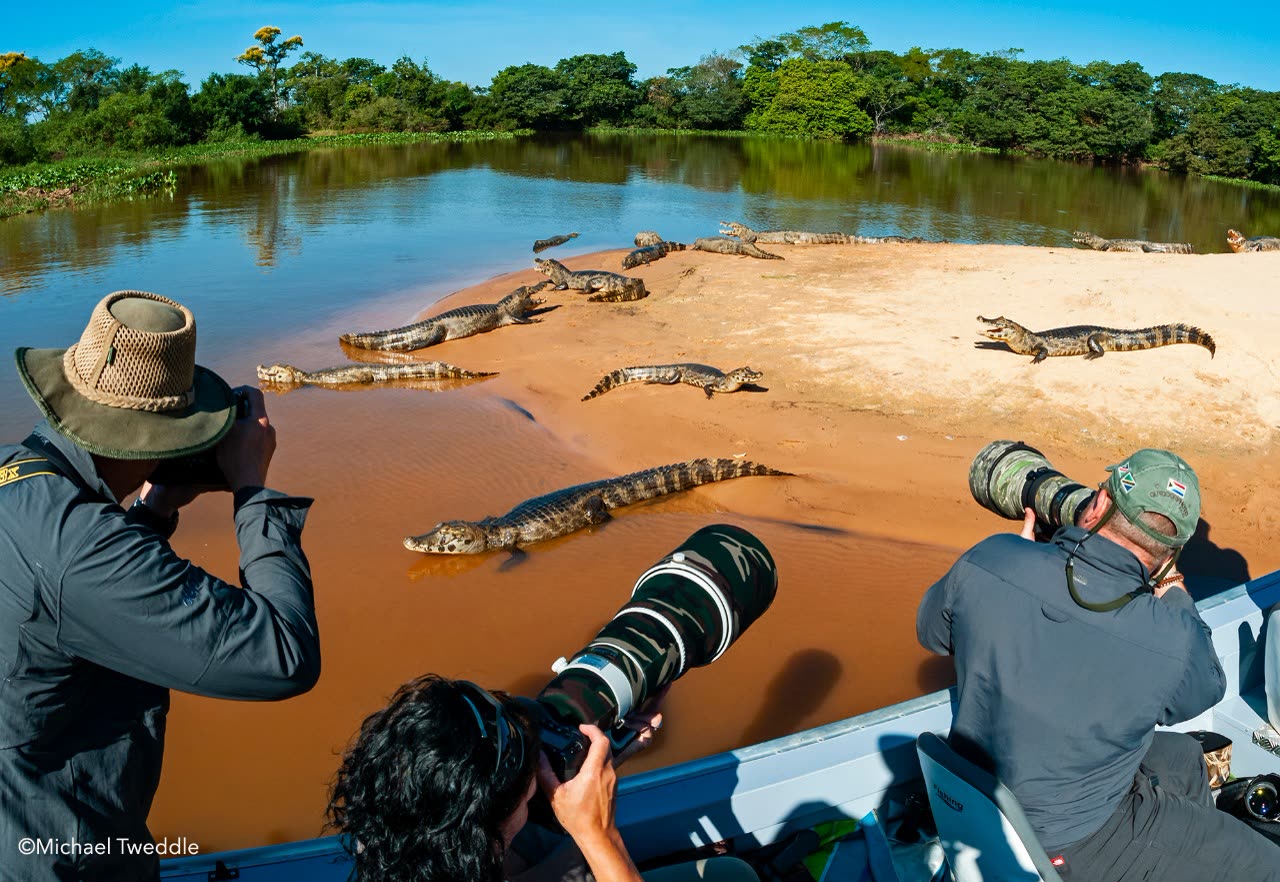
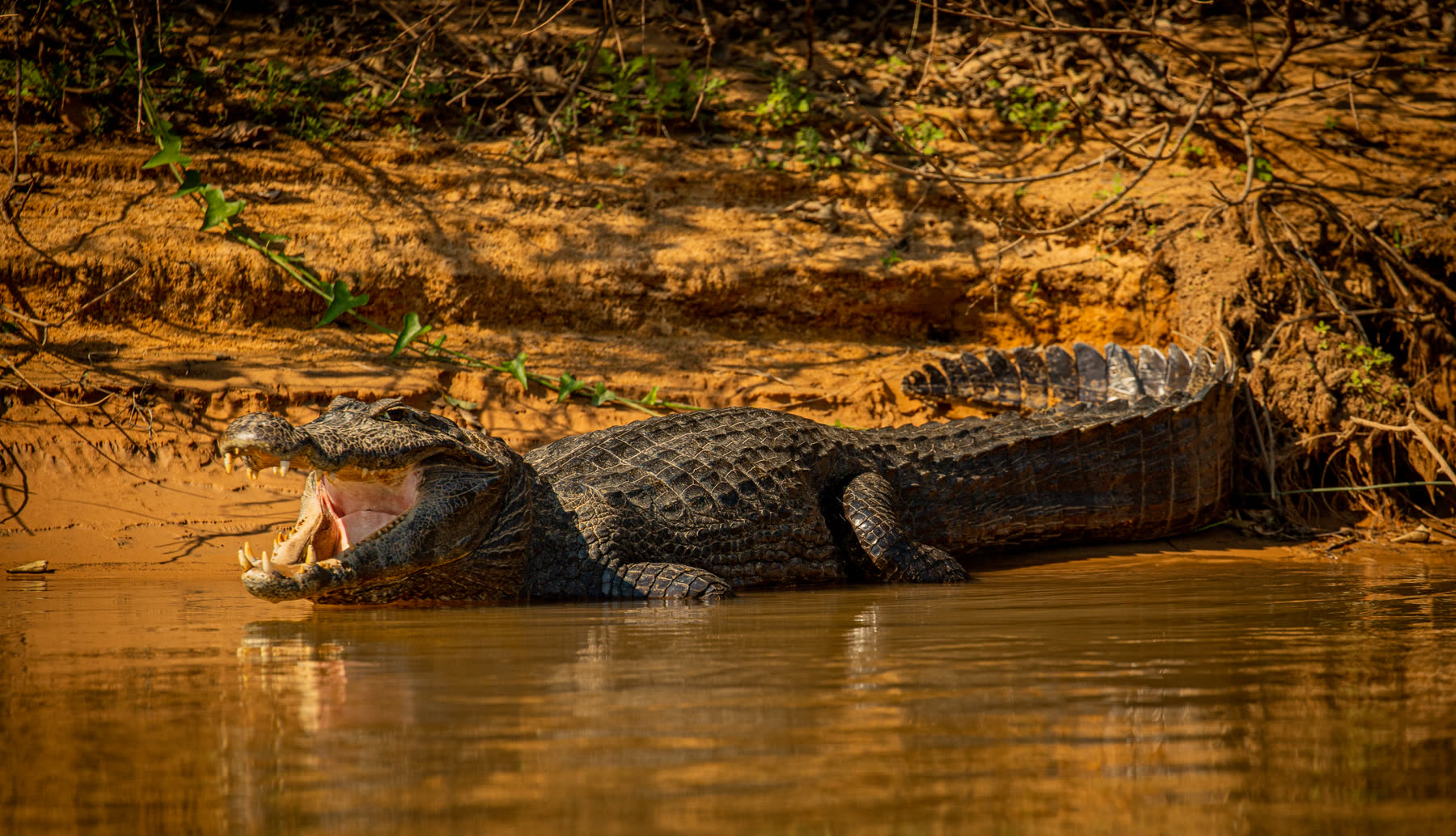
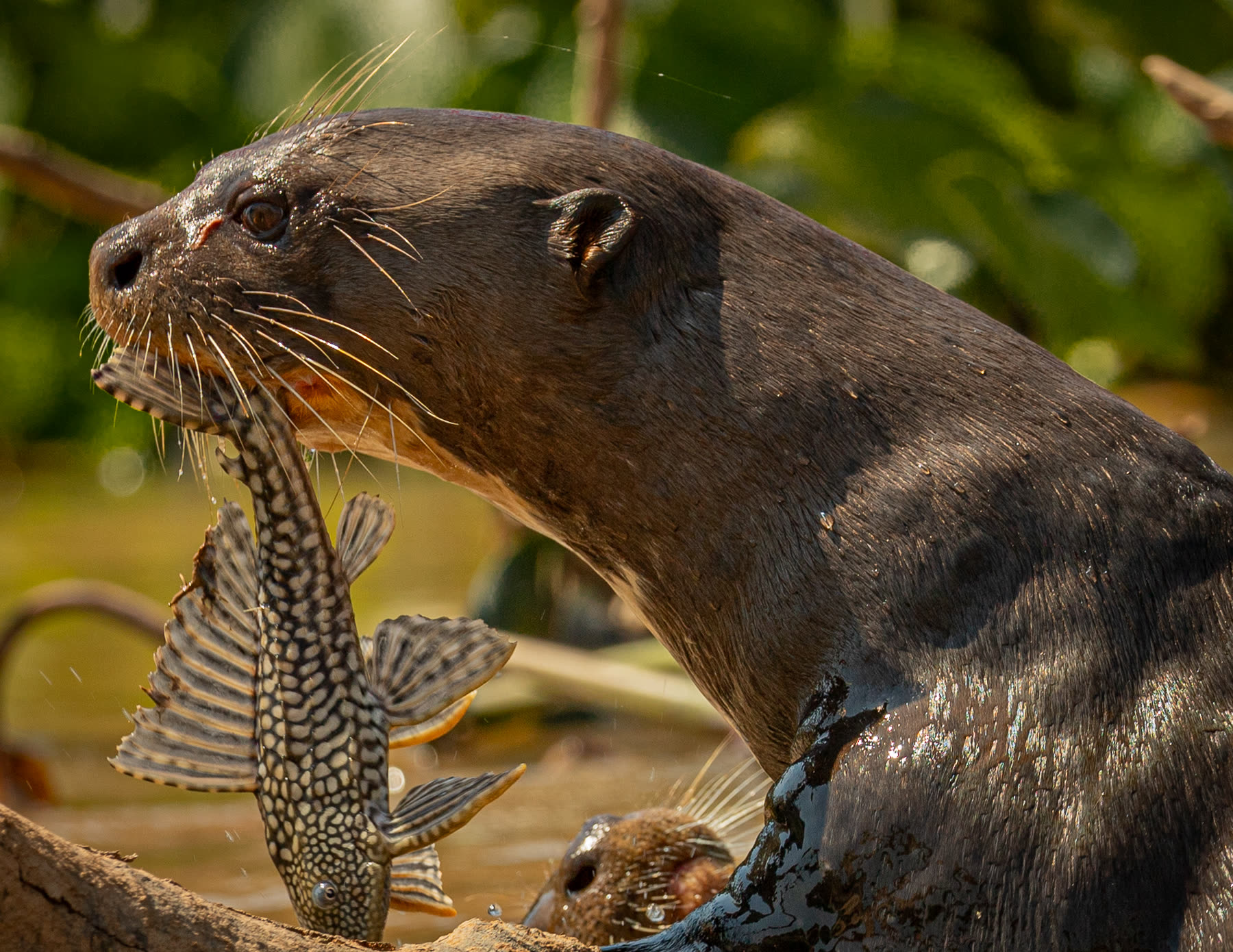
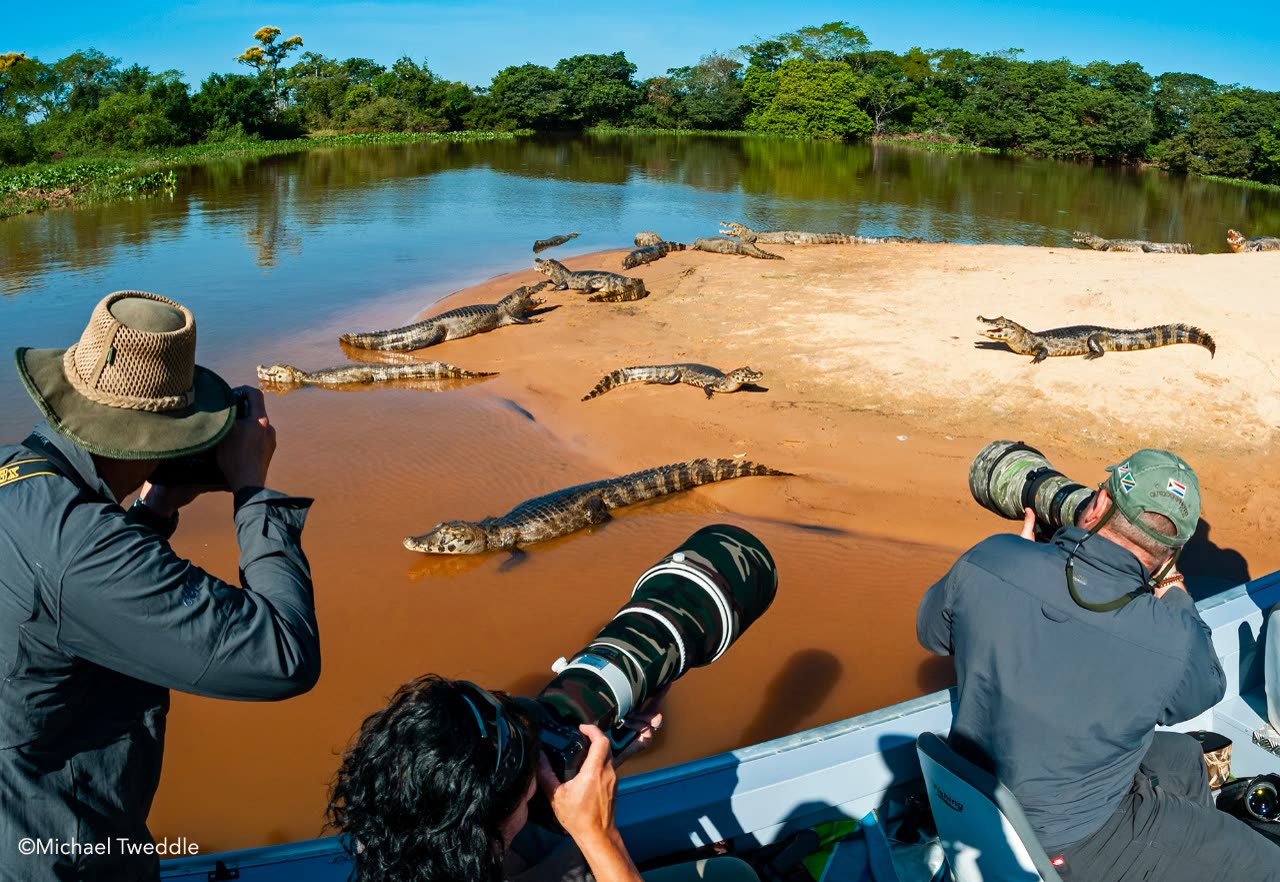
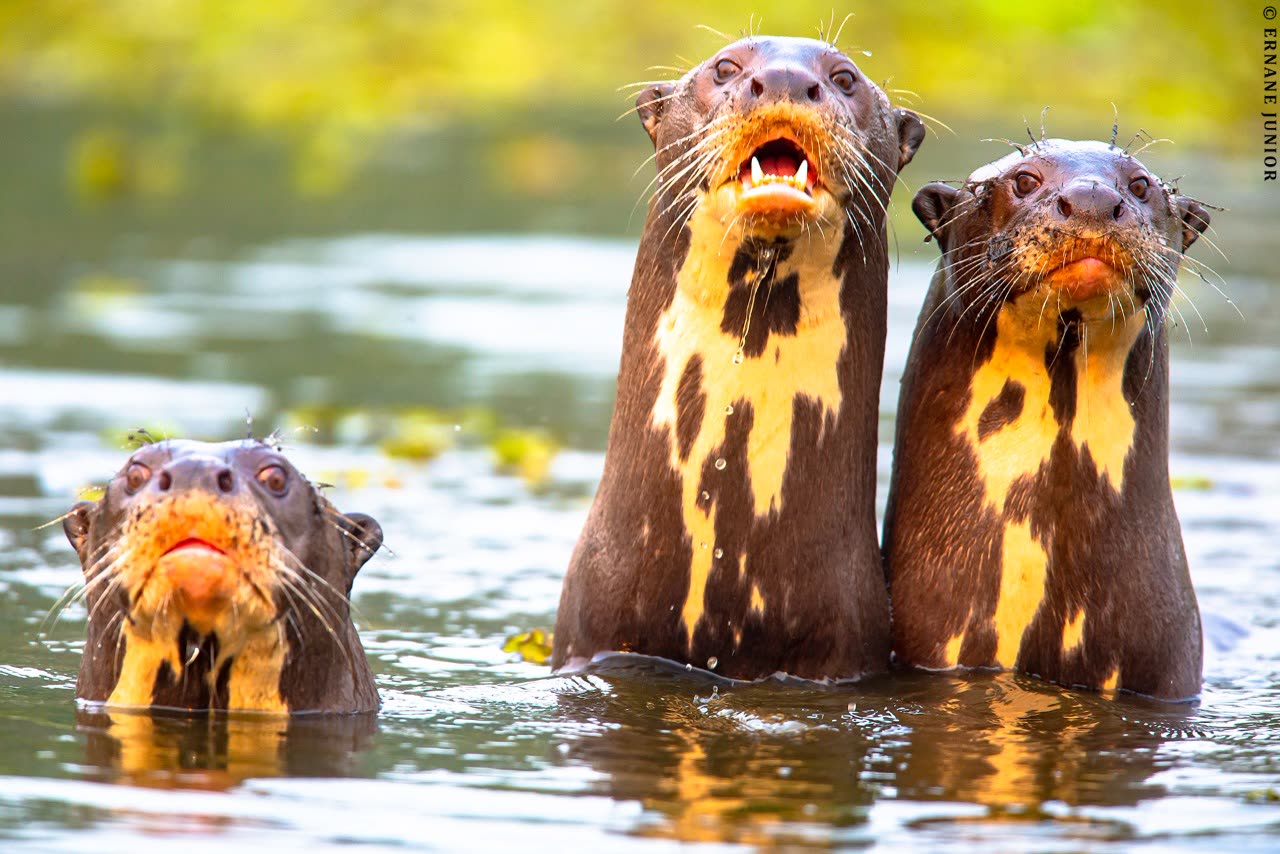
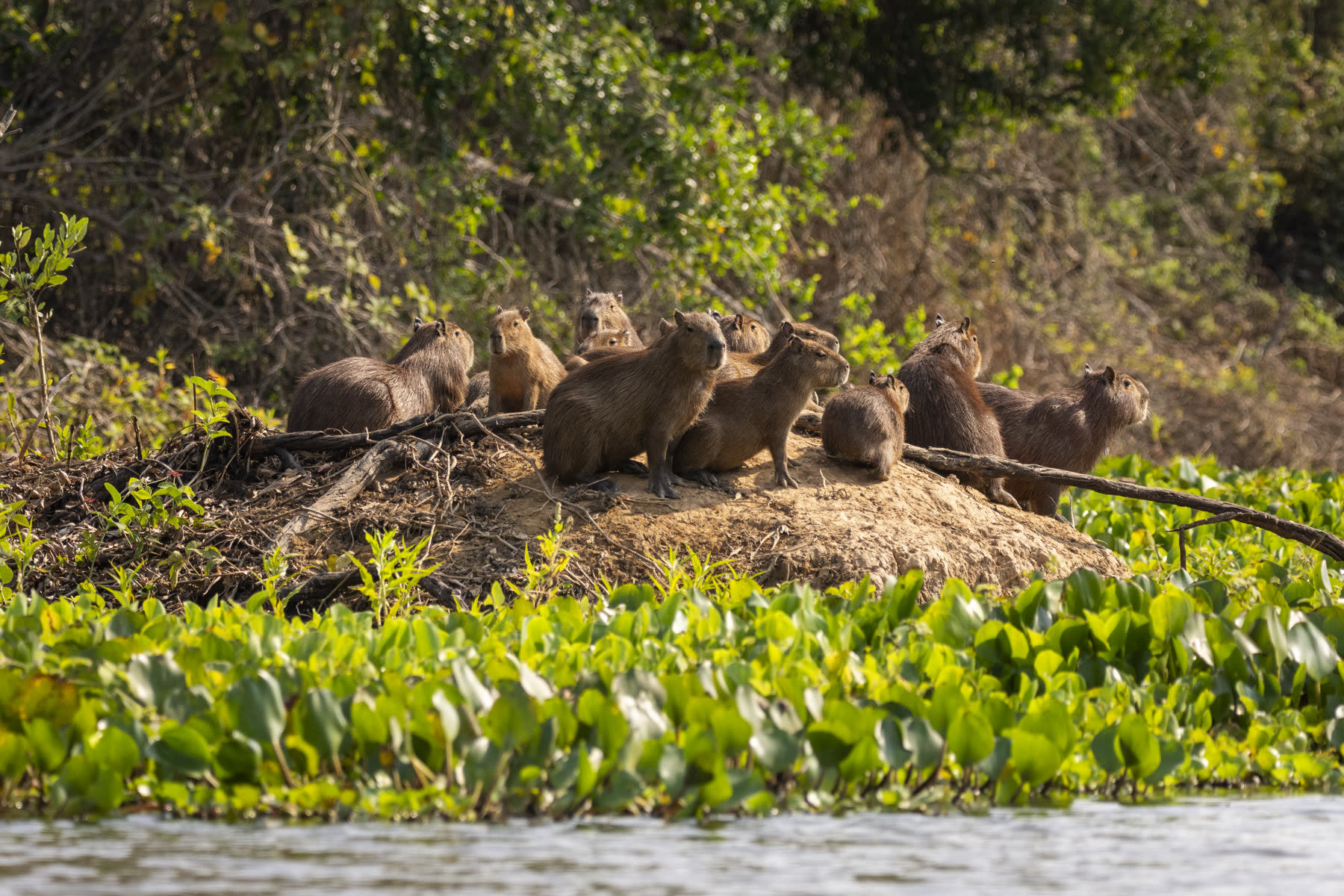
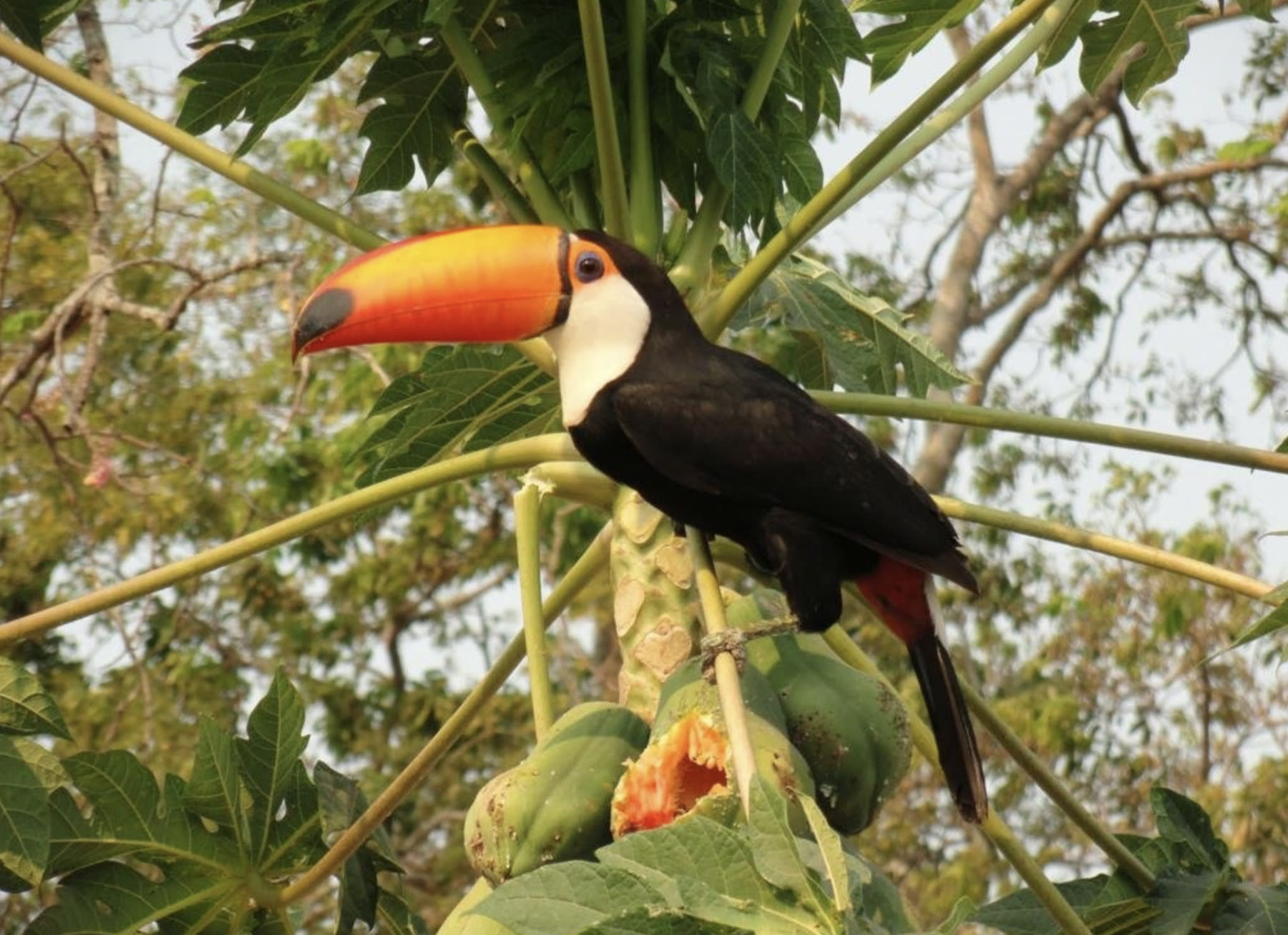
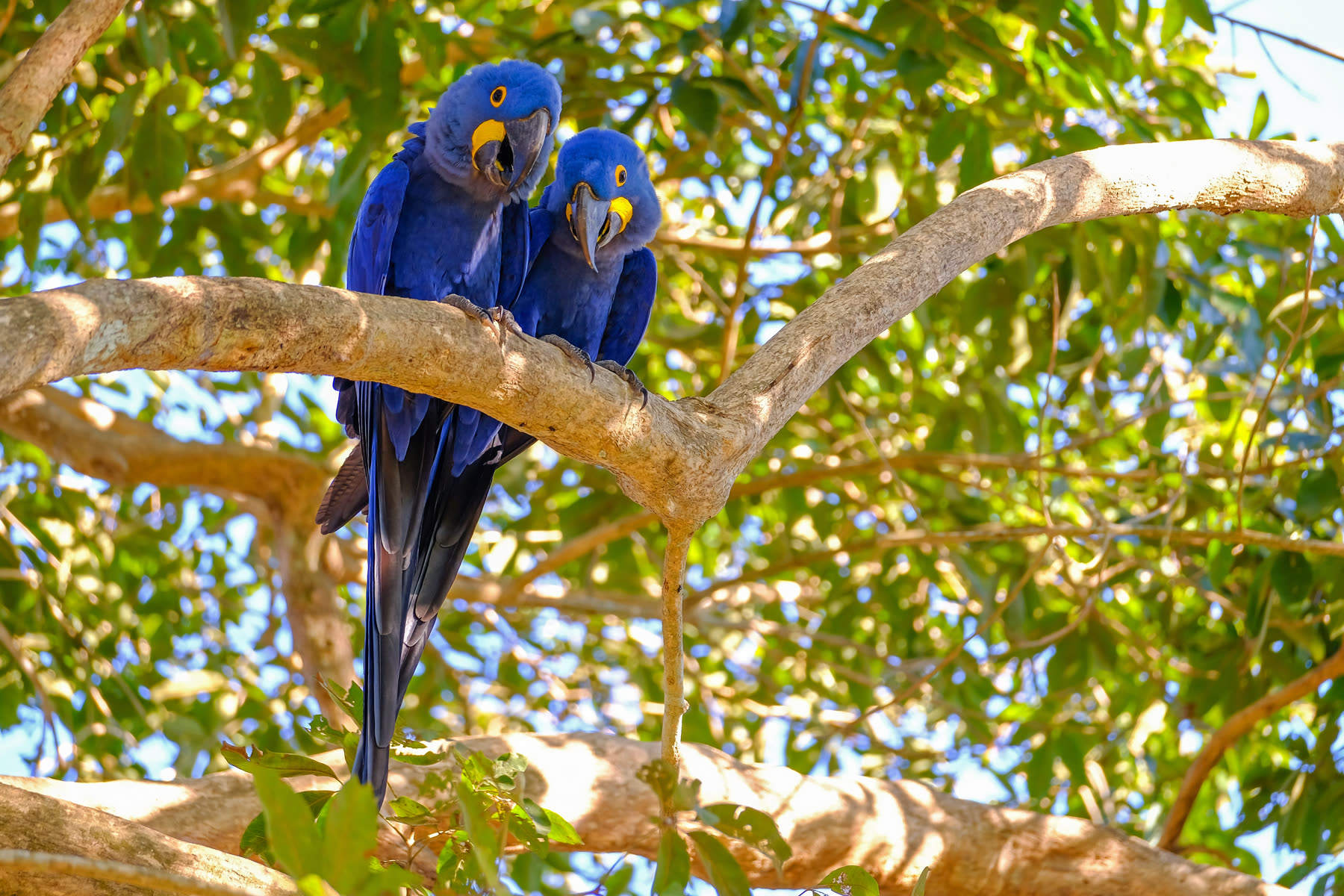
The Pantanal is widely recognized as one of the greatest wildlife destinations on Earth, a vast and untamed ecosystem that offers the finest wildlife viewing in the American tropics, rivaling even the legendary Galápagos Islands in terms of sheer wildlife spectacle. This extraordinary ecosystem is a true land of giants, home to some of the New World’s most iconic species. The species easy to see in the Pantanal include the Jaguar, which is the largest cat in the Western Hemisphere and the third largest on Earth, the Brazilian Tapir, which is the largest land mammal in South America, the Giant Otter, which is the largest otter on Earth, the Hyacinth Macaw, which is the largest parrot species on Earth, and the Capybara, the largest rodent on Earth. Also included are the Jabiru Stork, which is the tallest flying bird south of the Texas/Mexico border, the Giant Anteater, which is the largest anteater on Earth, and the Toco Toucan, the largest and most famous of the world’s 50 species of toucans. Then add to the mix the four million Paraguayan Caimans of the Pantanal, which is the largest population of any crocodilian on Earth, and you have a land of wildlife wonders.
Stretching across a colossal 350-kilometer by 550-kilometer floodplain, the Pantanal is the largest freshwater wetland in the world. Its intricate mosaic of rivers, forests, marshes, and seasonally-flooded grasslands supports an astonishing richness of life, including nearly 400 bird species, 82 of which weigh more than a pound. This is the longest list of “big birds” of any place on Earth, and it is possible to see several thousand big birds right along the raised, 145-km-long Transpantaneira Road, which enters the Pantanal from the north, ending in the north-central Pantanal on the north banks of the 200-m-wide Cuiabá River.
Brazil’s landmark decision in 1967 to ban all forms of hunting laid the foundation for one of conservation’s most remarkable success stories. Over the following decades, wildlife populations flourished and became amazingly-habituated to living peacefully just a few meters from people. The result is nothing less than what conservationists rightly call the “Brazilian Ecological Miracle.” Today, wildlife densities and visibility in the Pantanal are certainly greater than at any point in the last 12,000 years, offering travelers a rare opportunity to experience nature in a state of extraordinary abundance.
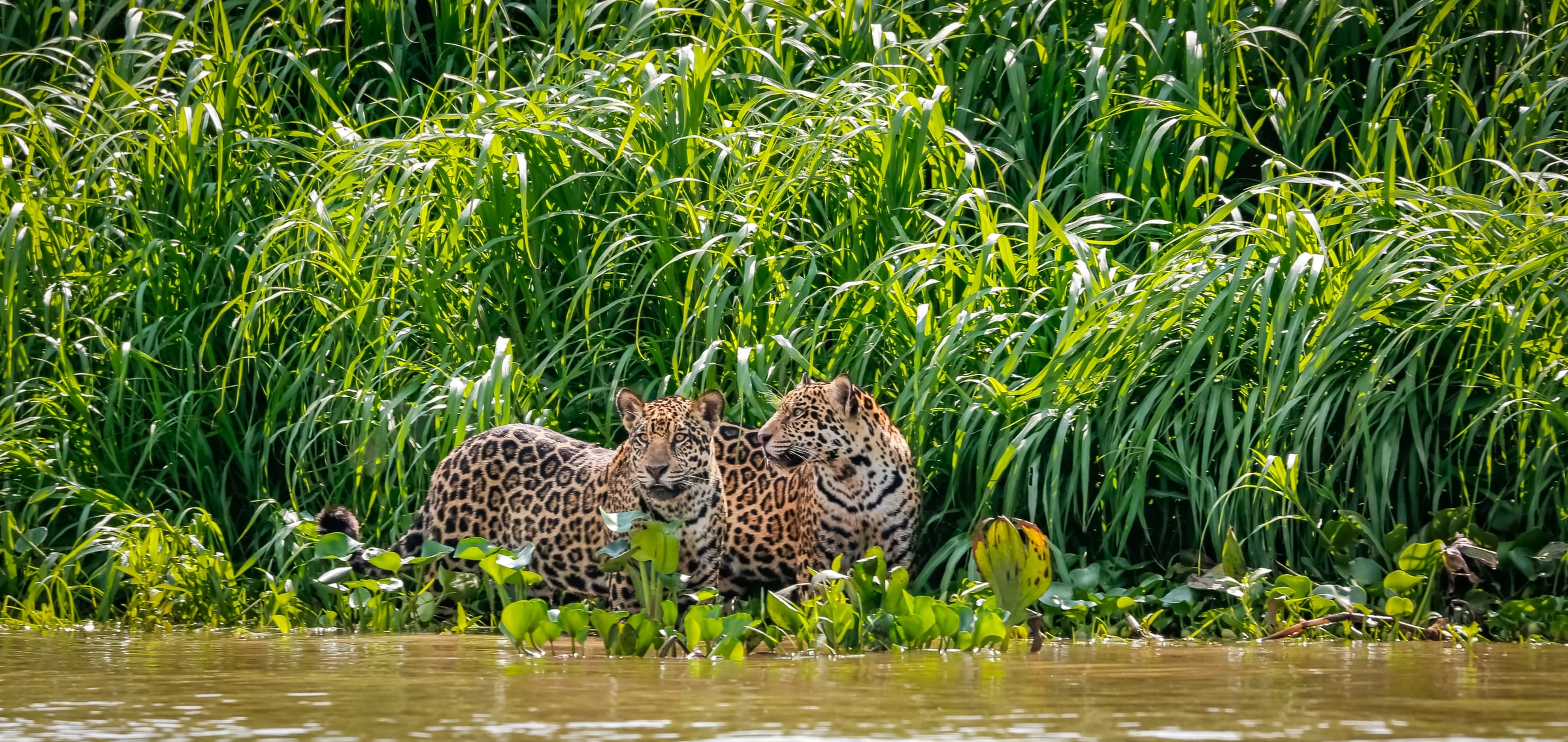
At one half the size of California, or nearly the size of all of the UK, the Pantanal is the world’s greatest stronghold for Jaguars, with 5,000-7,000 of the world’s 170,000 Jaguars living there. One 2.5-million-acre expanse of uninhabited, unhunted, ungrazed habitat along the north bank of the Cuiabá River between Porto Jofre and the confluence of the Cuiabá River and the even mightier Paraguay River represents the wild Pantanal as it was before humans even arrived to the Americas. In that huge piece of wild habitat, both Jaguars and their favorite prey species are at their maximum, natural equilibrium, something that is almost impossible to conceive of in what otherwise is a nearly-universally anthropogenic world.
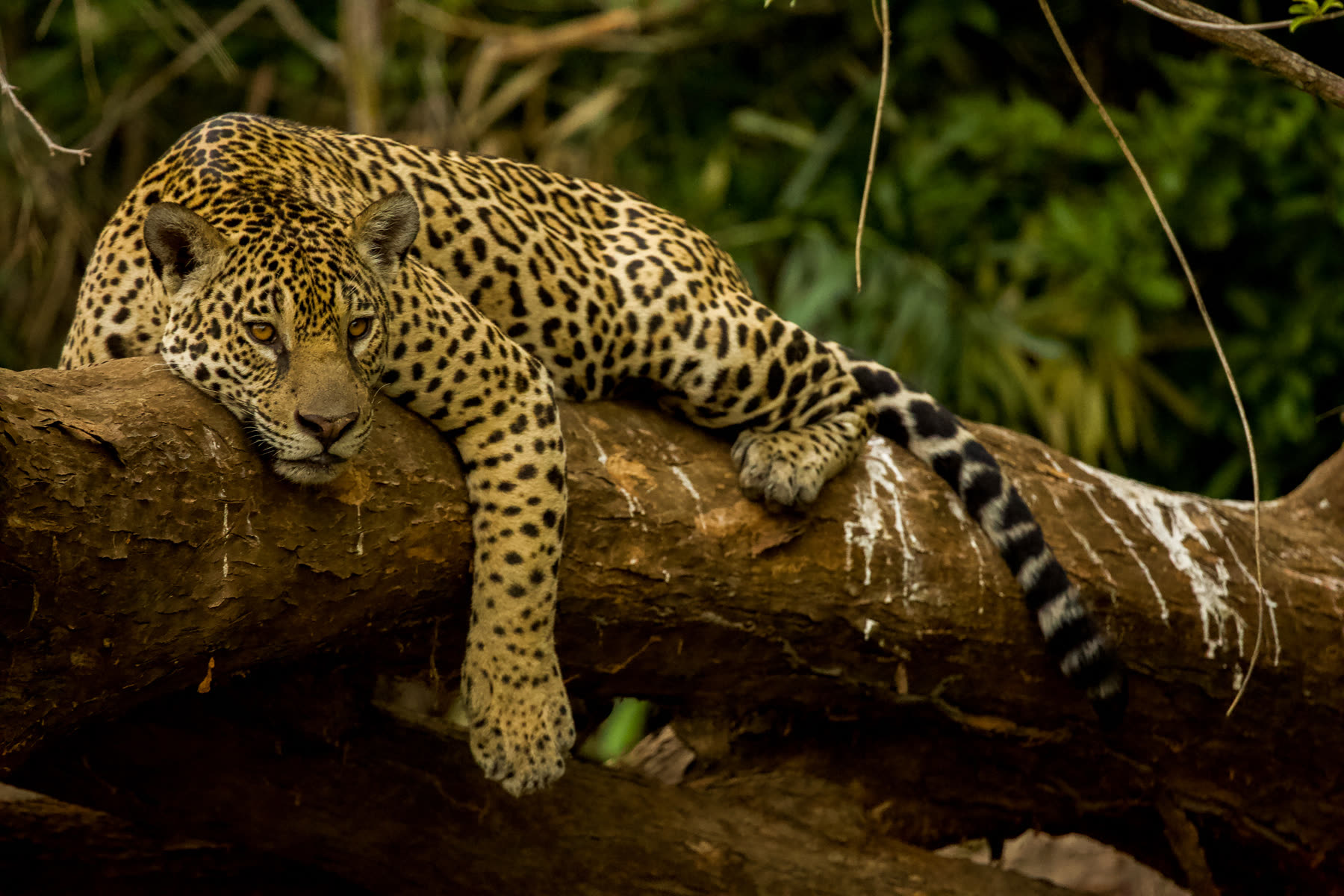
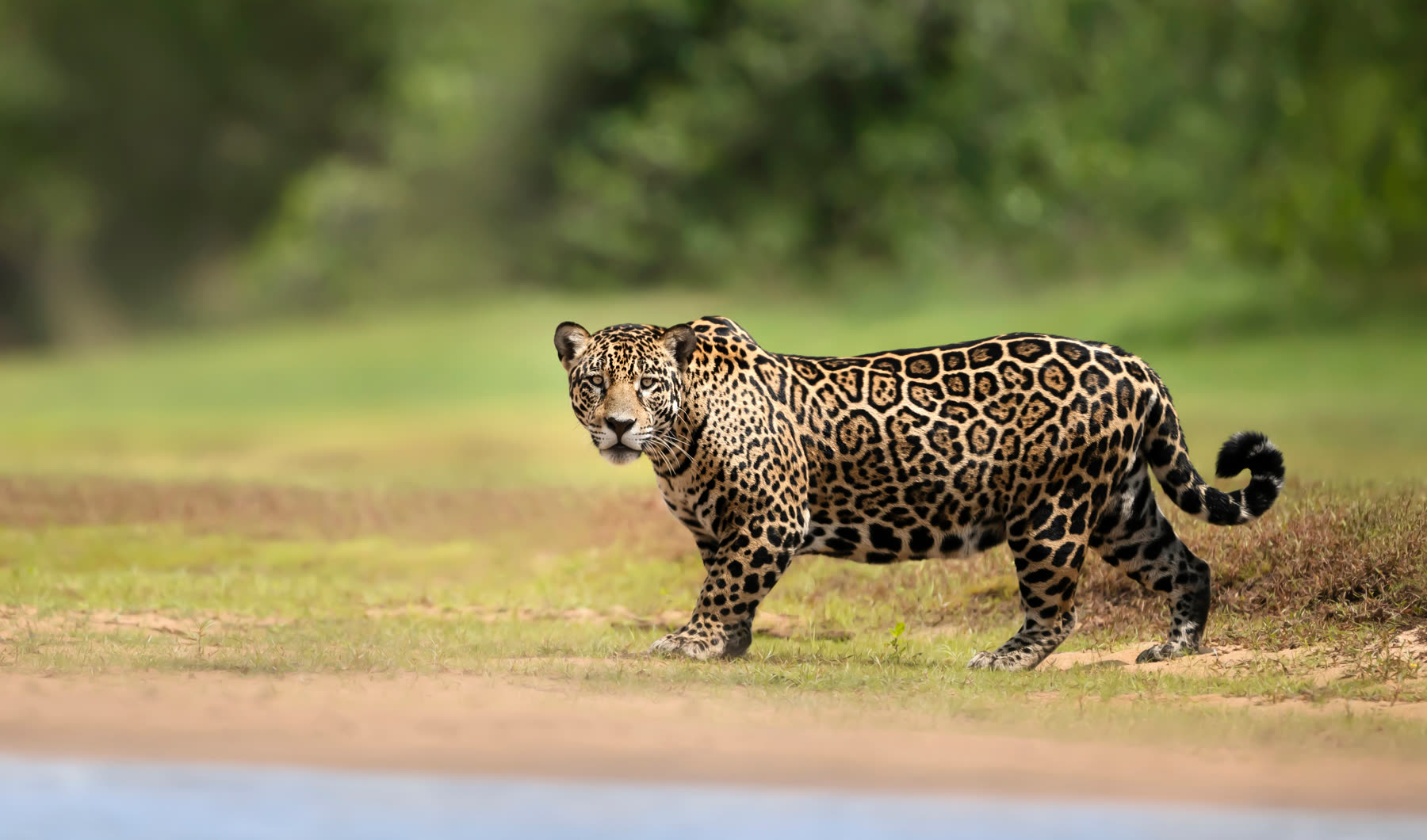
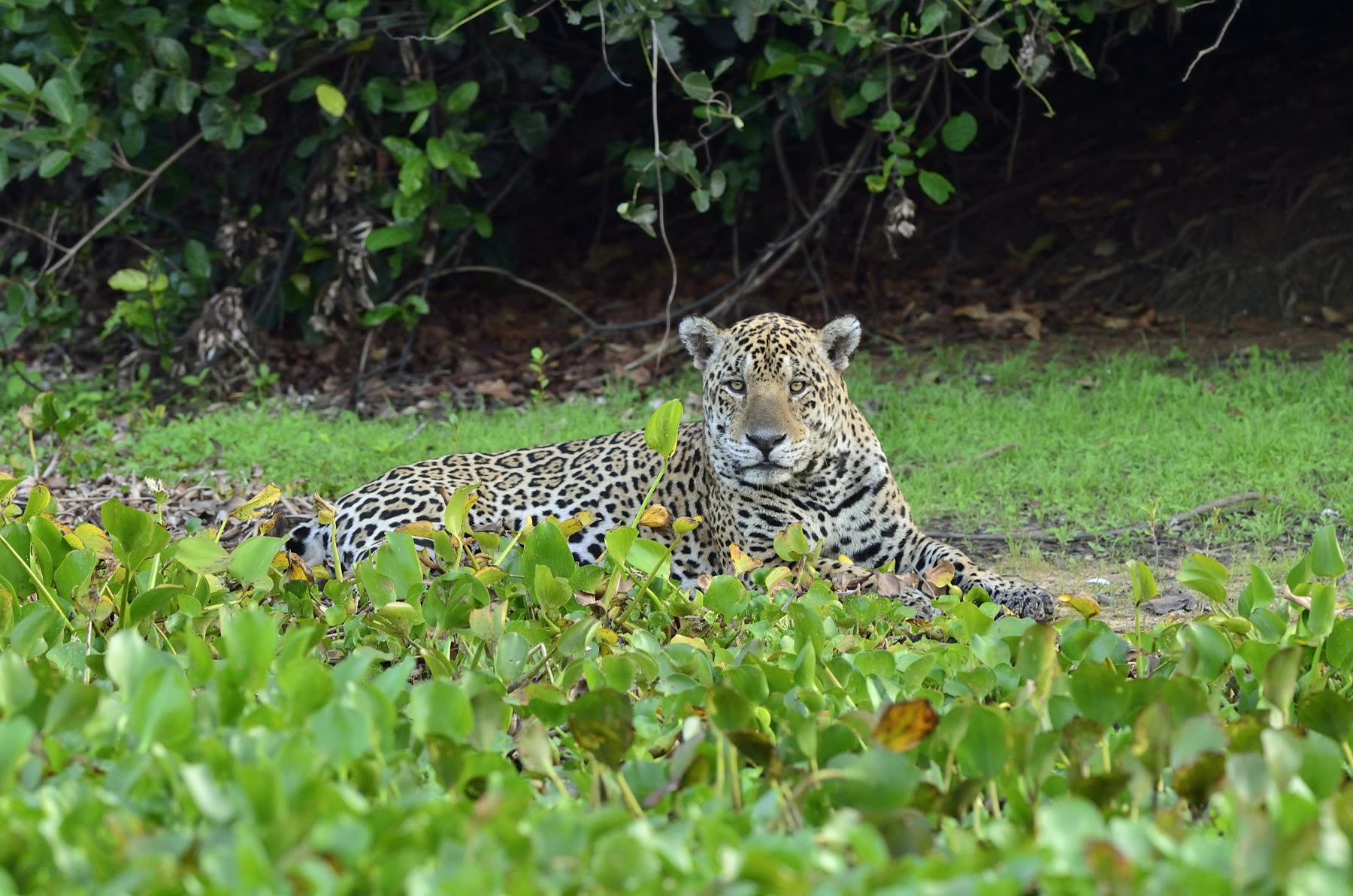
Jaguars are far more than the largest cats in the Americas. They are the ultimate symbol of wilderness, ecological balance, and the untamed spirit of the Pantanal. As apex predators, they play a fundamental role in maintaining the health of entire ecosystems, regulating prey populations and preserving the delicate equilibrium between species and habitats. Their presence is a powerful indicator of environmental integrity, reflecting the health and resilience of one of the planet’s last great natural spectacles.
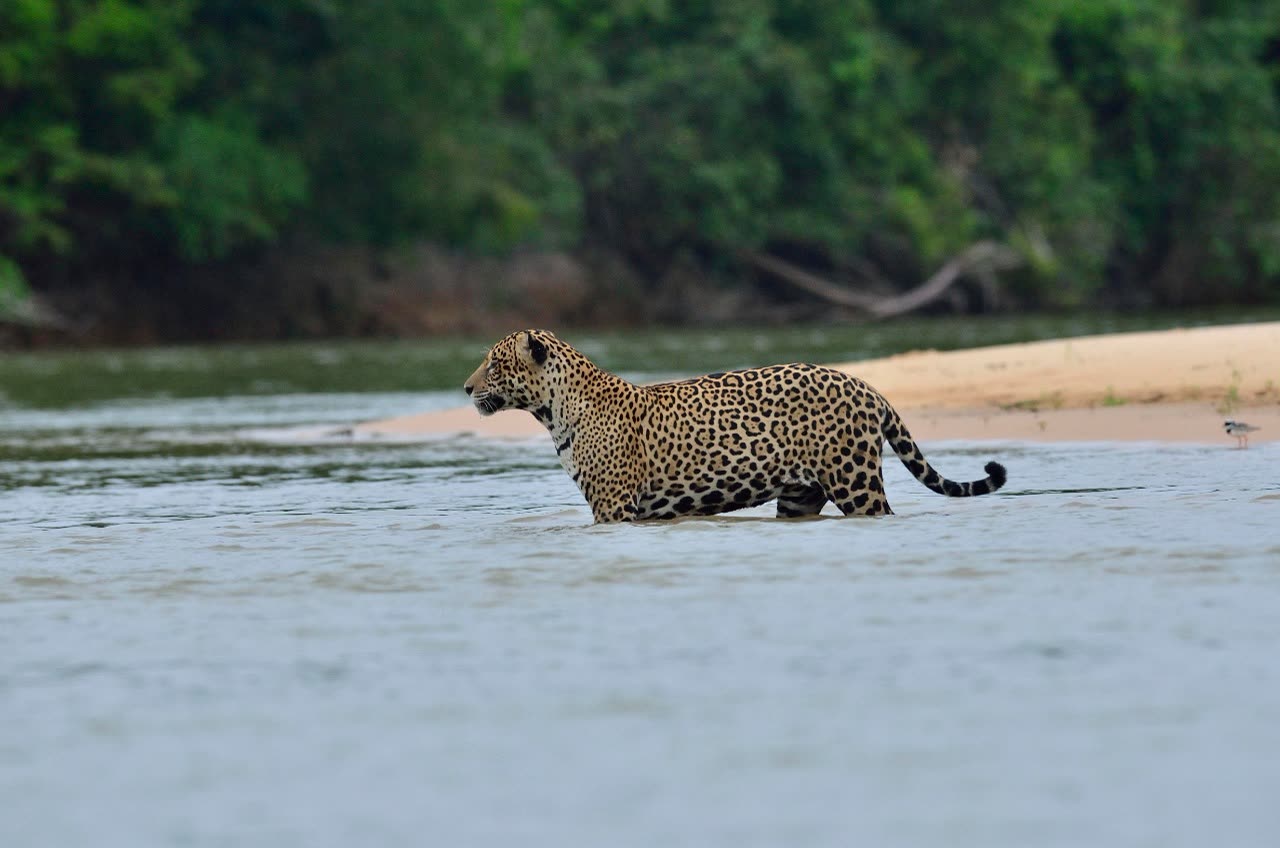
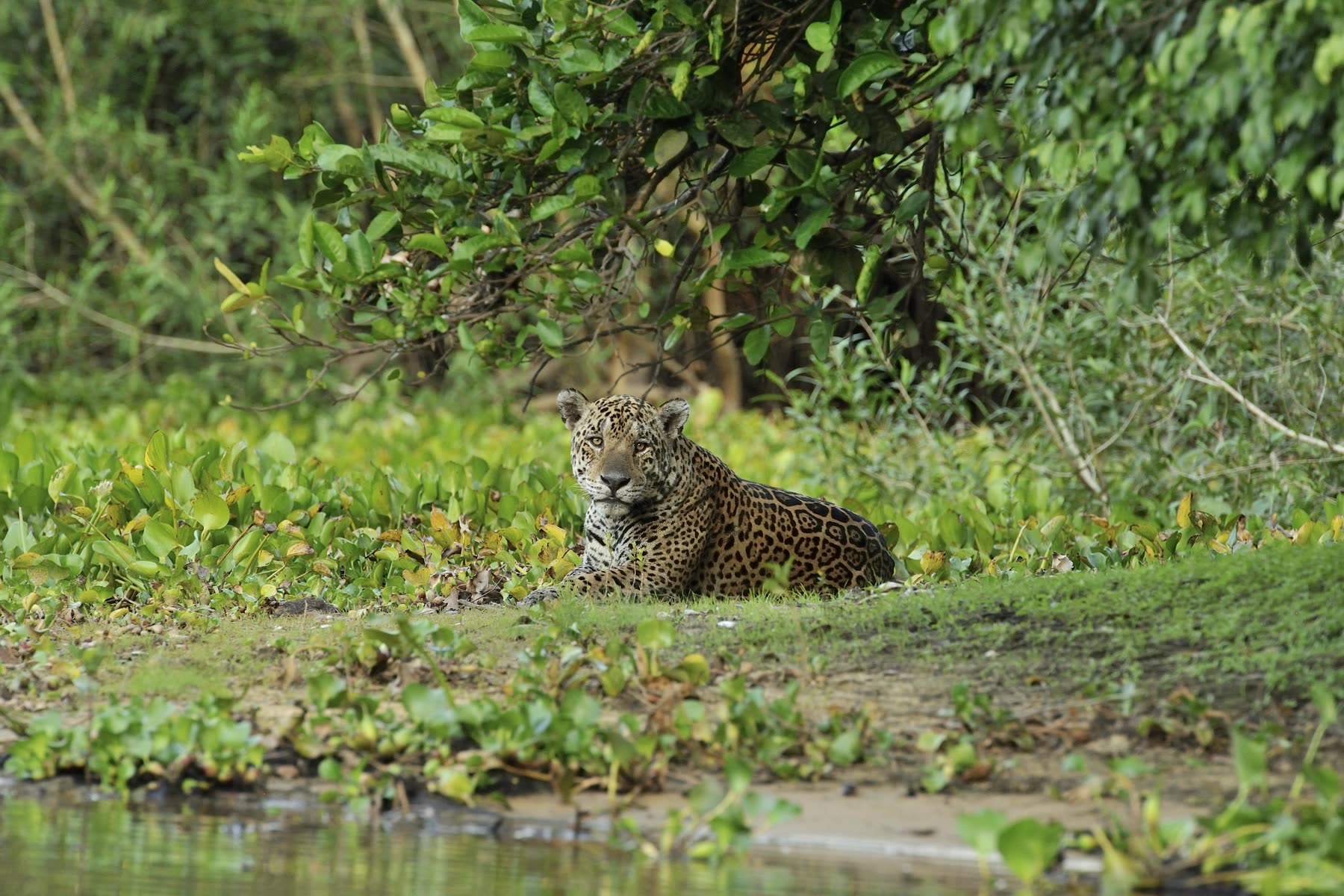
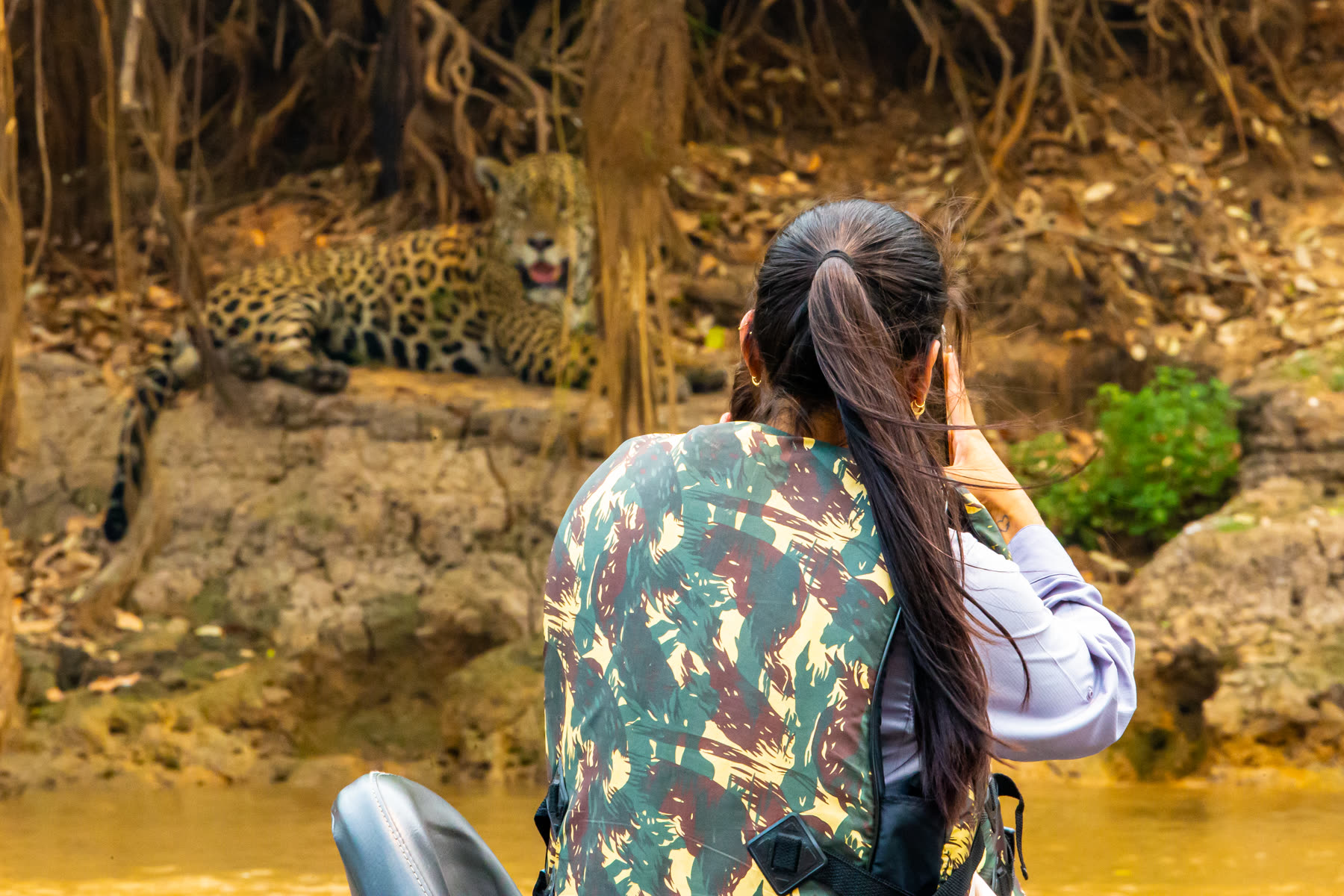
Beyond their ecological importance, Jaguars evoke something profoundly emotional in those fortunate enough to encounter them in the wild. Their beauty and hunting prowess makes Jaguars especially exciting to watch, for although they can give the false impression of being lethargic or bored, walking slowly or resting for hours on the riverbank, at the moment of truth, they display an explosion of bravery and raw power that leaves one astonished. Can you imagine making a living by jumping on what amounts to dinosaurs… (10-foot-long Paraguayan Caimans), and killing the dinosaurs in “Mission-Impossible-like” death rolls underwater as the big cats work to bite through the back of the caiman’s skull (the normal attack method). To spot one of the star Jaguars from “Jaguarland” silently emerge from the riverbank vegetation and then swim effortlessly across a remote channel is not simply a sighting. It is an encounter that is life-changing for gawking observers.
At SouthWild, we believe Jaguar tourism is one of the most effective conservation tools ever created because it transforms living Jaguars into infinitely more valuable assets than dead ones. The Jaguar is what we like to call “a weapon of mass conservation.” Responsible wildlife tourism creates sustainable economic incentives for conservation by generating income through photography, safaris, scientific research, storytelling, and environmental education. In doing so, it directly supports habitat protection, creates employment for local communities, and helps preserve the extraordinary biodiversity of the Pantanal.
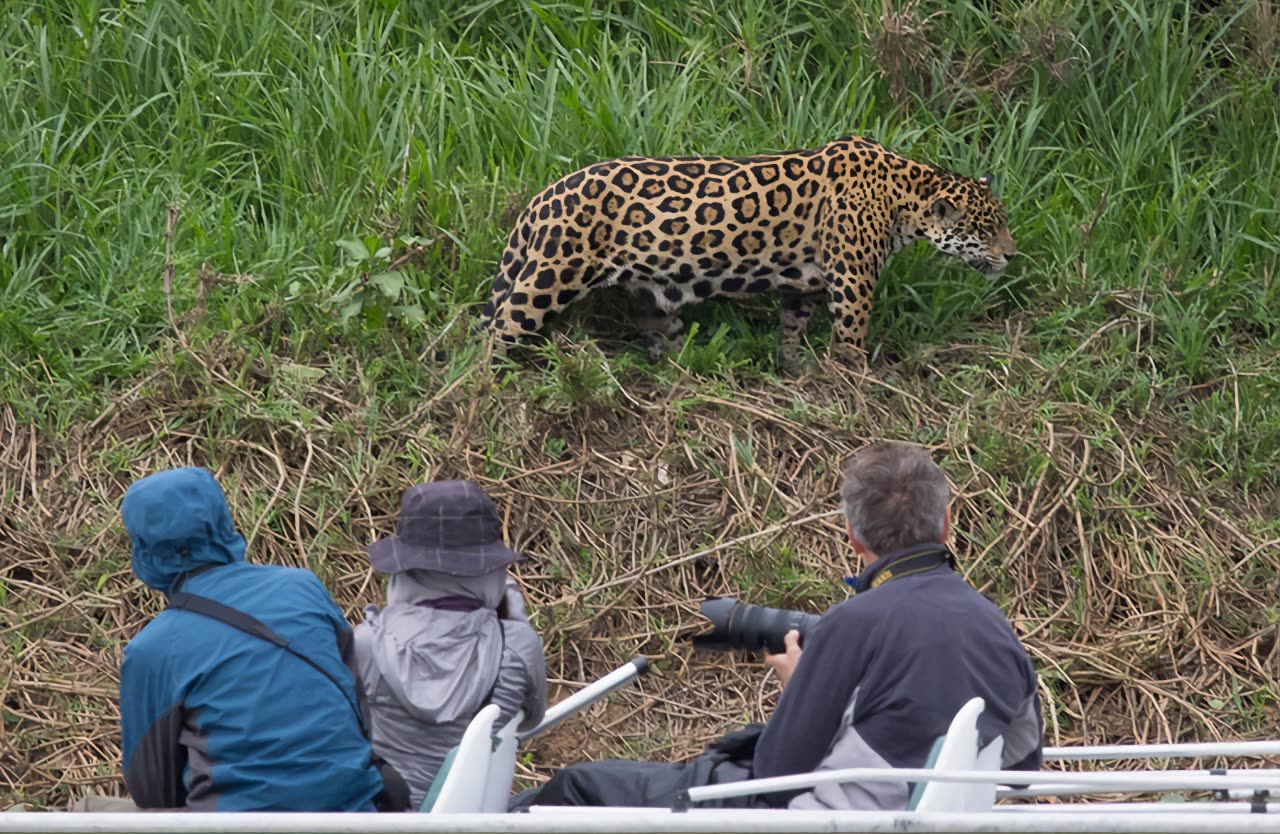
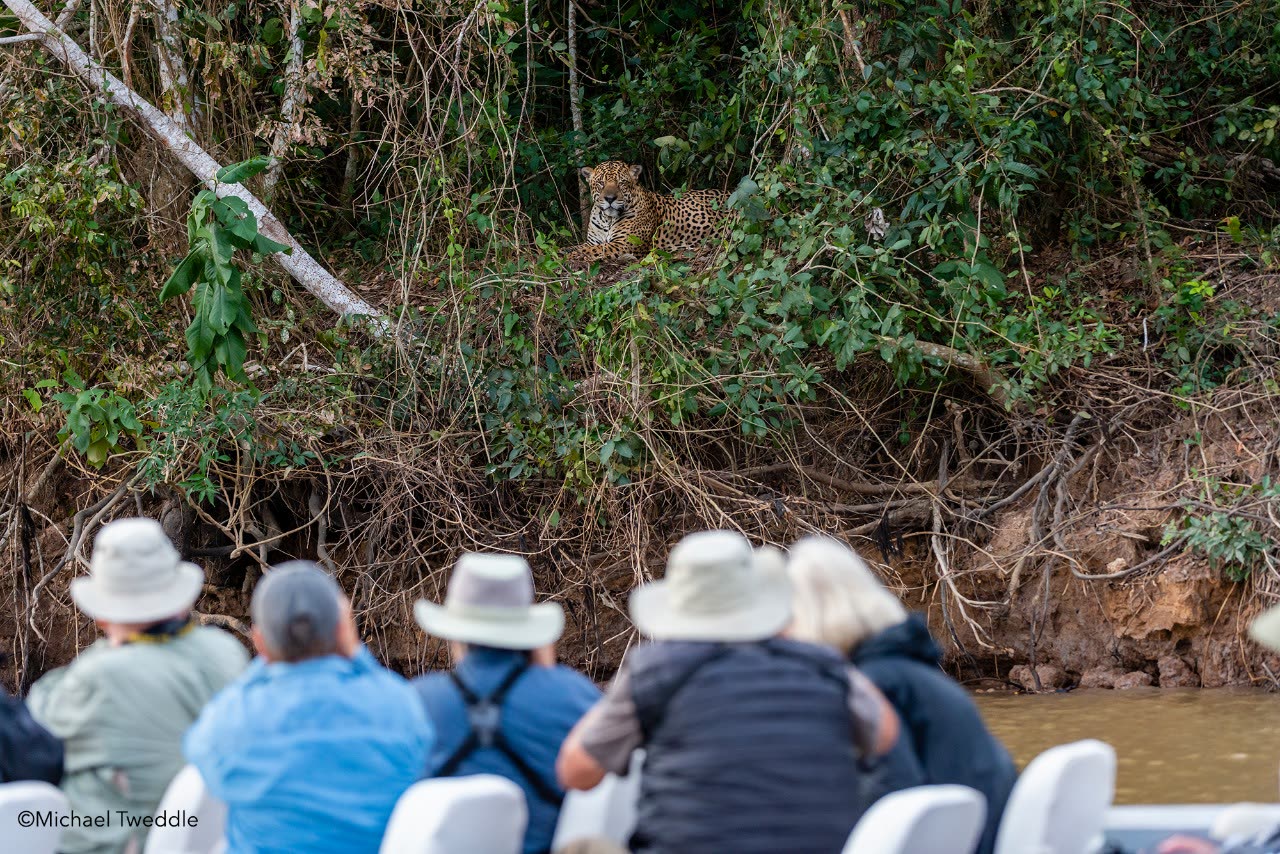
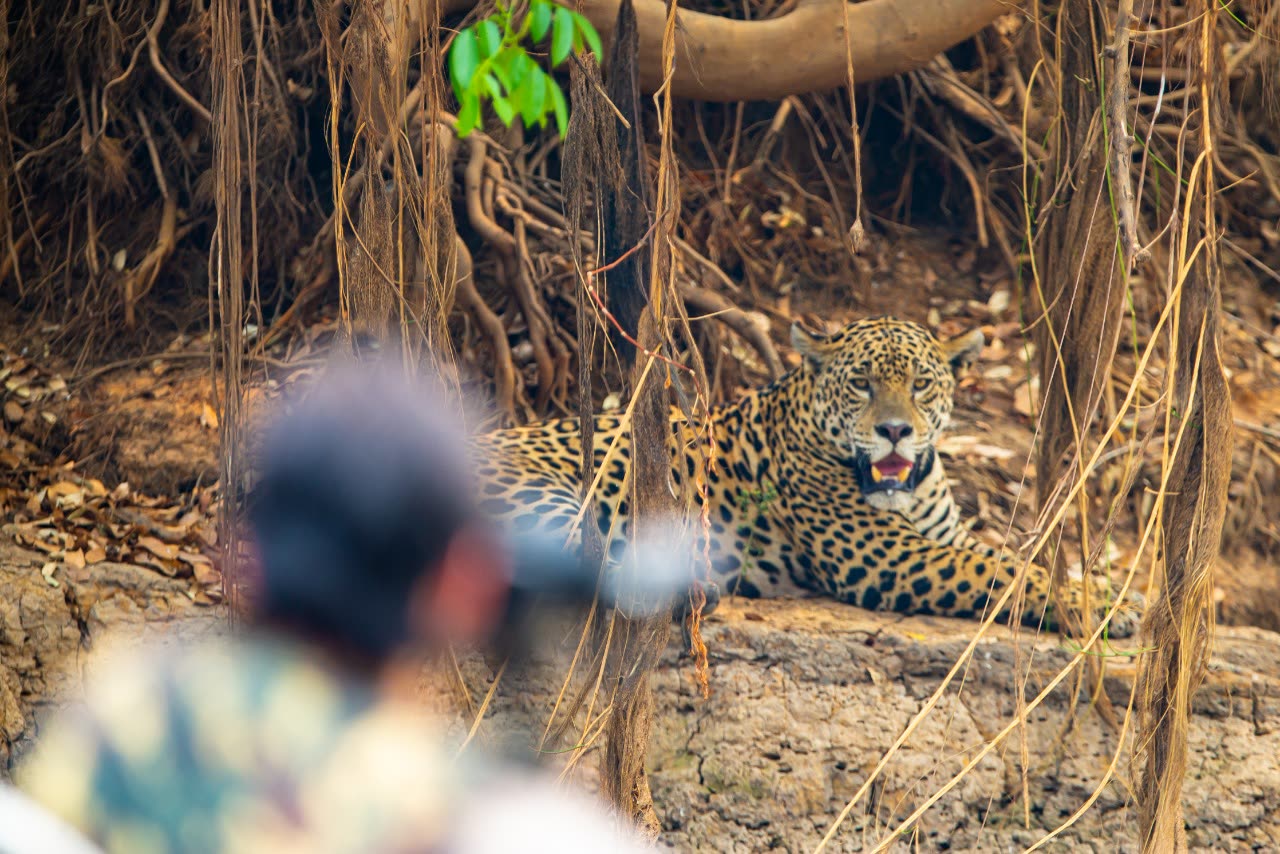
Over the past two decades, Jaguar tourism has played a transformative role in reshaping attitudes toward wildlife conservation in the region. Jaguars that were once feared or persecuted are now recognized as essential drivers of sustainable economic development. Through carefully managed ecotourism, the Pantanal has become by far the world’s greatest success story for wild Jaguar conservation. These magnificent cats are now more protected, more abundant, and 100 to 100,000 times easier to watch in selected parts of the Pantanal than in any other location on Earth.
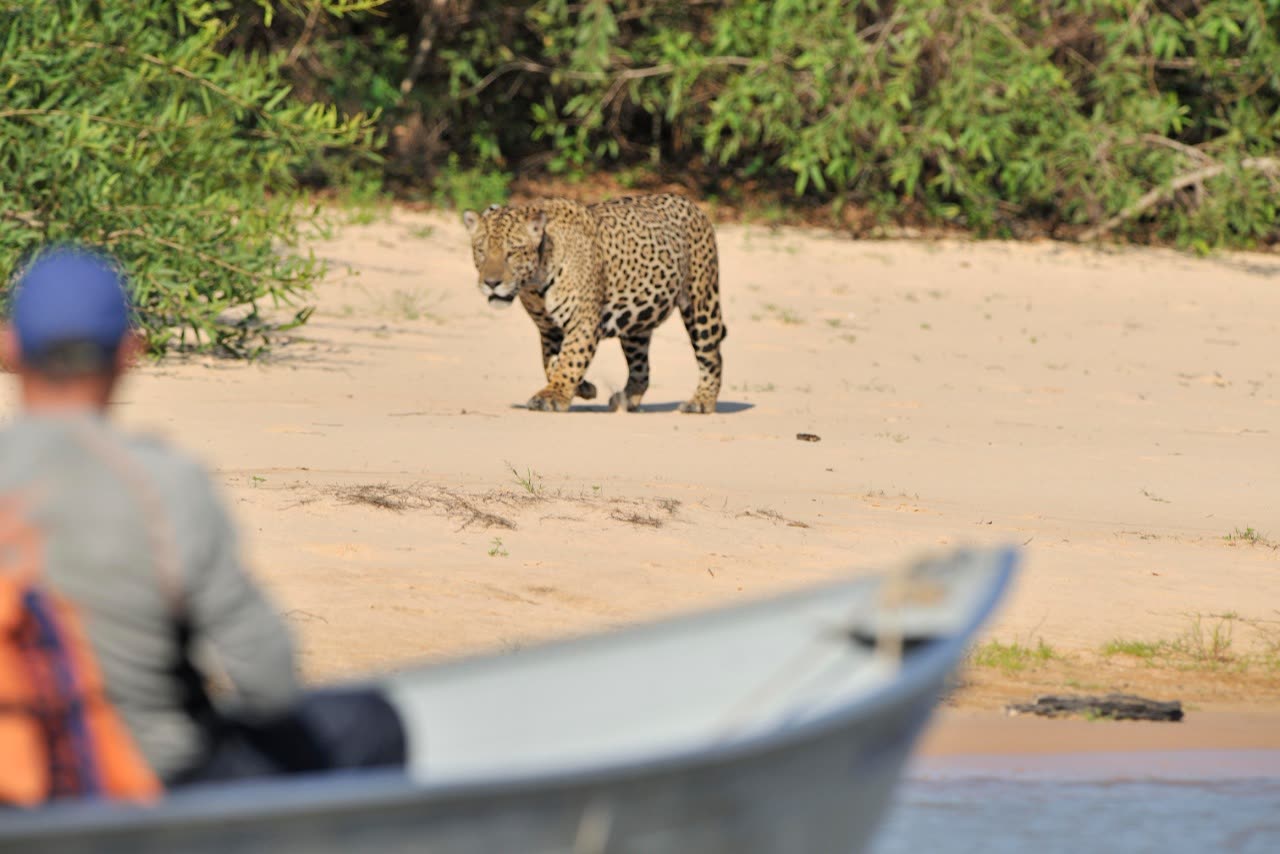
In the north-central Pantanal, starting in Porto Jofre and going upstream for 50 km on each of three rivers lies the now-legendary Jaguar hot spot that we call “Jaguarland,” unquestionably the finest place on the planet to observe Jaguars in their natural habitat. In 2004 through 2007, SouthWild pioneered Jaguar tourism here, and in 2005 became the first company to guarantee sightings of Jaguars. Then SouthWild added Giant Otters to the wildlife guarantee of Jaguarland. In 2008, Charles Munn coined the name “Jaguarland” for this specific set of rivers and interconnecting channels upstream from Porto Jofre. Jaguarland now represents 150 km of interconnecting rivers and river channels that in all, cover a mere one half of 1% of the entire Pantanal. Within Jaguarland live 70 Jaguars that have lost their fear of humans in motorboats, and each year since 2005, the Jaguars there have become tamer and tamer and easier and easier to observe.
SouthWild owns and protects 7,600 acres (12 square miles, or 31 square km) of the ecological heart of Jaguarland through its Private Jaguar Reserve, encompassing critical waterways including much of the lower Three Brothers River and the entire Black Channel. These pristine river systems have become globally renowned for intimate and consistent Jaguar encounters, offering photographers and wildlife enthusiasts unprecedented opportunities to observe these otherwise-elusive cats behaving naturally at close range in the daytime.
Strategically positioned within the most productive wildlife regions of the Pantanal, SouthWild Pantanal Lodge, Porto Jofre Pantanal Lodge, SouthWild Flotel & Jaguar Suites, and the exclusive Naturezas Ship provide unparalleled access to Jaguars, Giant Otters, Brazilian Tapirs, and Ocelots in one of the richest ecosystems on Earth. SouthWild was and still is the only company in history that guarantees sightings of all four of these iconic species.
Located at the gateway to Jaguarland, Porto Jofre Pantanal Lodge and its associated 130 acres of forest serves as the most wildlife-rich riverbank base for exploring the Jaguar-rich channels of Jaguarland, namely the Cuiabá, Three Brothers, and Piquiri Rivers, where Jaguar encounters have become world-famous. Combining air-conditioned comfort, efficient logistics, and immediate access to prime wildlife habitat, the lodge offers guests a deeply immersive safari experience in the very heart of the Pantanal. Two of the 16 guest rooms at PJP are the ginormous Imperial Suites, each of which has its own plunge pool. These two guest rooms are the most spacious and best-equipped guest rooms in the history of the Pantanal.
Complementing the land-based experience, the Naturezas Ship introduces a new level of exclusivity and mobility for wildlife expeditions in the Pantanal. Designed for comfort, privacy, and complete immersion in nature, the vessel allows travelers almost instantaneous access to the most Jaguar-rich side channels of Jaguarland. The ship normally is anchored only a five-minute boat ride from the 2-km-long, 30-m-wide Black Channel, which offers unique views of the only three Jaguars in history known regularly to hunt caimans by climbing 5-8 meters up into trees that overhang the water and diving like Batman onto unsuspecting caimans. SouthWild owns 100% of the forests and fields along the banks of the Black Channel as well as the vast bulk of the lowest 40 curves of the Three Brothers River. Combined, these lands represent 90% of the finest Jaguar viewing habitat in Jaguarland and 60% of all the best Jaguar-viewing habitat in the world.
The floating Jaguar Suites represent a pioneering achievement in wilderness hospitality, spacious, air-conditioned accommodations positioned within the wildest Jaguar habitat along the remote Piquiri River. This innovative concept allows guests to remain immersed in prime wildlife territory at all times, maximizing opportunities for extraordinary sightings while maintaining exceptional comfort, privacy, and safety.
A SouthWild Jaguar expedition is far more than a wildlife safari. It is a deeply immersive journey into one of the last great wildernesses on Earth, where conservation, photography, exploration, scientific understanding, and authentic human connection with nature come together in truly unforgettable and transformative ways.